 Follow a
  See our
  View our
 Download the
7 October 2025
Making clean cooking accessible in urban informal settlements in Uganda: SMEs scale modern cooking to 40 000 people in hard-to-reach communities


Uganda’s cities are growing rapidly, at about 5% a year. Today, 35% of the country’s population lives in urban areas, and 70% of these residents live in informal settlements. In the Greater Kampala Metropolitan Area (GKMA), this means more than 4 million people live in hard-to-reach communities where energy access remains out of reach (UBOS, National Census 2024). For 92% of households, the daily reality of cooking is still defined by firewood, charcoal, and smoke-filled kitchens (Clean Cooking Alliance and ICLEI Africa, 2023).
These hard-to-reach communities face the highest exposure to climate and health risks and should remain a priority for development aid, particularly at a time when global funding is under pressure. Investments in clean cooking here deliver some of the highest returns on every pound spent, generating measurable benefits across multiple dimensions of development:
- In Kampala, long-term exposure to fine particulate matter (PM2.5) was linked to more than 7,200 deaths between 2018 and 2021 (Makerere University School of Public Health, 2024).
- Across Uganda, household air pollution causes about 28,000 deaths each year (World Economic Forum, 2022).
- Families spend up to 50% of their discretionary income and more than 5 hours each day collecting or purchasing cooking fuel (National Planning Authority, Fourth National Development Plan, 2024).
In Uganda’s informal settlements, these challenges are compounded by climate vulnerability, poverty, population density, and weak infrastructure. Affordability, unreliable electricity, and limited consumer awareness continue to constrain the shift toward modern cooking. In such contexts, programmes like Enabling Cities for Transformative Energy Access (ENACT) are essential because they take a technology-agnostic approach, supporting a mix of higher-tier clean cooking solutions that match local realities. Focusing only on electric cooking in areas with unreliable power is neither practical nor equitable. Instead, ENACT supports a portfolio of technologies and business models that expand choice for households, strengthen energy resilience, and ensure that no community is left behind in the transition to modern cooking.
ENACT is addressing these barriers across six informal settlements in Uganda: Kisenyi, Banda, Kirinya, Nansana East, Nakulabye-Kasubi, and Bwaise, which together account for about 35% of the GKMA’s population.
Funded by the UK Foreign, Commonwealth & Development Office (FCDO) through the Transforming Energy Access (TEA) platform and implemented by ICLEI Africa, ENACTUS works with the Ministry of Energy and Mineral Development (MEMD), the Kampala Capital City Authority (KCCA), and municipalities across the GKMA. ENACT connects national ambition with local delivery and demonstrates that inclusive clean cooking markets can take root, even in hard-to-reach communities.
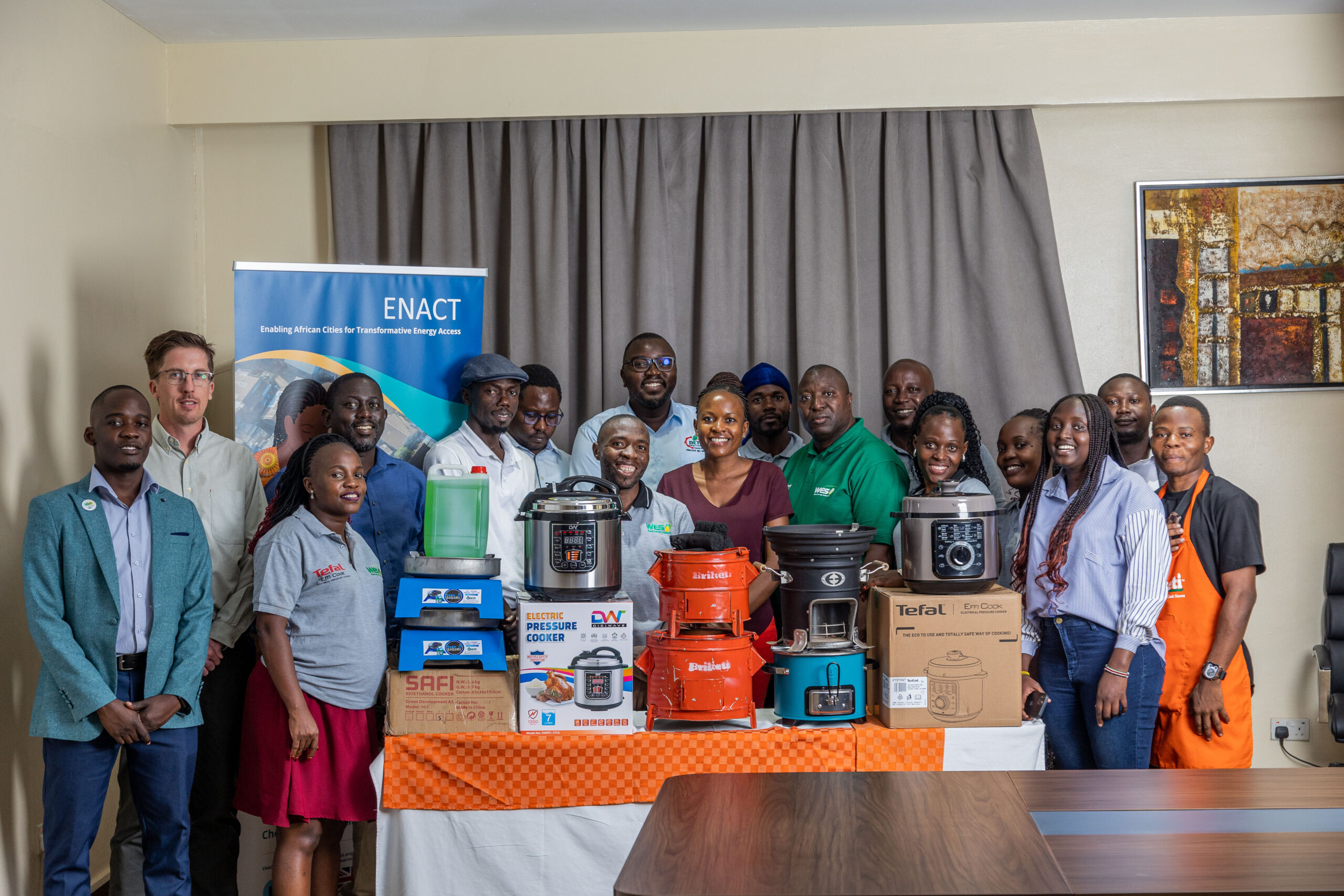
ENACT does this by:
- Enabling SMEs to reach underserved markets, providing modern cooking solutions to 30,000 people.
- Turning political will into local delivery by working with 10 urban authorities across the GKMA.
- Generating evidence for behavioural change and scale through awareness campaigns and local media, in close collaboration with the Clean Cooking Unit at the Ministry of Energy and Mineral Development. Insights from this work are informing national efforts and can be harnessed to scale effective approaches across Uganda, ensuring that behavioural change interventions complement policy, market, and financing frameworks.
1. Enabling SMEs to enter underserved markets
Clean cooking transitions cannot succeed without the private sector. To make modern cooking accessible in urban informal settlements across the GKMA, ENACT is supporting five Ugandan SMEs to expand their reach and develop viable business models for low-income consumers. In most informal settlements, access to clean cooking technologies remains limited because companies lack the resources, incentives, and market insight to operate in these complex environments. This is particularly significant given that informal settlements often house 70–80% of the population in African cities, making them central to any effort to achieve inclusive and sustainable urban energy transitions.
ICLEI Africa, through the ENACT SME incubation programme, works with promising SMEs to:
- Deliver hands-on technical assistance that blends the best of venture-building with on-ground market insight, enabling SMEs to scale and attract follow-on investment.
- Provide strategic business guidance and build internal capacity to close persistent research and development gaps.
- De-risk emerging business models, including consumer affordability solutions and carbon finance, while improving profitability.
Provide robust baseline data through a household survey covering an area of over 250,000 households, to model the positive impacts of clean cooking transition scenarios. Unlike many technology-based interventions that have failed by overlooking local realities and lived contexts, ENACT grounds its approach in evidence and local insight—ensuring that every intervention is contextually relevant, responsive, and designed to deliver lasting impact.
Through catalytic grant funding and targeted technical assistance, ENACT is supporting these SMEs to pilot innovative approaches that reflect the realities of underserved urban households, where affordability and awareness remain the biggest barriers to adoption. The following SMEs are receiving incubation support and catalytical grant funding from ENACT:
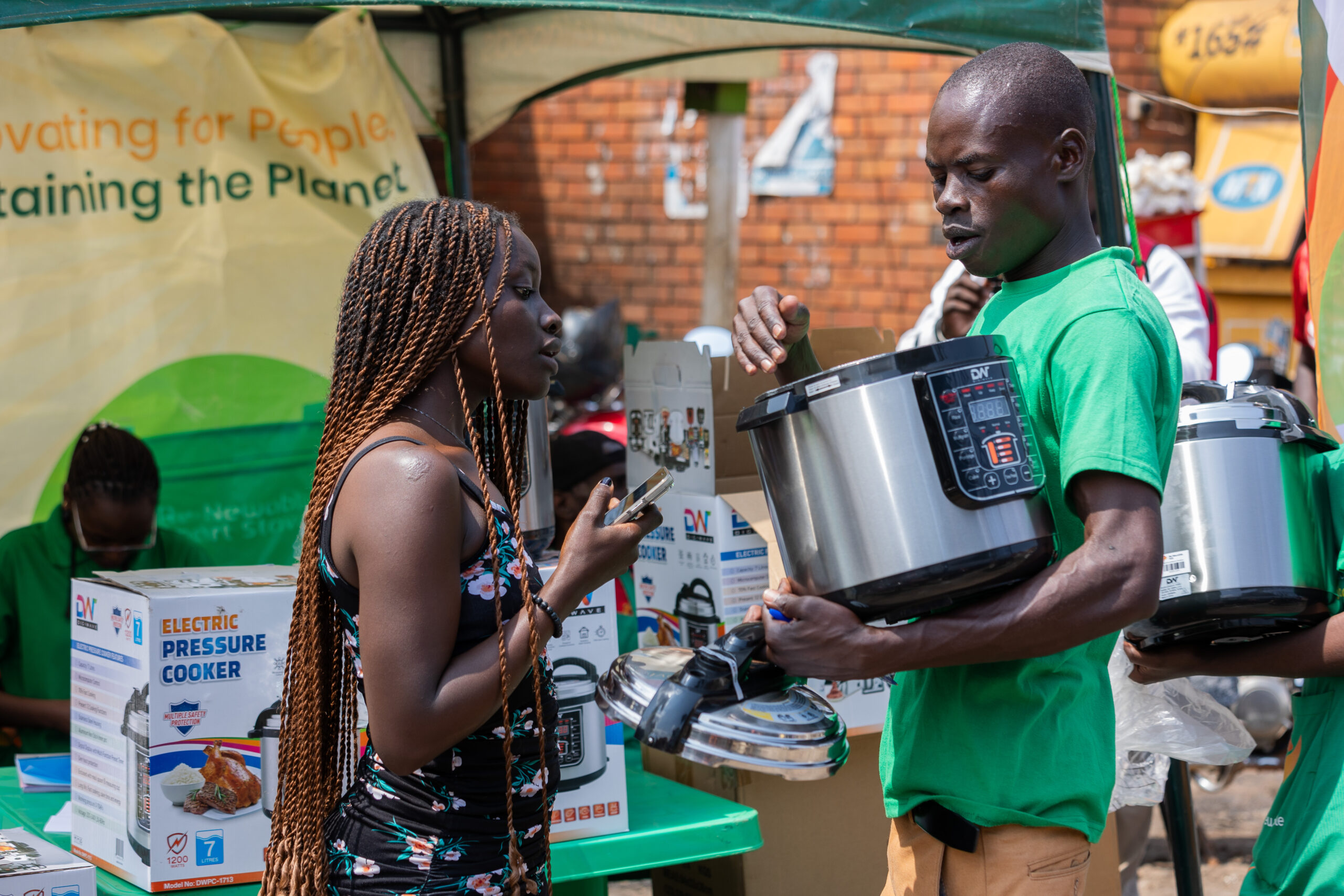
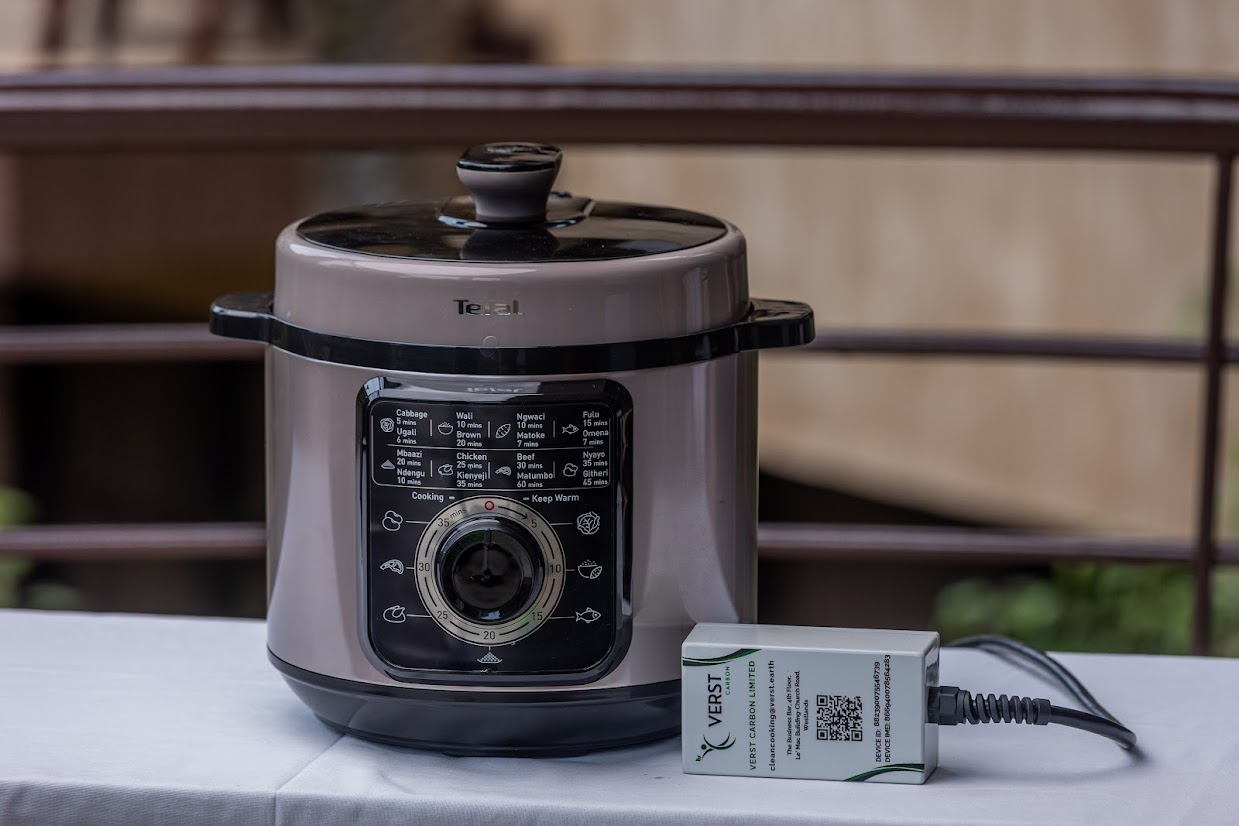
- WANA Energy Solutions, in partnership with Verst Carbon, is deploying 500 Pay-As-You-Go(PAYGO)-enabled EPCs. These devices (see photo on the right) are being retrofitted with printed circuit boards that enable PAYGO functionality, allowing consumers to purchase them through small, flexible payments. The embedded smart technology also allows for remote monitoring of electricity use, which serves the dual purpose of supporting user-responsive deployment, and generating the verifiable emissions data needed to qualify for carbon credits. This usage data is essential for accessing carbon finance, as it underpins robust measurement, reporting and verification of the climate benefits associated with clean cooking. By linking device usage with verifiable emissions reductions, this pilot project strengthens the business case for scaling up clean cooking solutions through carbon markets, unlocking additional finance to lower consumer costs and increase reach.
- Green Bio Energy (GBE)
- Detra Energy and Engineering Contractors and Arem Energy Solutions are partnering with fintech startup EnerGrow to provide flexible financing that helps low-income consumers access clean cooking solutions.
- Renewable Hub has been working with Village Health Teams as trusted, community-based agents of change to bridge the awareness gap.
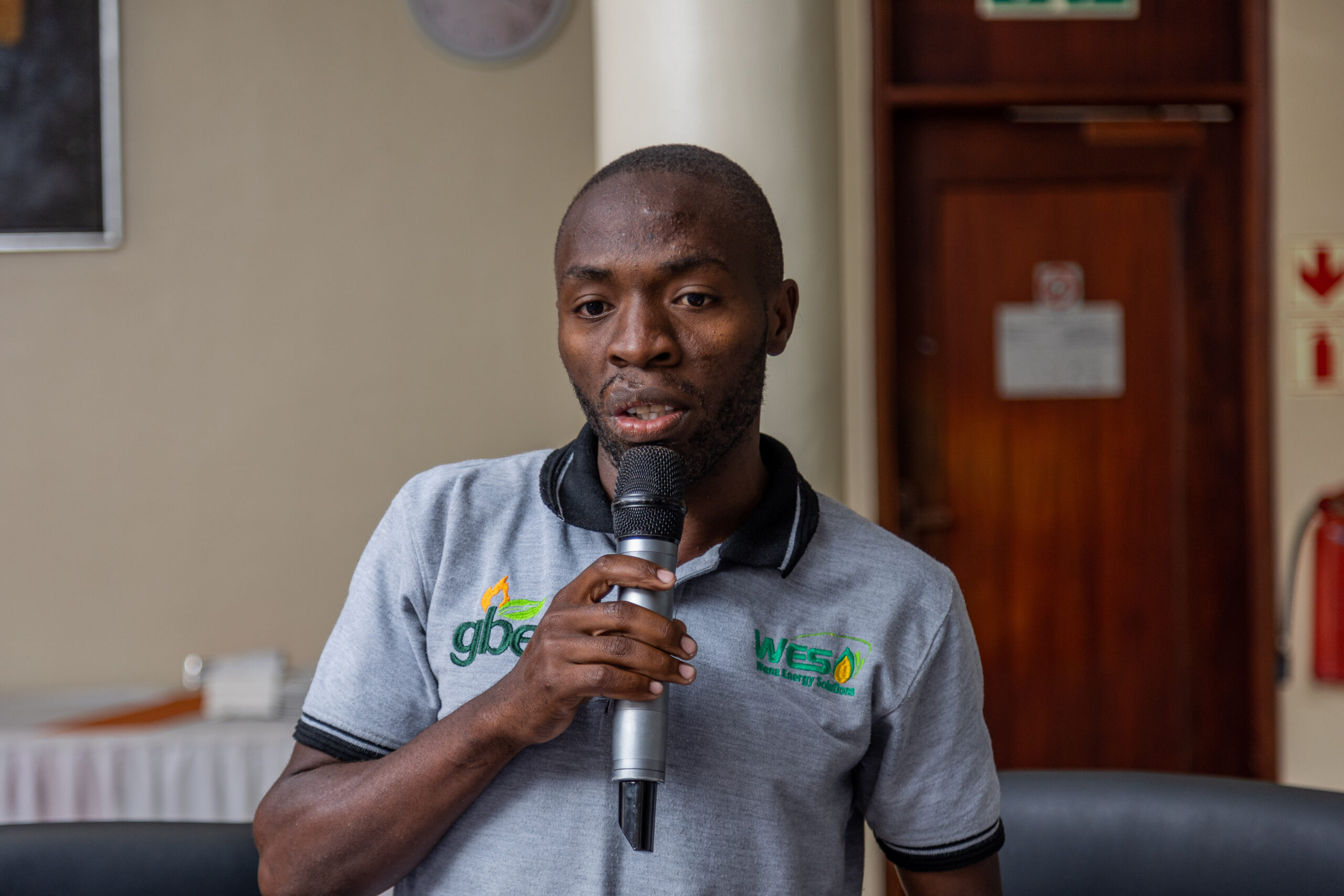
“ Support from ENACT derisks the upfront investment of going into underserved communities. ENACT creates the linkage and allows us to introduce technologies and processes at the political level, which goes a long way in strengthening political will – critical to the clean cooking transition.”
— Ziwa Hillington, Managing Director, Green Bio Energy (GBE) (Wana Solutions and GBE form a consortium being supported under ENACT)
2. Turning political will into delivery
The Ugandan Government, as part of its National Development Plan IV (NDP IV), aims to increase the share of clean energy used for cooking from 25% in FY2023/24 to 50% in FY 2029/30. This won’t be possible without local government, as the tier of government closest to the people, supporting implementation on the ground. ICLEI Africa, drawing on 30+ years of experience enabling positive impact with subnational governments in Africa, is strengthening public sector capacity to turn national commitments into local delivery by assisting subnational governments in delivering their true potential as clean cooking champions.
Working directly with Uganda’s Ministry of Energy and Mineral Development Clean Cooking Unit, ENACT is strengthening subnational governments’ readiness and ability to integrate clean cooking into their strategic plans. This is key to ensuring national policies are effectively implemented at the local level. ENACT is working with over 10 urban authorities* and municipalities from across the Greater Kampala Metropolitan Area.
*Kampala Central Division, Nakawa Division, Rubaga Division, Kawempe Division, Makindye Division, Kira Municipality, Nansana Municipality, Entebbe Municipality, Mpigi District Local Government, and Mukono District Local Government.
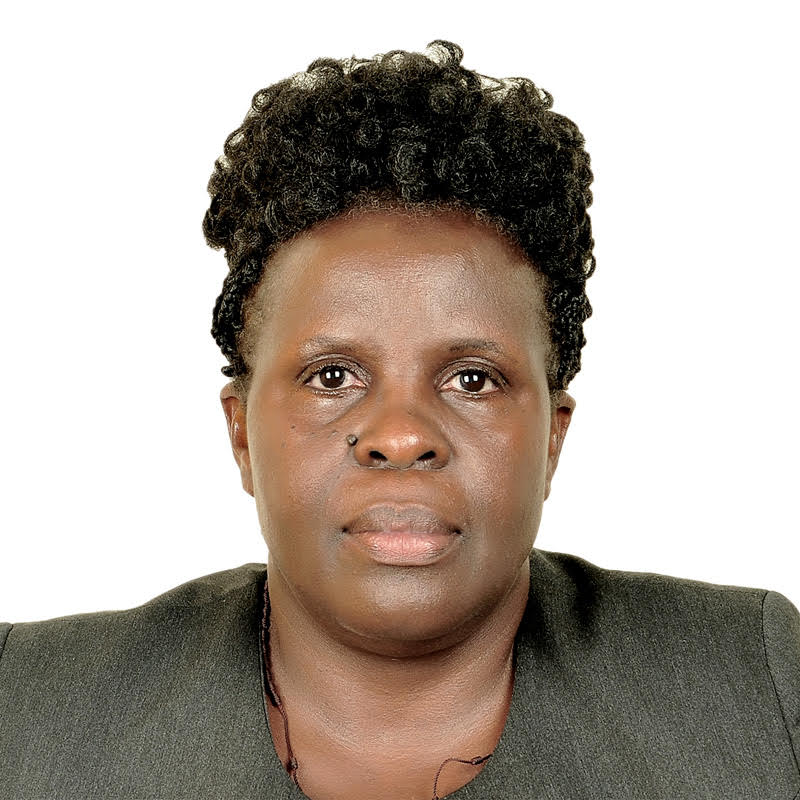
“ When I speak to the households that ENACT has reached in Nansana, especially the low income earners, they tell me how they have benefitted in saving. A sack of charcoal lasts about 4 weeks but when these households took on an improved cookstove, they saw the benefits. They have changed their attitude and behaviour towards clean cooking stoves and are sharing their experiences with fellow community members. This has been one of the milestones in our communities. ”
— Her Worship Regina Bakitte Nakkazzi Musoke, Mayor of Nansana Municipality and ICLEI Africa Regional Executive Committee member
3. Generating evidence for behavioural change and scale
Adoption depends on how people cook, what they can afford, and who they trust. To close this gap, the ENACT is embedding a behavioural research and monitoring framework, ensuring that every intervention generates evidence to inform future behavioural communications, engagement, and demonstration efforts.
In partnership with ACTogether, a market access partner, ENACT is studying how affordability, reliability, and social norms shape cooking decisions in low-income households. This includes analysing consumer repayment patterns, household energy use, and the behavioural factors that determine sustained adoption of modern cooking technologies.
A key innovation supported under ENACT is the integration of Internet of Things (IoT) enabled monitoring within electric pressure cooker (EPC) pilots implemented in partnership with WANA Energy Solutions and Verst Carbon. These smart devices capture real-time usage data, providing detailed insights into how often and for what types of meals the stoves are used. The same data underpin accurate measurement, reporting, and verification of emission reductions, an essential step for accessing carbon credit markets and strengthening the financial sustainability of clean cooking initiatives.
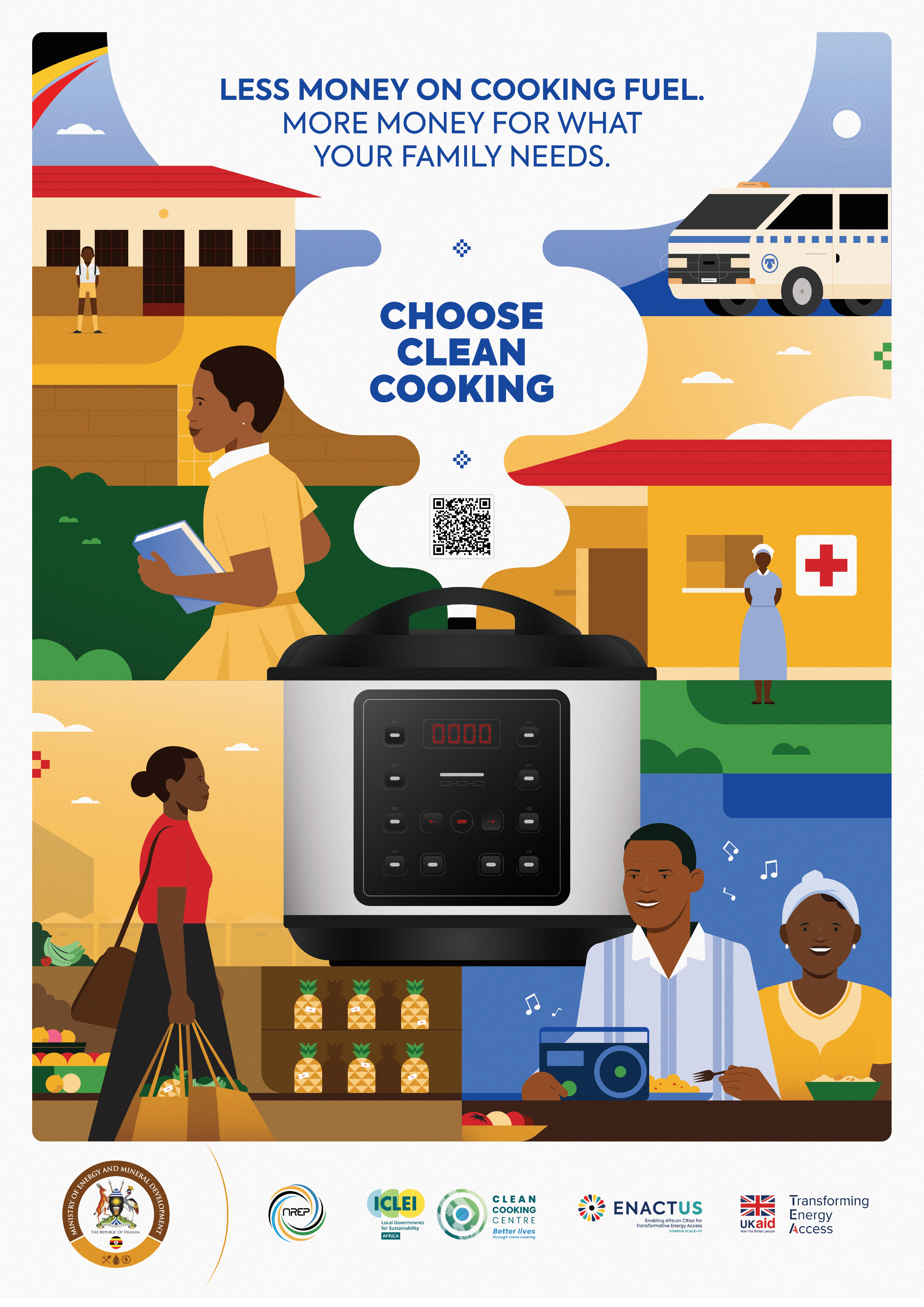
Building on successful awareness campaigns to date, and in partnership with the Ministry of Energy and Mineral Development, the National Renewable Energy Platform (NREP), and users, ENACT is co-developing awareness materials that reflect real cooking habits, see an example on the right. These materials are available in English and Luganda and can be accessed here. ENACT is also working with local radio stations to share clean cooking messages in languages and formats that resonate with households, helping to build awareness, trust, and long-term behavioural change.
ICLEI Africa is committed to expanding this transformative work via the ICLEI Africa Clean Cooking Centre and invites partners, stakeholders, and global citizens to join the journey toward universal access to clean cooking, for all.