
 Follow a
  See our
  View our
 Download the
17 December 2025
Driving an inclusive e-mobility transition in Rwanda

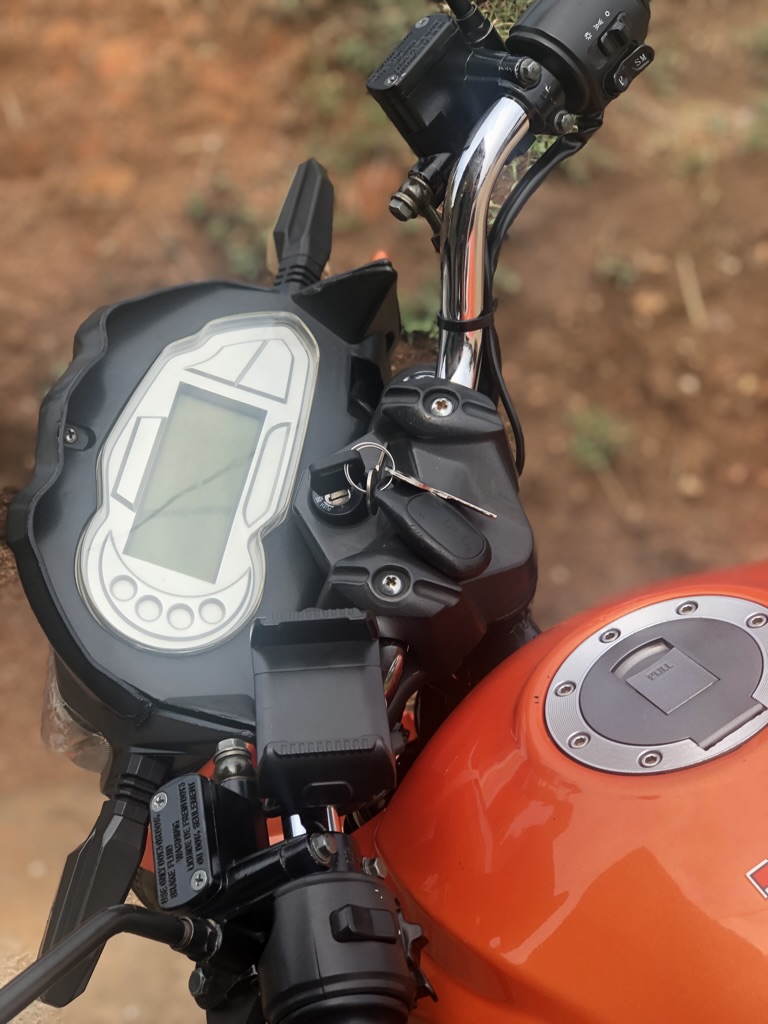

The transition to electric mobility presents both opportunities and challenges for Rwanda’s inclusive development agenda. While the electric motorcycle (e-moto) sector is rapidly growing as a pillar of the green economy, women and other marginalised groups remain largely excluded due to financial, cultural, and institutional barriers. Hearing directly from women moto taxi drivers is key to understanding the real-world barriers they face, and ensuring that solutions are practical, targeted, and truly inclusive.
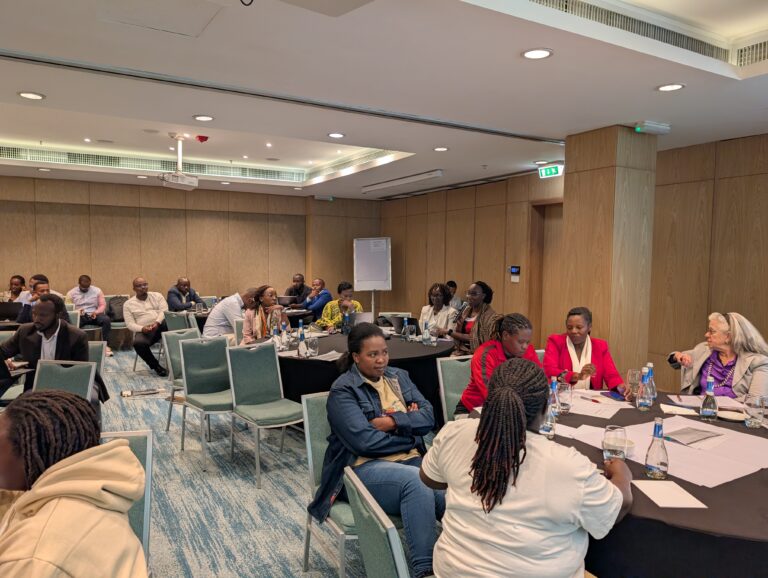
To this end, the Rwanda E-Moto Project held consultations with women e-moto operators to gather insights to inform the project’s Rebate Program, which will be led by the Rwanda Green Fund (RGF). These consultations discussed challenges and gathered insights on what is needed to develop inclusive solutions and reinforce women as key ambassadors of the E-Moto Project to increase the participation of women in the sector.
The RGF, with facilitation support from Rwanda Electric Mobility (REM), Global Clearing House for Development Finance (GlobalDF) and ICLEI Africa, consulted with 58 women e-moto taxi operators, who shared the following key insights:
Challenges identified
- Women face multiple barriers when obtaining a driver’s licence: The high cost of training and limited study time due to household and childcare responsibilities lead to repeated test failures. In addition, a lack of female riding trainers results in women having to rely on male trainers, and several drivers noted that male trainers harassed them. Training and tests are also done on ICE motos, which are harder to use, despite women undertaking training with the intention of operating e-motos.
- Cultural norms: Families often discourage women from riding, seeing it as a “man’s job.” Some women lack financial support for training and childcare, and further dependence on their family or spouses for access to collateral limits their access to finance.
- Safety and harassment concerns limit women’s mobility and income: No women ride at night due to risks from drunk passengers, harassment, and accidents, and renting out motos is also seen as unsafe due to potential damage, fines, misuse, and lost earnings.
Additional insights
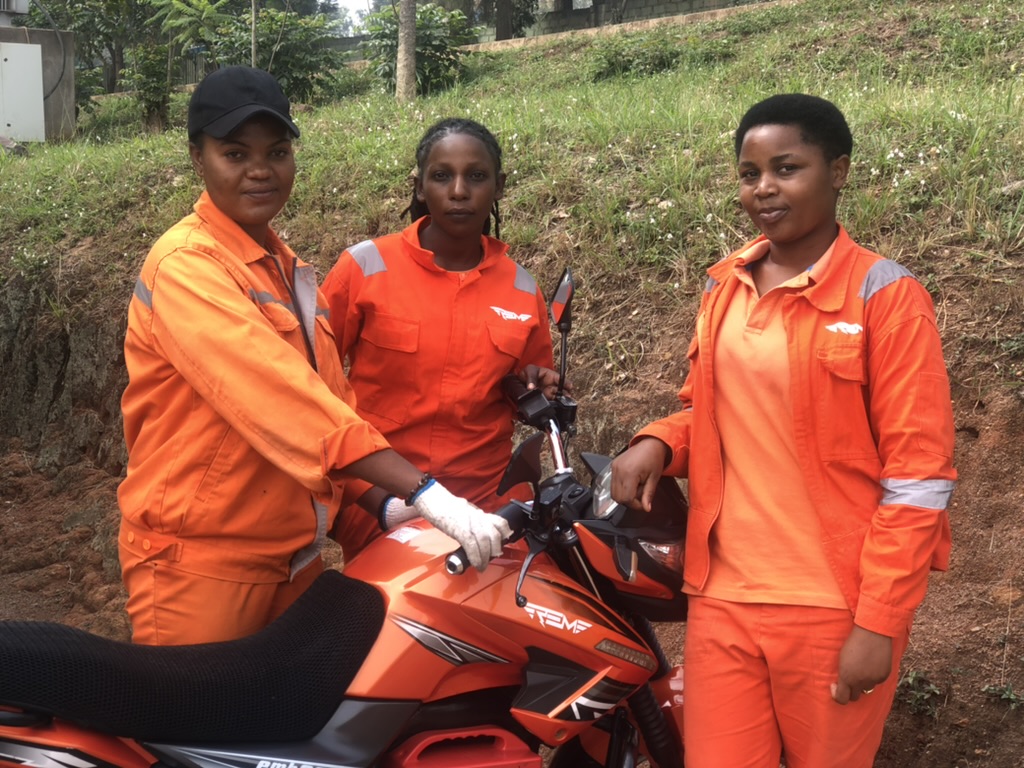
- Female respondents say passengers who have tried women drivers prefer them because they drive more safely.
- Referrals are strong: many women joined the e-moto taxi business after being introduced by friends, indicating the viability and growth potential of the sector as an income-generating activity for women.
- Female drivers are enthusiastic about the potential of this project and are eager to participate in activities like the consultations.
Overall, the consultations provided a strong foundation for shaping the next steps of the E-Moto Project. Stakeholders identified potential women participants through existing community networks and explored different models for involvement, including options beyond direct operation. Key training, eligibility and support needs were highlighted as essential for women to participate safely and successfully.
Early engagement on financial considerations helped outline feasible parameters for the Rebate Scheme, and open feedback channels were established to continue refining the approach. Importantly, the insights shared deepened understanding of the barriers women face, guiding the development of a programme that is more accessible, responsive and inclusive going forward.
This project sits at the intersection of finance, multilevel governance, low-carbon mobility and Gender Equity and Social Inclusion (GESI), which is a practical demonstration of the value of combining technical assistance and financial support, a Mitigation Action Facility approach. This builds local-level capacity to implement transformative climate action projects and utilise financial mechanisms to mobilise the public and private finance needed to implement real change.