Women at the centre of Rwanda’s e-mobility transition
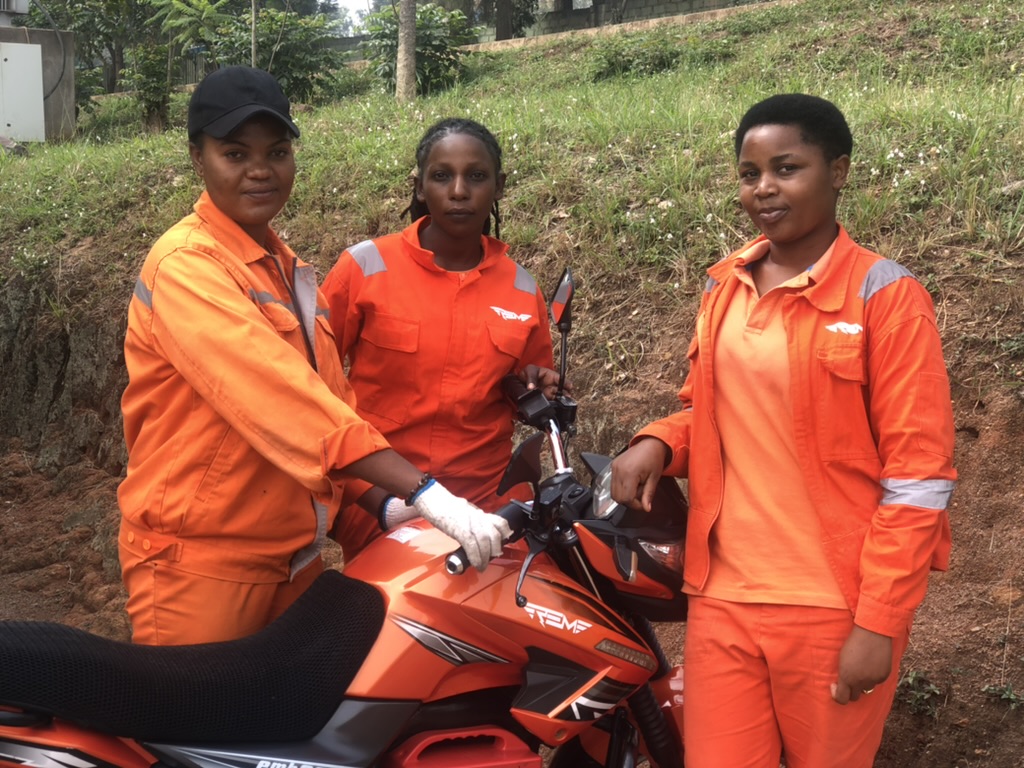
In Rwanda, accelerating the transition to electric motorcycles (e-motos) is essential to ensure that women and low-income earners can meaningfully participate in the country’s growing green economy. Recognising this, the Rwanda E-Moto Project has placed Gender Equity and Social Inclusion (GESI) at the centre of its approach, working with women moto taxi drivers, cooperatives, financial institutions, and private-sector actors to break down barriers and create pathways to quality green jobs.
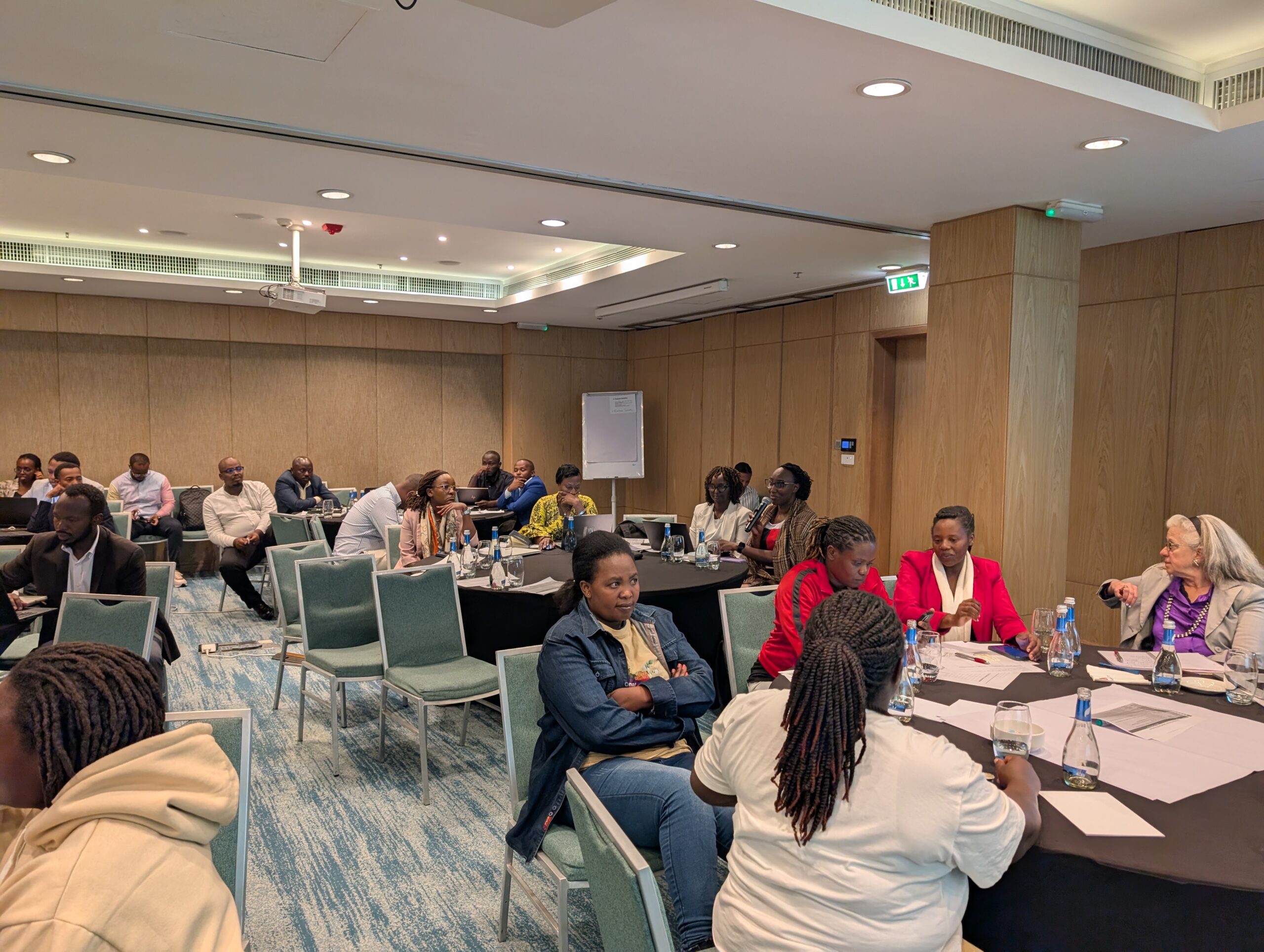
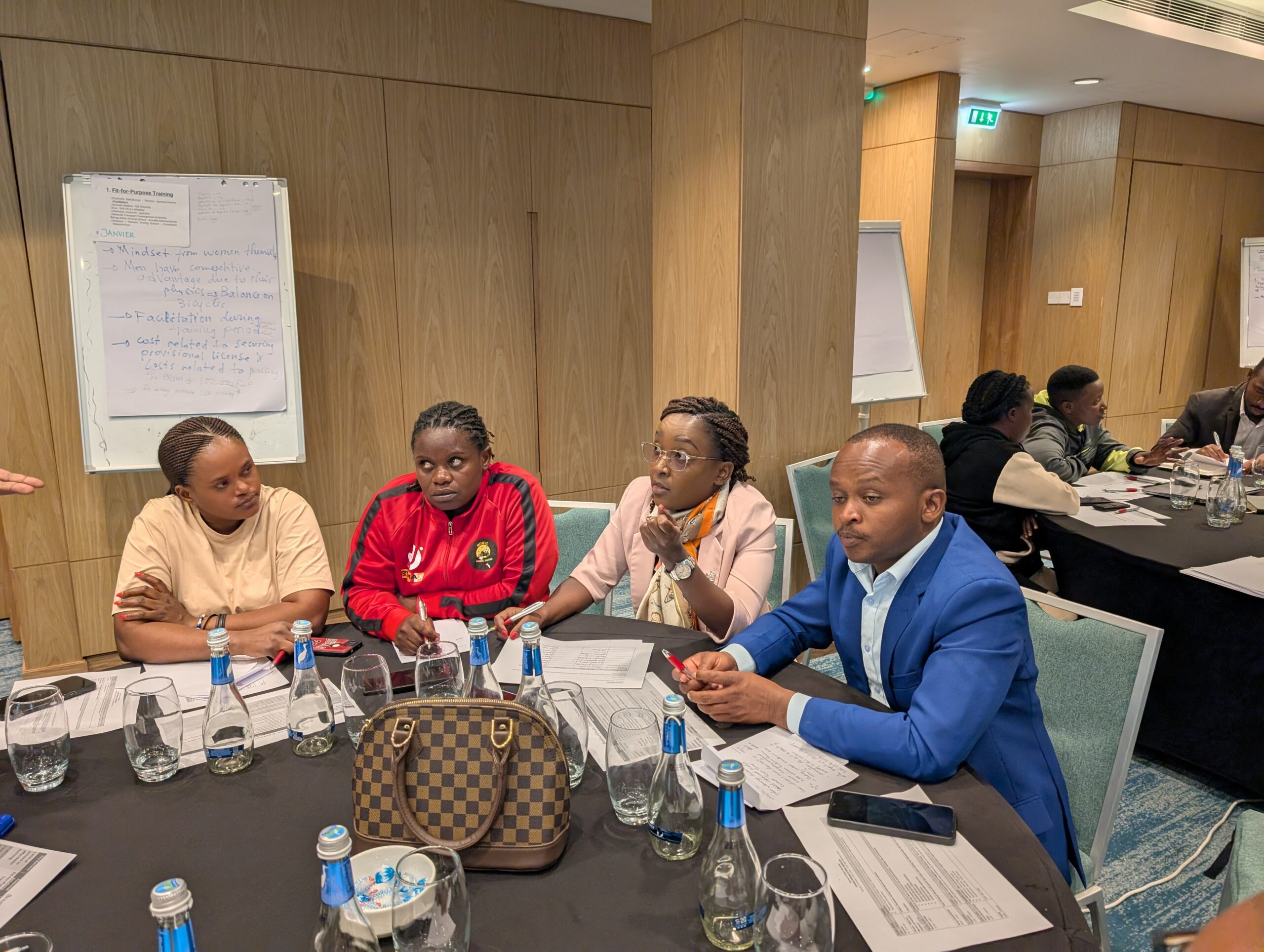
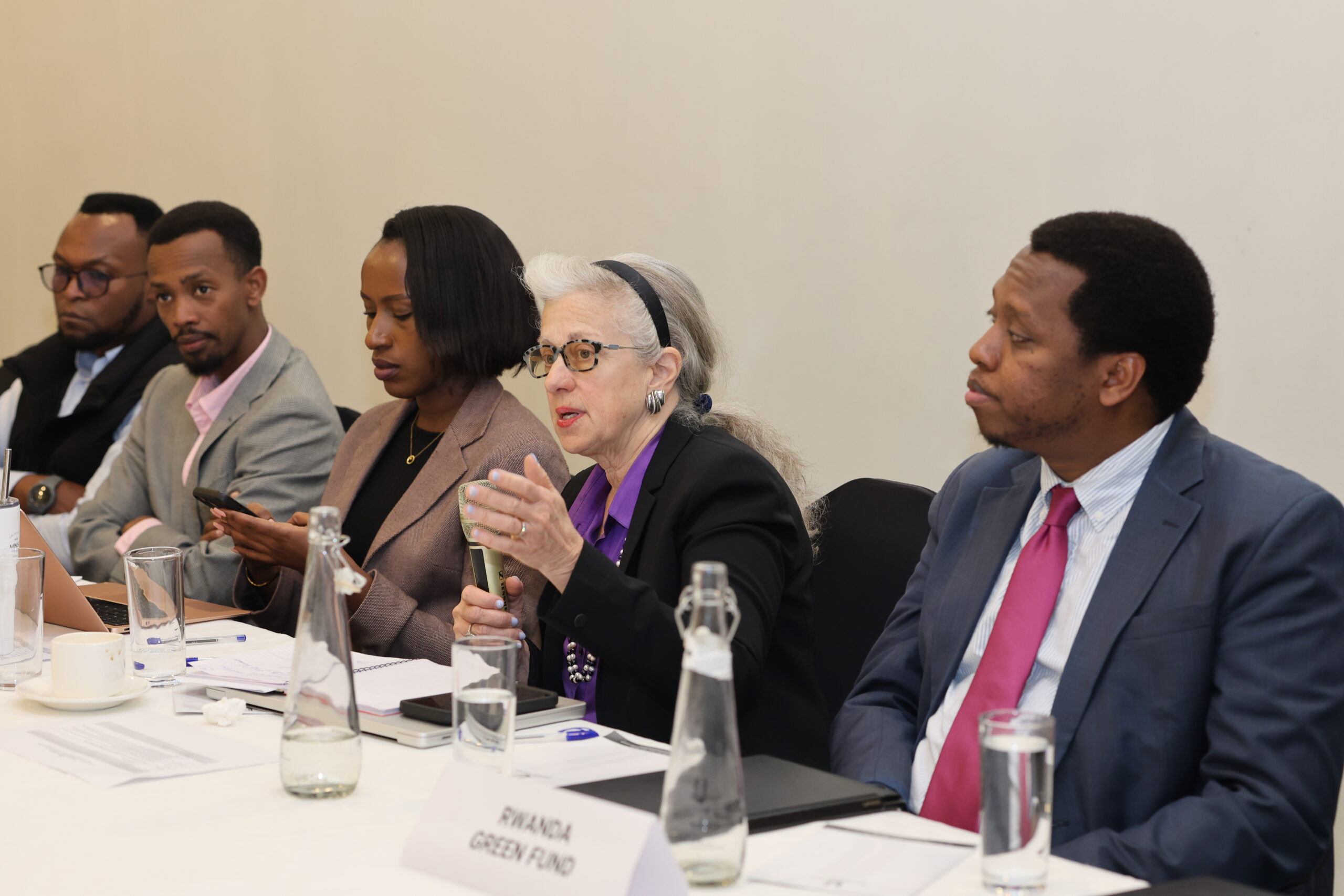
This commitment came into sharp focus during the recent Women’s E-Moto Workshop, which built on earlier consultations held in July and August. Over two days, women moto taxi operators, sector leaders, banks, cooperatives, and e-moto companies came together to highlight the barriers that continue to limit women’s participation in the moto sector and to co-design practical, actionable solutions. These discussions generated clear insights, solution pathways, and emerging commitments that directly inform the E-Moto Project’s GESI Action Plan. The outcomes will also guide how the project communicates and advances women’s empowerment across the e-moto ecosystem.
Persistent barriers to women’s participation
Participants reaffirmed several interconnected challenges:
Training affordability and access: Many women require longer training periods and struggle to balance training with family responsibilities.
Financing constraints: Only 0.2% of Equity Bank’s moto clients are women, highlighting barriers such as limited savings, lack of collateral, and household power dynamics.
Safety concerns and negative social perceptions: Stigma toward women drivers and concerns around safety, particularly at night, remain strong.
Maintenance and repair limitations: Women reported high repair costs, limited technical support, and the absence of reliable e-moto service hubs.
Licensing hurdles: Licensing systems still favour petrol bikes, making it harder for women preparing exclusively on e-motos.
These findings echo those identified in the July and August consultations and affirm the need for a strong, GESI-responsive transition strategy that addresses entrenched gender barriers rather than replicating them.
Co-creating solutions: practical pathways for an inclusive e-mobility transition
Stakeholders proposed, and signalled readiness to support, a range of concrete, women-focused solutions, including:
Gender-responsive training models, featuring women trainers, mentorship, flexible schedules, and licensing processes aligned with e-moto technology.
Flexible, accessible financing, with reduced collateral requirements, lower interest rates, streamlined application processes, grace periods, and guarantee-based loans.
Improved maintenance ecosystems, including expanded repair hubs, training opportunities for women mechanics, and fairer repair terms that reduce income loss.
Targeted recruitment pathways for women with licences, those awaiting tests, and new entrants, including bicycle taxi operators transitioning to e-mobility.
A centralised Operators Platform to share clear information on rebate eligibility, approved e-moto models, financing options, cooperatives, training centres, and nearby repair services.
Stakeholders, including financial institutions, e-moto companies, and government actors, expressed a strong willingness to adapt policies and collaborate on women-centred support mechanisms. Participants also emphasised the importance of shifting social perceptions and building stronger public and private partnerships to sustain momentum.
Advancing a fair and inclusive e-mobility transition
By placing Gender Equity and Social Inclusion at the core of its work, the E-Moto Project is ensuring that Rwanda’s transition to electric transport is equitable, people-centred, and truly transformative.
The commitments and solutions emerging from the workshop will guide the next phase of implementation, helping ensure that no woman, no rider, and no community is left behind as Rwanda accelerates toward a cleaner, greener mobility future.

 Download the


 Follow a
  See our
  View our