
 Follow a
  See our
  View our
 Download the
13 April 2026
Local and Regional Governments Forum at the Africa Urban Forum 2 (AUF2)

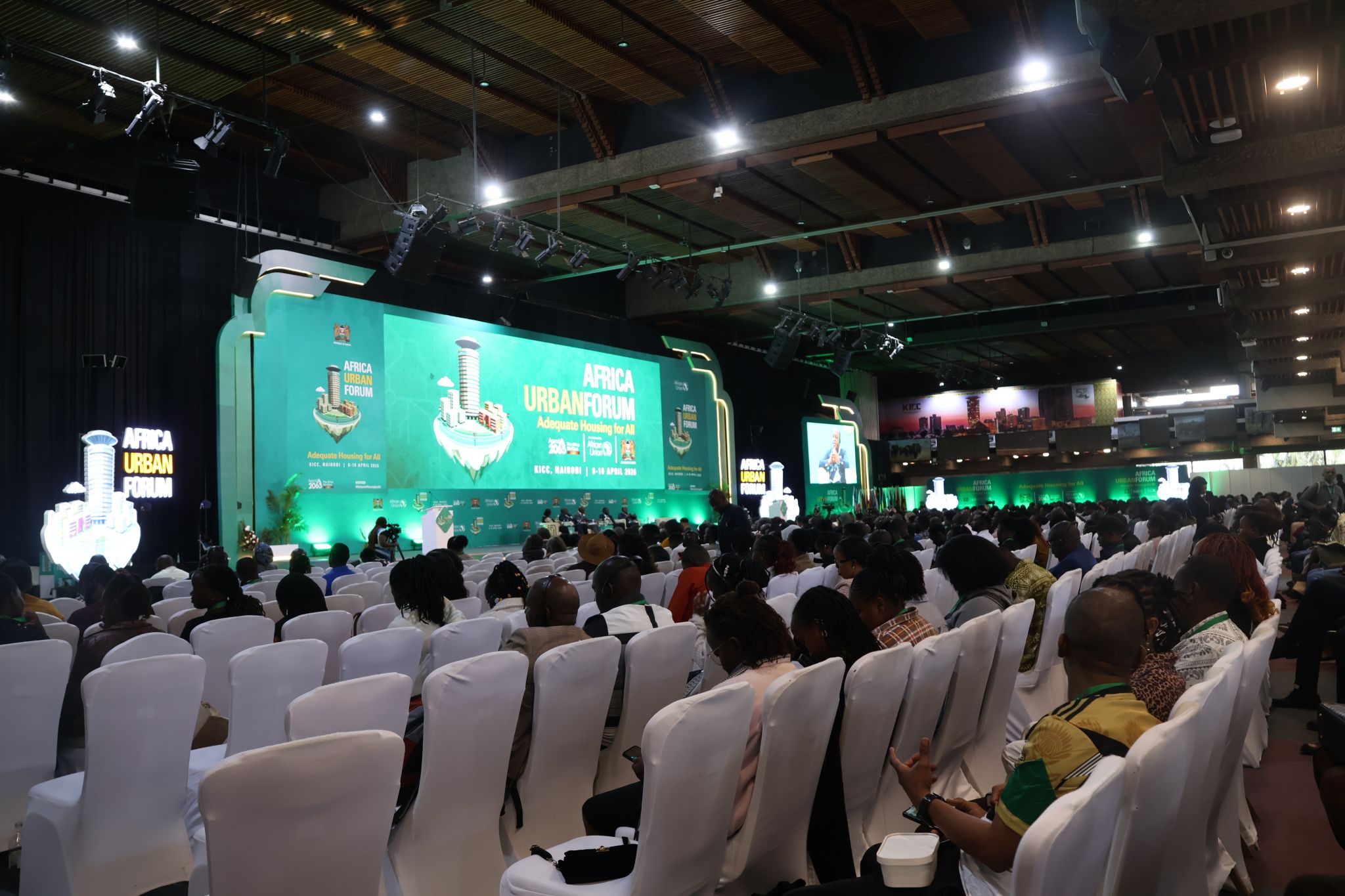

Africa Urban Forum 2 (AUF2), held from 8 to 10 April in Nairobi, Kenya, provided a critical platform to articulate a shared African perspective on sustainable urban development. Convened under the theme “Adequate Housing for All: Advancing Socioeconomic and Environmental Transformation towards the Realisation of Agenda 2063,” the Forum offered a timely opportunity to elevate housing as a foundational driver of productivity, urban sustainability and structural transformation. The AUF2, following on from the inaugural AUF held in 2024 in Addis Ababa, is a powerful signal of the importance placed on urbanisation by the African Union and its member states, further reinforced by the almost 40 national ministries represented at AUF2.
On this occasion, our community of city networks came together to elevate the voices of Mayors and Governors as subnational leaders who carry the mandate for service delivery and who are shaping urban futures. As part of the AUF’s high level plenary sessions, ICLEI Africa, UN-Habitat, UCLG-Africa and C40 Cities co-convened the first-ever Local and Regional Governments Forum (LRGF). Subnational governments have a vital role to play in urban management, proactive planning, infrastructure deployment and enabling effective co-design and partnership between urban actors.
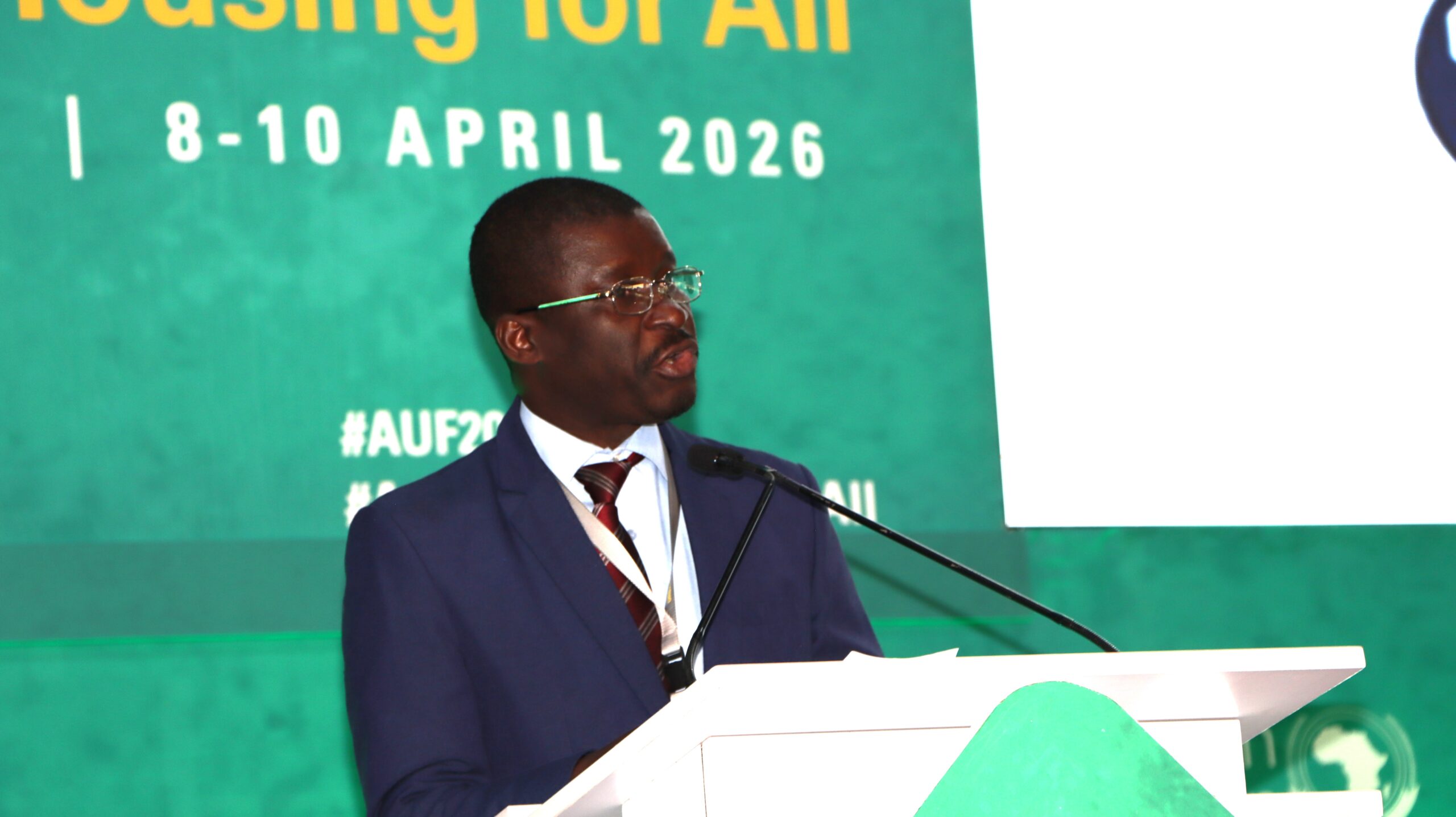
Rapid urbanisation in Nansana Municipality in Uganda: Three years ago, Nansana had 300,000 inhabitants; we are now at 700,000. 296, 000 are young people, with an important demand for housing. 59% of the inhabitants live in an informal housing environment.
Regina Bakitte, Mayor of Nansana, Uganda, ICLEI Africa Regional Executive Committee member & Covenant of Mayors in Sub-Saharan Africa (CoM SSA) Regional Mayors Forum member
Tweet
This LRGF was a key moment in the AUF2, as reflected by Anacláudia Rossbachf (Executive Director of UN-Habitat and United Nations Under-Secretary-General) at the AUF2 closing ceremony, where she commended the AUF for “dedicating a specific substantive session to local governments and cities, showcasing their leadership.”
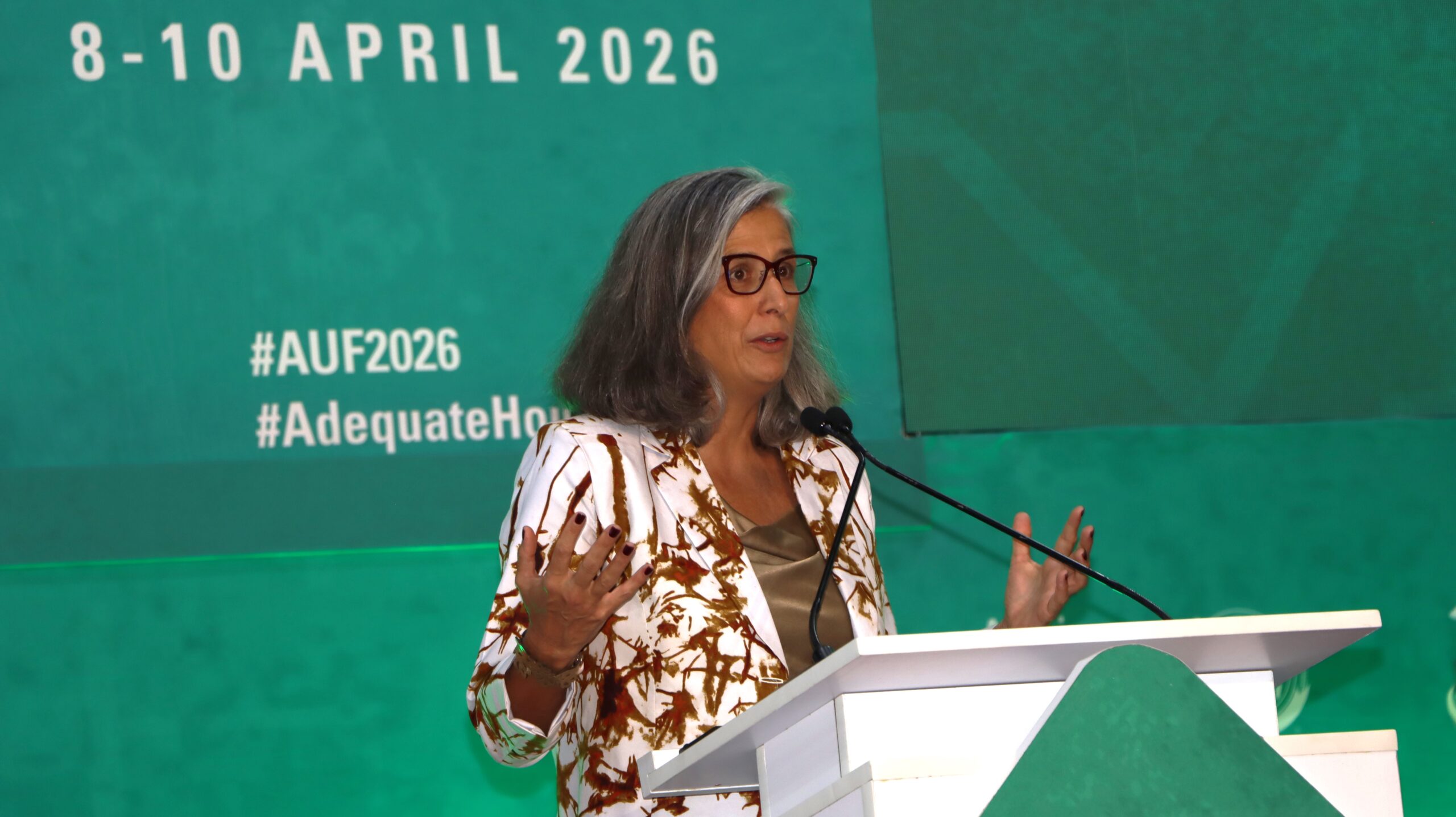
Four key arguments emerged during the LRGF:
We need to view housing as an enabler of many more urban systems. We need to connect the conversations of housing and urban development with cross-cutting themes like climate, biodiversity, energy, water and sanitation, food systems, mobility, public space and the broader question of city-making. There needs to be a shift from delivering and measuring housing as dwelling units to understanding human settlements as key to broader city-building and to ensuring people have access to amenities that improve their access and agency. We need to approach human settlements in a way that improves the quality of life and access to opportunities for meaningful livelihoods for Africans.
We are organised with neighbouring communes, with 26 local authorities, within Greater Bamako. This makes it possible to think about housing at a more coherent scale, to better plan urban expansion, to plan social housing over the long term, and to pool our resources.” ~ Ms Mariame Diallo, Mayor of Bamako III
Local governments are at the intersection of global and national priorities, with communities and partners in their jurisdictions. If empowered and engaged as core partners, local governments act as systems leaders who bring together a whole set of urban actors to deliver housing at scale. We need to actively think about private sector and community partnership in a meaningful way, where we empower local communities to plan their own settlements and acknowledge that the public sector alone cannot provide enough housing to meet the growing demand. We need to invest in the micro builders, the small and medium enterprises that are actually building our cities.
We, as Governors, are caught between the devil and the deep blue sea. We know the need for housing, we need resources to provide housing, but we don’t have enough resources to do so. What we have done is to begin putting up housing projects in small scale where we can to start this long-term process. ~ Gov. Peter Anyang’ Nyong’o, Governor of Kisumu County, representing Council of Governors, Committee on Urban Development and Housing
We need to fundamentally reframe our relationship with informality. We need to understand that informal systems and informal economies should receive investment instead of being relegated or removed. Speaking on a panel during the event, Joe Kimani, Kenya Director, Slum Dwellers International said, “slums are where people have chosen to live.” What they need is sufficient infrastructure support. Slum removal is slum creation, as people who are displaced will always find a new place to stay that evening. This narrative shift will allow us to see a whole set of returns and ensure that cities are being created from the bottom up.
Urbanisation needs to be planned and financed. We need institutions that can finance the gap. Our role, as local government, includes collaborating with the central government, ensuring they understand the circumstances of our communities. ~ Chilando Chitangala, Mayor of Lusaka City Council (Zambia), ICLEI Africa Regional Executive Committee Chairperson and CoM SSA Regional Mayors Forum Vice-Chairperson
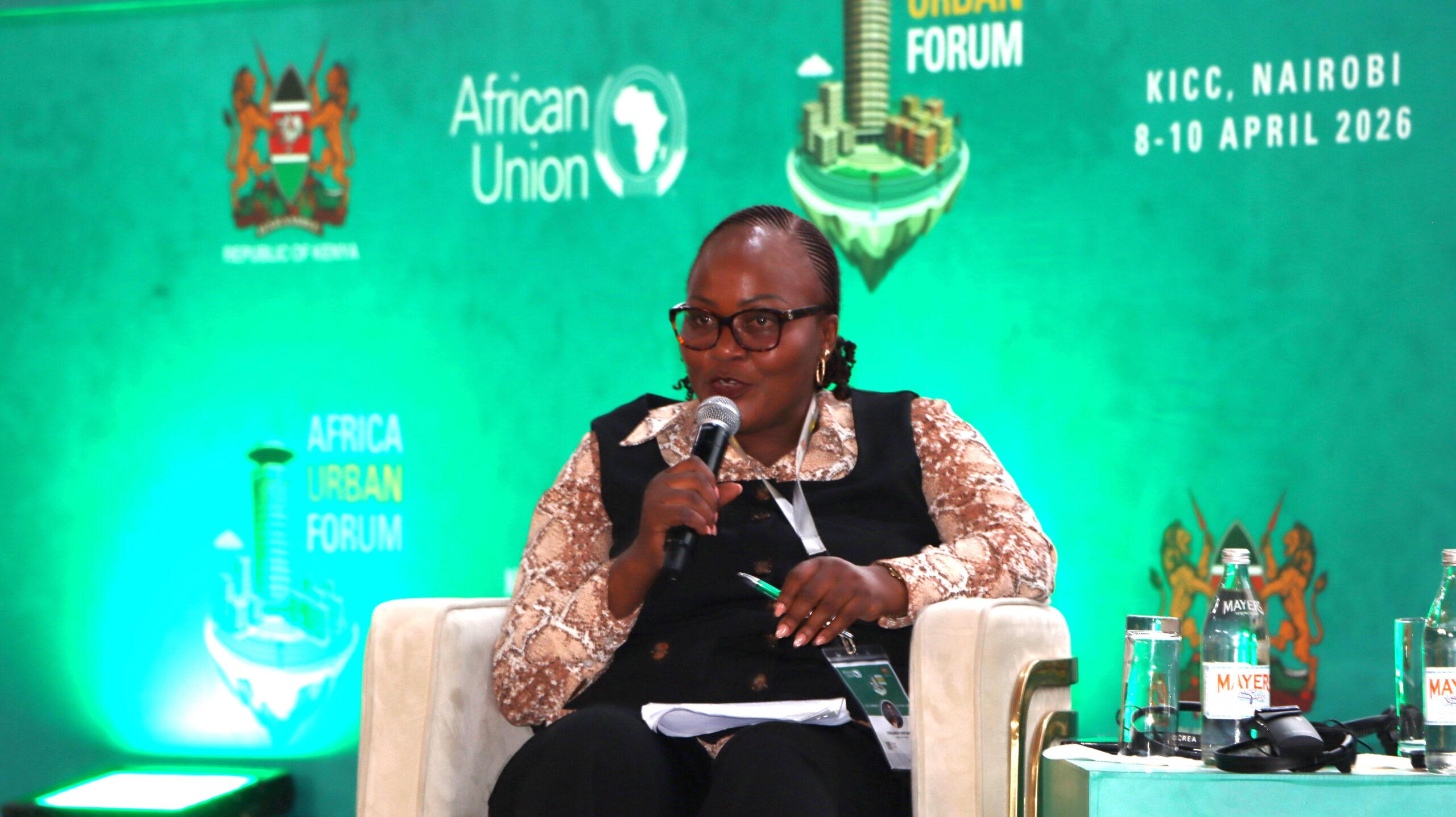
While we can speak about plans and visions and the need for collective partnerships and engagement. We need to ensure that the resources needed to transform our cities arrive at the local level where they will be put to most effective use. This means improving the consistency and predictability of inter-governmental transfers while also developing more innovative own-source revenue mechanisms.
Yet mobilising finance is not only a question of increasing flows—it is about restructuring how finance reaches and works at the local level. Across the Forum, there was a clear recognition that cities require stronger support in translating plans into bankable projects and in bridging the gap between global capital and local delivery realities. This includes building city-level project pipelines, strengthening financial management systems, and enabling access to a diverse mix of instruments—from grants and concessional finance to loans, pooled funds, and partnerships with the private sector. It also means strengthening the reach and capabilities of national development banks, as well as intermediary institutions that contribute to derisk investments and align funding with local priorities. Without these enabling systems, even well-designed funding mechanisms will struggle to reach the communities and settlements where transformation is most urgently needed.
We must recognise the vital role played by intermediary organisations—those working between the local, national and global levels, across sectors, to translate knowledge, strengthen capacity, and make sure finance flows in varying contexts. ~ Dr Manuel de Araújo, Mayor of Quelimane (Mozambique)
ICLEI Africa Regional Executive Committee and CoM SSA Regional Mayors Forum member
One-sentence advice, for subnational leaders, from the finance experts:
Heike Harmgart, Managing Director for Sub-Saharan Africa, European Bank for Reconstruction and Development: “Start where you have the biggest consensus and the best allocation of risk and reward.
Philip Camille Akoa, CEO of FEICOM: Be prepared, find the right partner, build the right coalition. Find new ways to formulate what can work. Find the best way to partner with the central government.
Dr Meggan Spires, Director of Sustainable Finance Centre & Climate Change, Energy & Resilience at ICLEI Africa: We have evolved our delivery model from a sole focus on project preparation to what we now call pathways of impact. These pathways reflect:
- National fiscal and regulatory frameworks
- Municipal readiness and capacity
- Creditworthiness realities
- And local and national development priorities
In practice, this has meant supporting:
- Improved own‑source revenue utilisation
- Structured public‑private arrangements
- Grant finance used strategically to catalyse bankable and self‑financing interventions
- And loan finance, where projects meet affordability and concessionality thresholds
This approach has allowed municipalities within the ICLEI Africa network, of different sizes and capacities, to meaningfully participate, in cohort with their national governments.
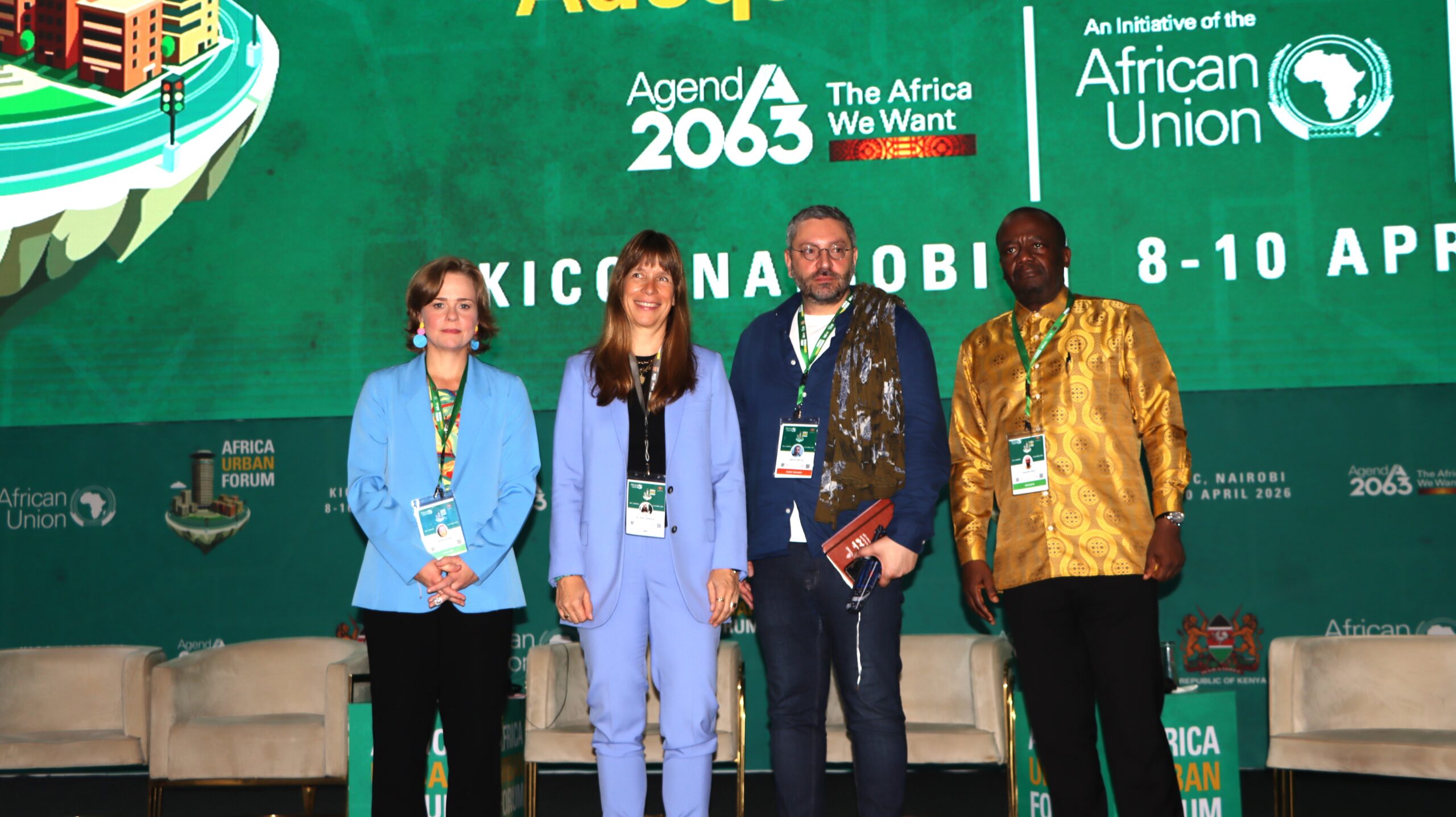
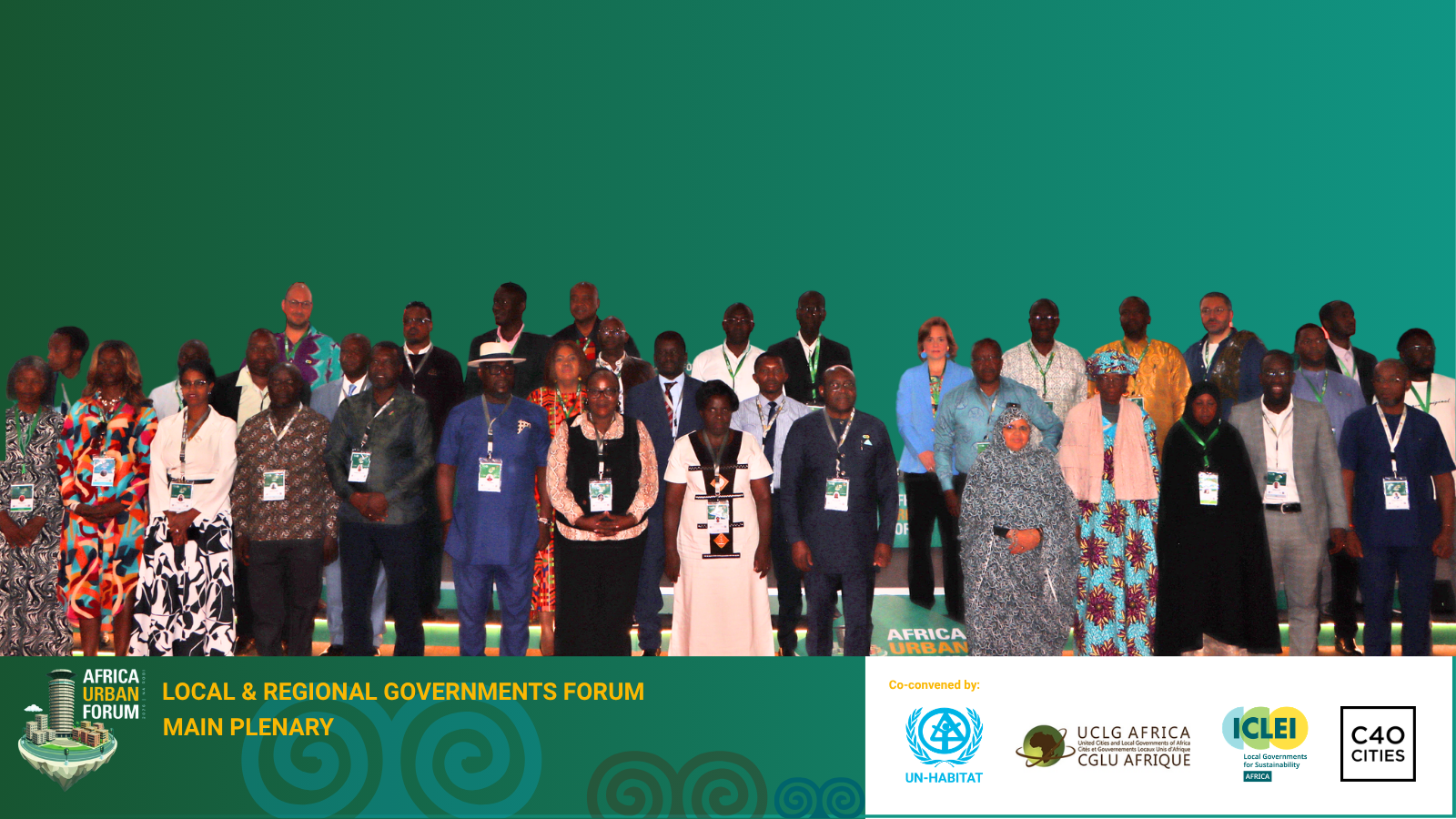
The perspectives, provocations and solutions shared during the LRGF showed that local governments know what their communities need and are already innovating, collaborating and taking bold action to create the cities that Africans deserve.
Photo on the left shows the 40 Mayors and urban leaders who attended the plenary session.
Local and Regional Governments Constituency in the Final AUF2 Declaration
The Nairobi Declaration, read on the final day of AUF2, provides a solid basis for further advocacy and collective action, representing urbanisation as a challenge if ignored, and an opportunity if well-managed.
The Declaration presents housing as a central pillar of Africa’s urban transformation, closely linked to economic growth, industrialisation, and infrastructure development. It recognises both the scale of the housing deficit and the role of informal systems, while placing strong emphasis on land reform, financing mechanisms, and large-scale delivery. Housing is therefore framed not only as a social need, but increasingly as an economic driver—supported by investments in infrastructure, value chains, and integrated planning frameworks. On finance, the Declaration, indicates a commitment “to empowering Subnational Governments as fiscally capable actors to deliver sustainable and bankable urban development; Cities and regions cannot deliver without sustainable finance.”
For local and subnational governments, the declaration provides meaningful support, particularly through its strong focus on fiscal empowerment, institutional capacity, and the role of cities in delivering housing and services. It acknowledges the leading role of local governments on the ground and advances important commitments around predictable transfers, access to finance, and strengthening municipal systems, while further encouraging member states to invest fully in devolution processes, which distribute to local governments not only responsibilities, but the resources to fulfill them. However, while cities are clearly recognised as key implementers, there remains an opportunity to further elevate their role as co-designers of policy and coordinators of meaningful partnerships for integrated urban development.