High-level continental policy dialogue contributing to the African Union’s Resilience Programme
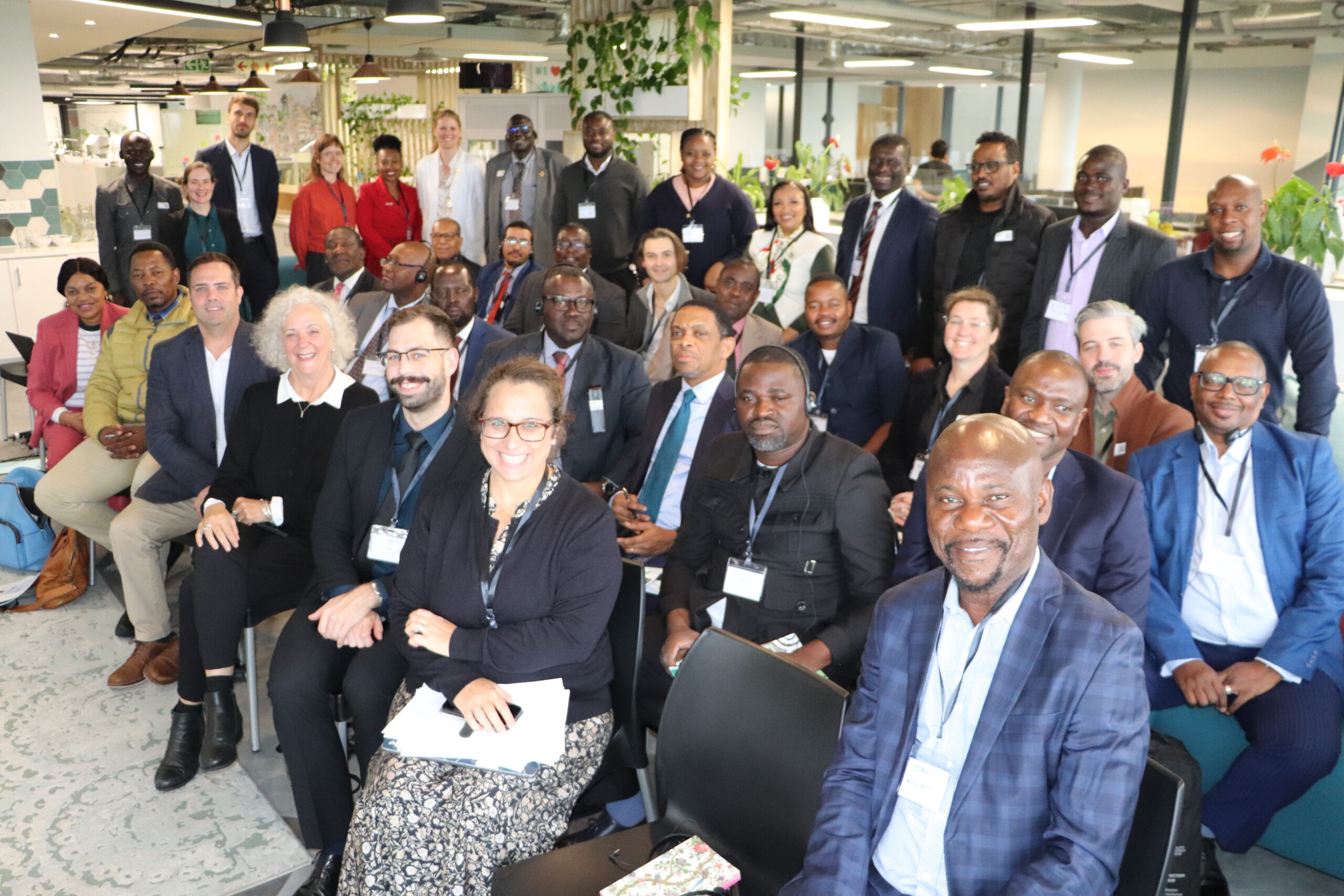
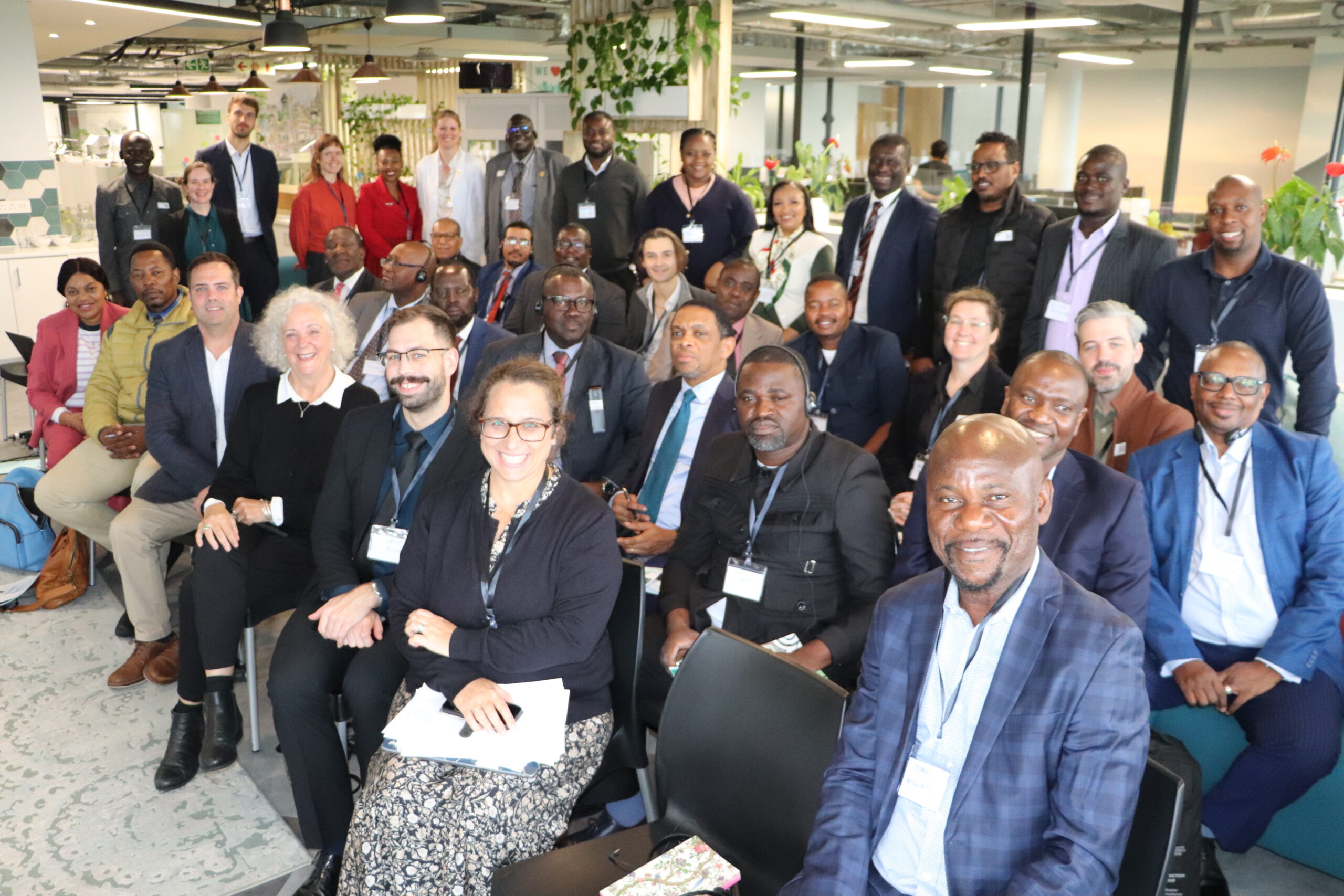
At the end of May, leaders from across Africa’s five continental regions gathered at the ICLEI Africa offices in Cape Town for the Continental Policy Dialogue and Vision Leaders’ Engagement on Urban Resilience in Africa. This three-day dialogue was hosted by ICLEI Africa in partnership with the African Union Commission and GIZ’s Resilience Initiative Africa.
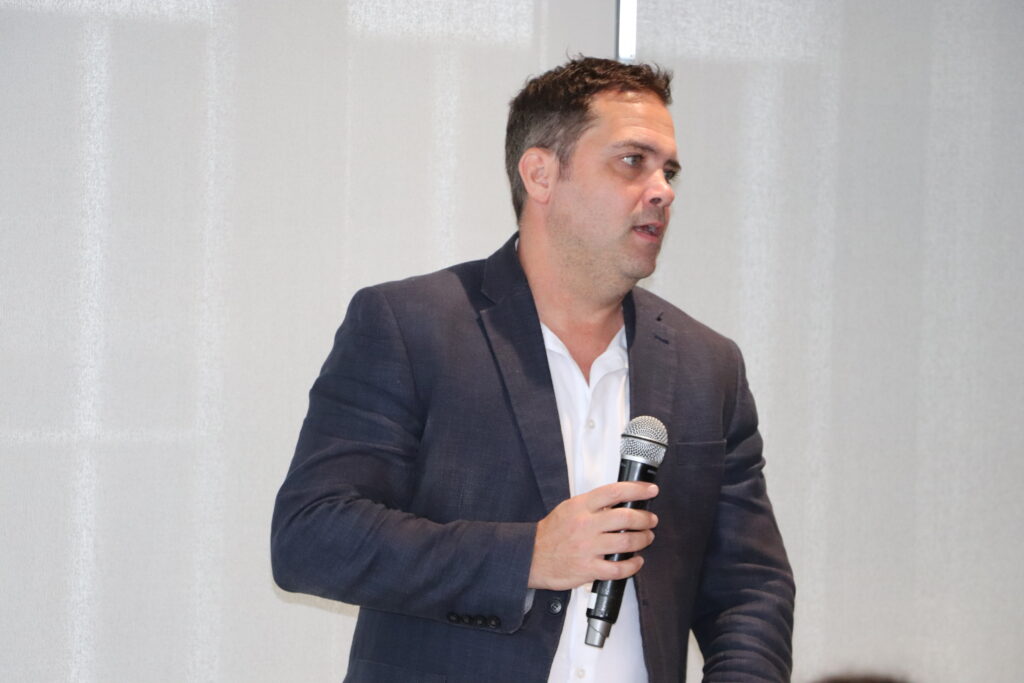
Gareth Morgan, Executive Director of Future Planning and Resilience at the City of Cape Town, officially opened the dialogue and welcomed delegates to the city, highlighting that resilience is no longer a peripheral conversation: “Resilience is about the ability of a city, its institutions, infrastructure, economy, communities, and leadership, to anticipate, adapt, absorb shocks, recover, and continue to function under pressure. But more than that, resilience is about creating cities that can thrive despite uncertainty.”
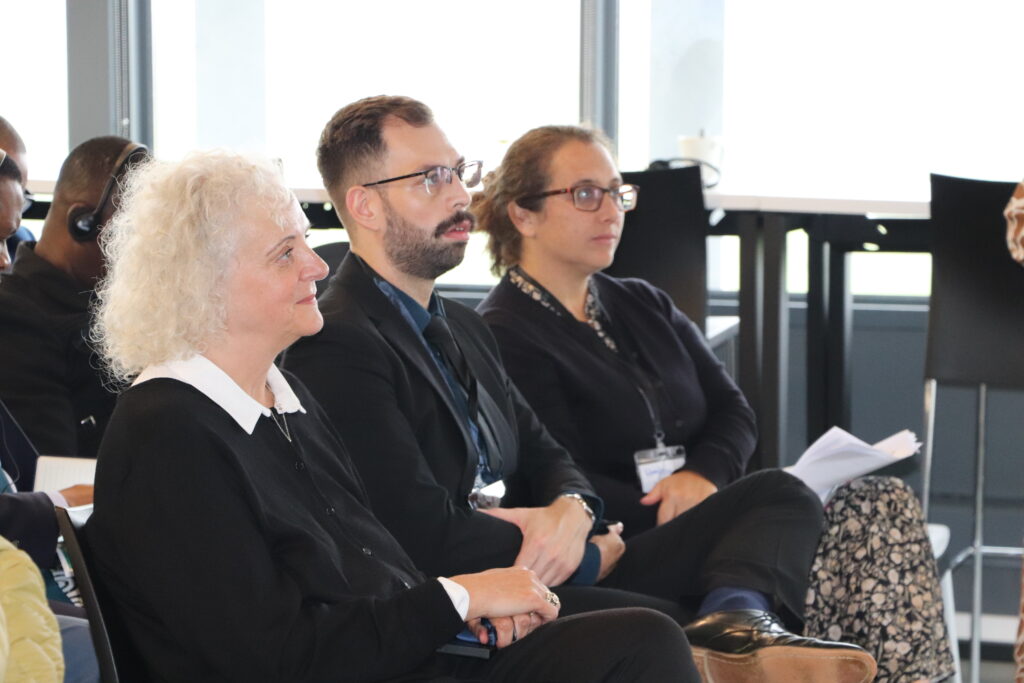
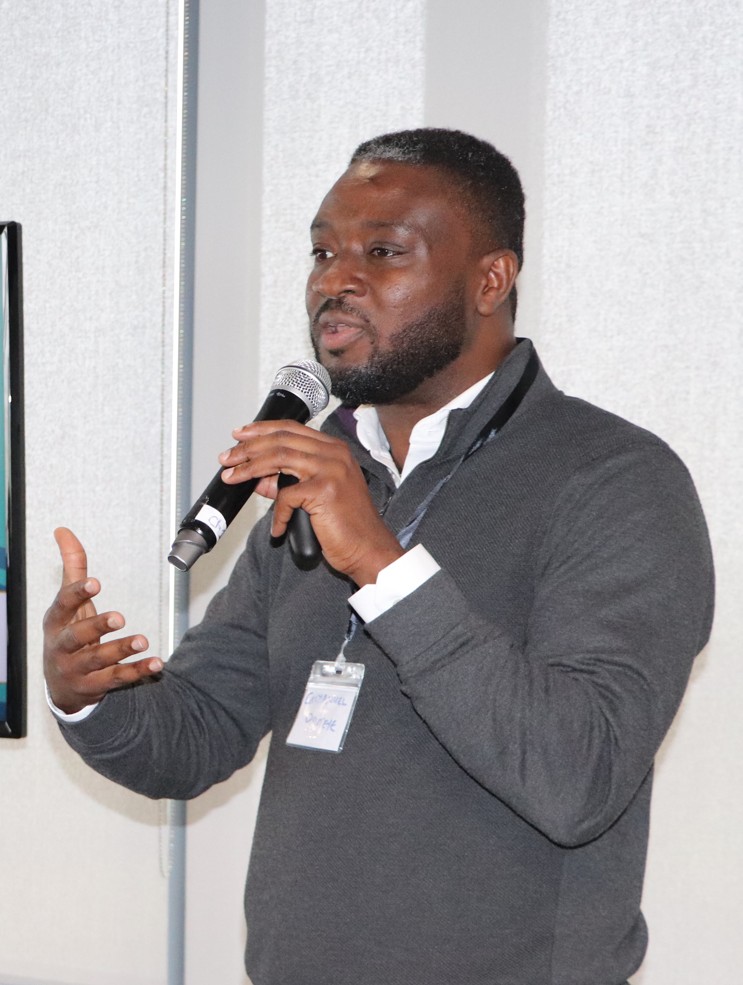
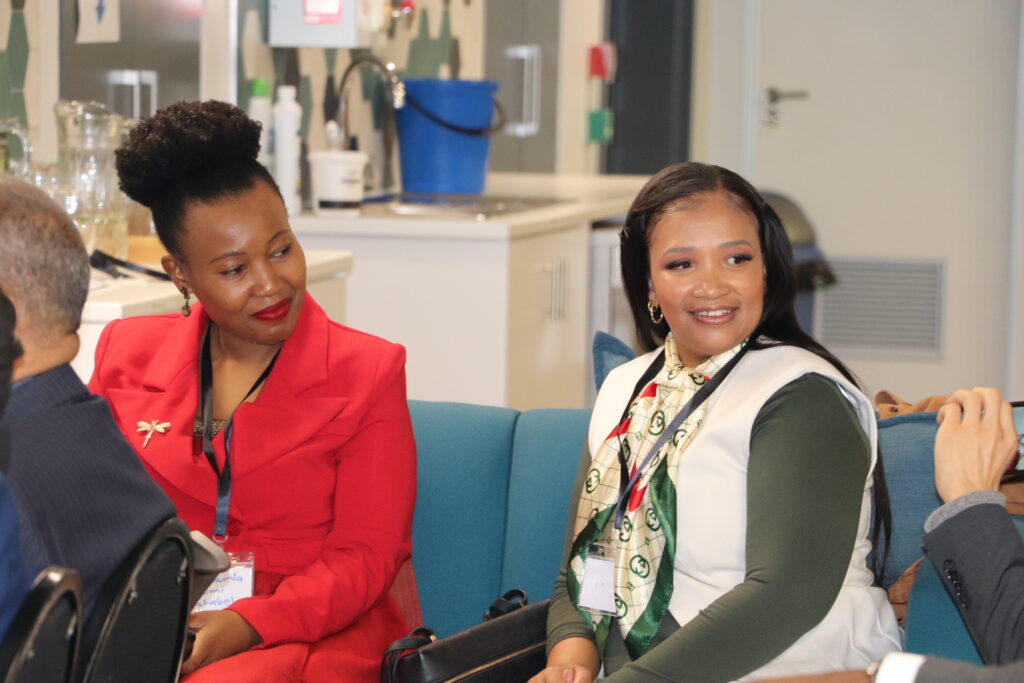
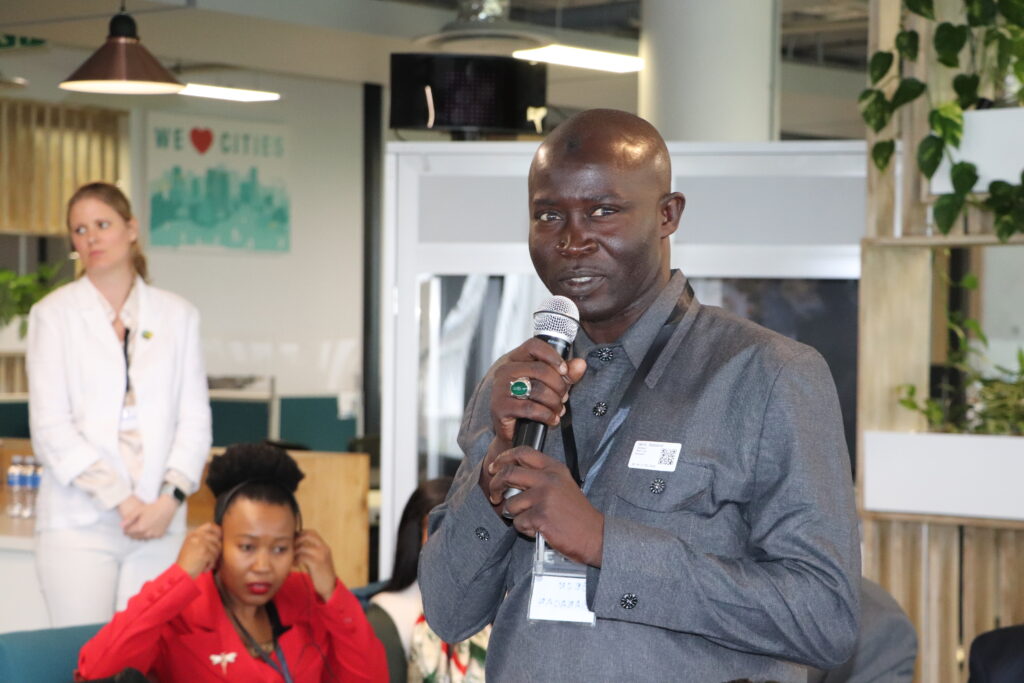
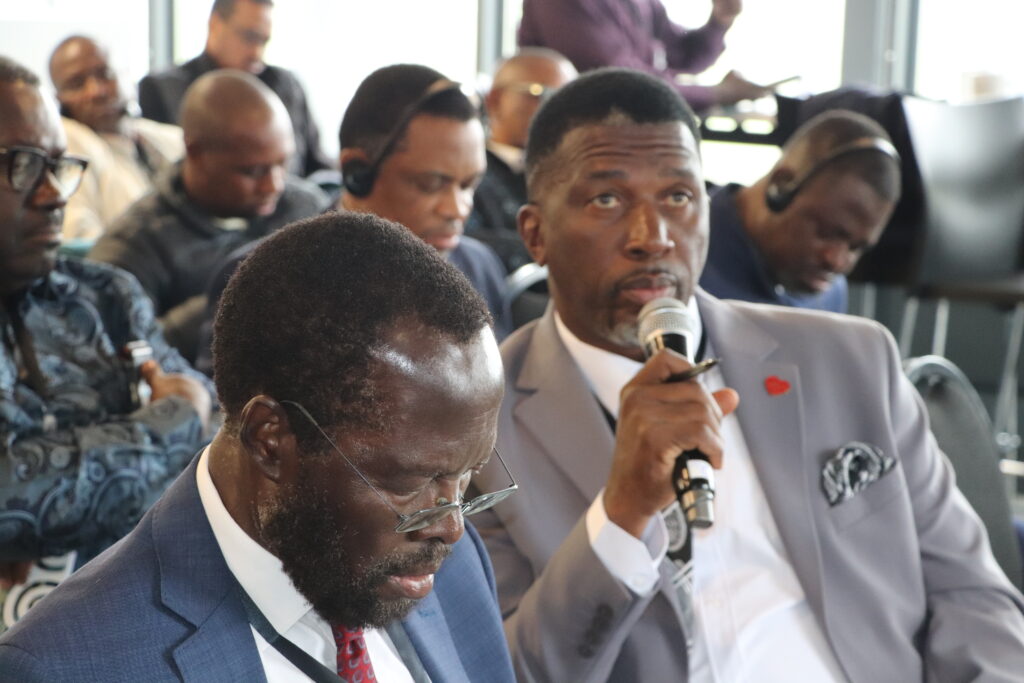
The symposium brought together 35 delegates, including mayors, governors, municipal directors, technical experts, development partners and academia. Together, they explored how African cities can transition from reactive responses to climate and disaster risks towards proactive, long-term resilience that is embedded in urban development, governance, infrastructure investment and community wellbeing.
How does this dialogue contribute to the African Union’s resilience agenda?
As African cities continue to navigate rapid urbanisation, climate risk, infrastructure pressures and growing uncertainty, this dialogue creates an important space to move from plans to implementation, and from isolated projects to systemic change.
In 2024, the African Union endorsed the Africa Urban Resilience Programme (AURP), which provides a new continental framework for reducing risks and building resilience in cities through strategic investments, partnerships and collaboration.
This marks an important milestone in advancing coordinated urban resilience efforts across the continent. However, a major challenge remains: the limited engagement of urban and municipal leaders in championing and delivering this agenda at scale. Cities and municipalities are critical actors; they hold the political mandate, proximity to communities, and ability to drive transformative local action. Yet their potential remains underutilised within continental and global resilience processes.
This dialogue addresses this challenge by convening a diverse group of African city and municipal leaders to co-produce a flagship Action Document for Urban Resilience in Africa, designed to support advocacy, guide implementation, and strengthen linkages between local action, continental priorities, and global policy processes.
Emmanuel Osuteye, Technical Advisor for Urban Resilience, African Union Commission:
“Mayors and city authorities are at the frontline of urban resilience, and therefore their voice in shaping how resilience can be built and prioritised is integral.”
While resilience is often framed as a technical or environmental issue, delegates emphasised that building resilient cities is fundamentally a leadership, governance and development challenge. Mayors and municipal leaders play a critical role in convening stakeholders, unlocking investment, driving implementation and ensuring resilience is integrated across all sectors of local government.
In preparation for this dialogue, a background synthesis titled African Urban Resilience Initiatives Stocktake (2016–Present) was developed to lay the context for the discussion. The synthesis elaborates on the emerging system risks and drivers of change in urban African resilience and showcases the institutional landscape of African urban resilience initiatives and their thematic areas. Importantly, the synthesis also highlights gaps and blind spots evident in ongoing urban resilience efforts across the continent, such as flood-centric resilience agendas, fragmentation across initiatives, geographic concentration in major cities and the persistent planning-to-implementation gap, amongst others.
The synthesis set the tone for the dialogue by resolving that the next phase of urban resilience in Africa must move beyond planning and pilot interventions toward systemic transformation, embedding resilience within core urban development pathways, unlocking large-scale finance, and strengthening cities’ institutional capabilities to lead. This requires a shift from “projects” to “portfolios,” from “initiatives” to “systems,” and from “supporting cities” to enabling cities as drivers of resilience at scale.
Dr Phumla Msomi Mkhabela, Engineering Executive Support, eThekwini Municipality:
“We can look at our continent from a lens of vulnerability, but there are also so many opportunities. We must look into those opportunities in building cities that are resilient and inclusive.
Babacar Seck, Chief of Staff of the Mayor of Bargny:
“Amongst the cities gathered here for this dialogue, we have commonalities; even though we are big cities and small cities, we share tangible common challenges. For the most effective resilience initiatives, we must tackle these challenges together but tailor the approach to the unique contexts of each city.”
Action Document for Urban Resilience in Africa
Following a series of visioning exercises, using the Three Horizons framework and other reflective activities, delegates co-produced the foundations of the Action Document for Urban Resilience in Africa.
The emerging Action Document identifies a shared diagnosis of the challenges facing African cities, a collective vision for resilient urban futures and a series of commitments across governance, finance, planning, technology, nature-based solutions, community resilience, inclusivity and knowledge exchange. It recognises that resilience cannot be achieved by local governments acting alone and calls for strengthened collaboration between cities, national governments, communities, civil society, academia, development partners and the private sector.
The Action Document aligns with the African Union’s AURP and contributes to strengthening advocacy, policy alignment and the implementation of urban resilience priorities at both continental and global levels. This Action Document will be reviewed by peers and experts in the coming weeks before it is finalised and officially launched.
The dialogue concluded with a strong call for leadership. Delegates emphasised that resilience is not simply a technical agenda, but a governance and development imperative that requires mayors and city leaders to champion long-term thinking, build coalitions for change and mobilise action across society. As African cities continue to face growing and interconnected risks, the collective leadership demonstrated during the dialogue provides a strong foundation for advancing a more resilient urban future for the continent.
Lord Mayor of Kampala, Ronald Nsubuga Balimwezo:
“This dialogue is going to help us move from discussions to practical actions to build a clean, resilient, smart, people-centred city. The future of resilient cities depends on leadership. Mayors, I call on you to embrace this dialogue and action document.”

 Download the


 Follow a
  See our
  View our