
 Follow a
  See our
  View our
 Download the

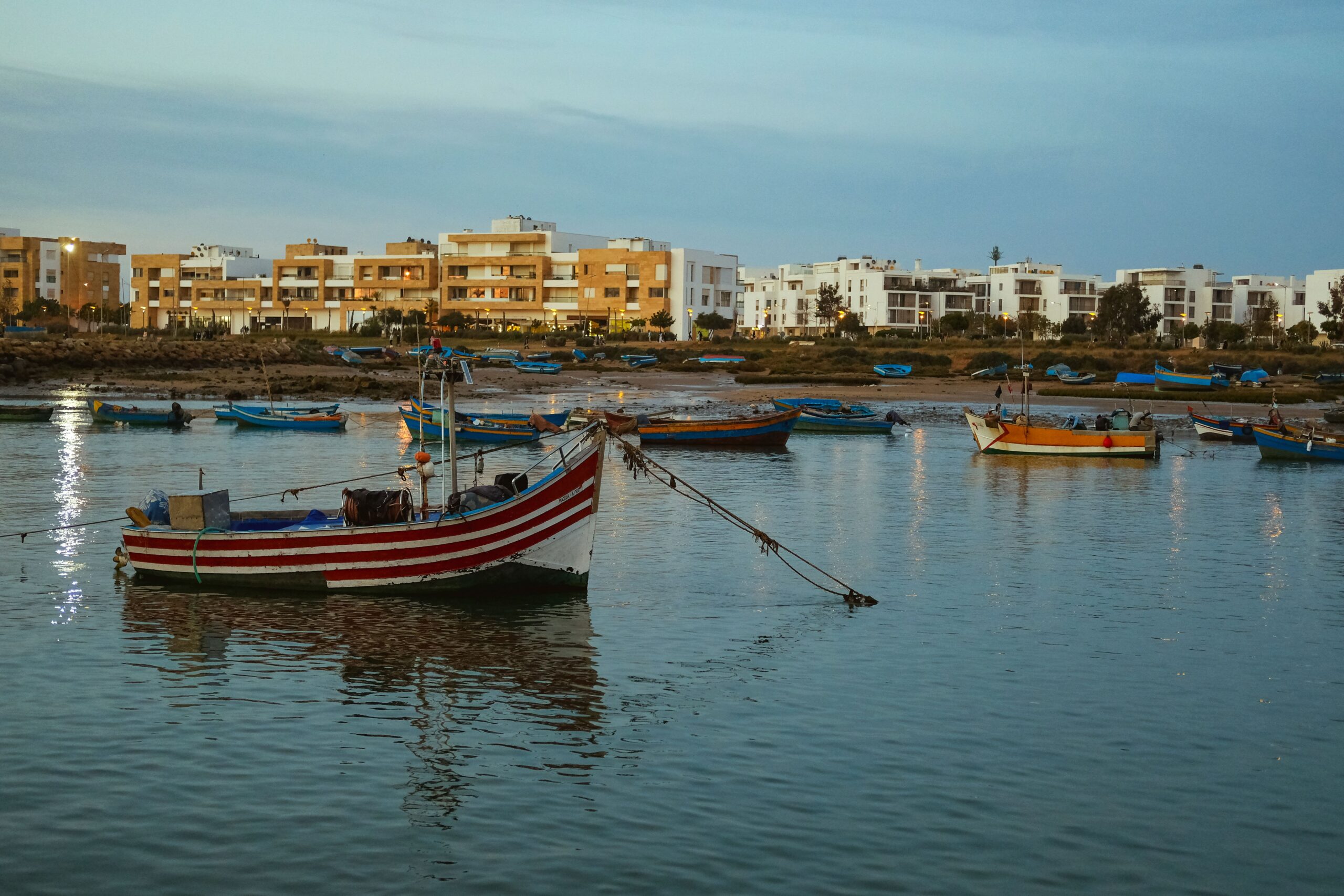

This week, World Water Week 2026 kicks off under the theme “Water for People and Progress.” At the same time, UNCCD COP17 is bringing global attention to drought management, land resilience and water security. Together, these events reflect water as an increasingly recognised critical thread running through climate action, biodiversity, land management and sustainable development.
In a landmark year for global environmental action, three major UN COPs on climate change, biodiversity and desertification are all taking place in 2026. Water is where climate, biodiversity and land commitments become tangible at city level. Decisions about water determine whether cities can withstand drought, flooding and heat, maintain essential services, protect ecosystems and support local economies.
From global agendas to local action
Local governments are often the first responders to floods, droughts, water scarcity and disruptions to essential services. Climate change is intensifying these pressures, while rapid urbanisation and growing demand are placing additional strain on already stretched water systems.
Building urban water resilience requires more than technical solutions; it is about changing how water is planned, valued, governed, and invested in across the urban system.
This approach has shaped ICLEI Africa’s work on circular and resilient urban water management. From 2024 to 2026, ICLEI Africa implemented the Urban Circular Water Resilience Initiative (UCWRI*) in Morocco, with the support of GIZ Morocco. The project has strengthened the capacities of local stakeholders in four pilot cities, including Marrakech, to advance more resilient and circular approaches to urban water management, through:
- The establishment of a multi-stakeholder platform on water resilience in two intermediate cities: Kenitra and Benguérir. Through the project’s multi-stakeholder platforms, two projects have been co-developed with key local actors:
- The restoration of the urban wetland “Marjat El Fouwarat” in Kenitra; and
- The redevelopment of an urban park introducing circular economy and nature-based solutions in Benguérir.
- A public-awareness-raising campaign to promote sustainable water practices across the four pilot cities, which has been co-developed by project partners and local stakeholders.
- The development of a compendium of solutions for local and regional governments. It features 12 practices that demonstrate how even the most water-scarce and flood-prone cities can build resilience to address urban water challenges amid escalating climate pressures.
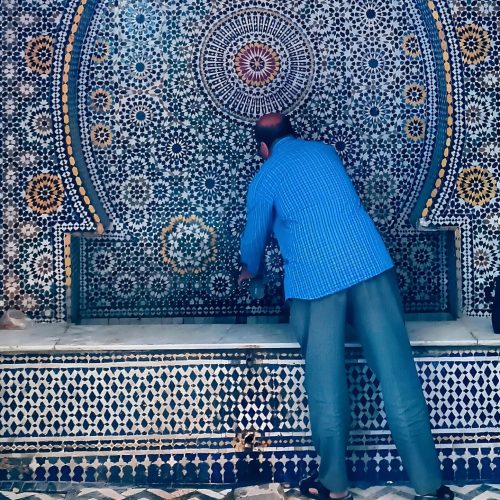
In Marrakech, we are building on this experience by focusing on water efficiency in the tourism sector, one of the city’s key economic drivers. This work aligns with Marrakech Vision 2050, adopted by the city council in May 2026. The strategic plan sets out a vision for strengthening the city’s resilience in the face of climate change, including the growing water pressures facing the semi-arid city.
Marrakech’s tourism sector is economically vital, but its continued growth is increasingly constrained by water scarcity. This creates a critical development trade-off: how can the city sustain the economic benefits of tourism while reducing pressure on a resource already under strain? What matters is stronger capacity, as well as a shift towards more water-conscious tourism practices that can help protect the city’s water resources while sustaining economic activity. This also offers lessons for other rapidly growing tourism destinations facing similar climate and water pressures.
As global commitments on drought, climate, biodiversity and land converge, cities are a key place where these commitments will succeed or fail through implementation. Water gives us a very tangible entry point for turning interconnected global commitments into integrated local action.
*The UCWRI, led by ICLEI, is funded by the project: Circular Water Economy in Urban Areas – EccEauUrbain, implemented by the Deutsche Gesellschaft für Internationale Zusammenarbeit (GIZ) GmbH, in partnership with the Moroccan Ministry of National Territorial Planning, Urban Development, Housing and Urban Policy.