 Follow a
  See our
  View our
 Download the
6 February 2026
A new chapter for urban water resilience
The reinvigoration of the African Cities Water Adaptation Platform



The reinvigoration of the African Cities Water Adaptation Platform
It is time to reflect on the critical role African-led solutions must play in securing water-resilient urban futures across the continent.
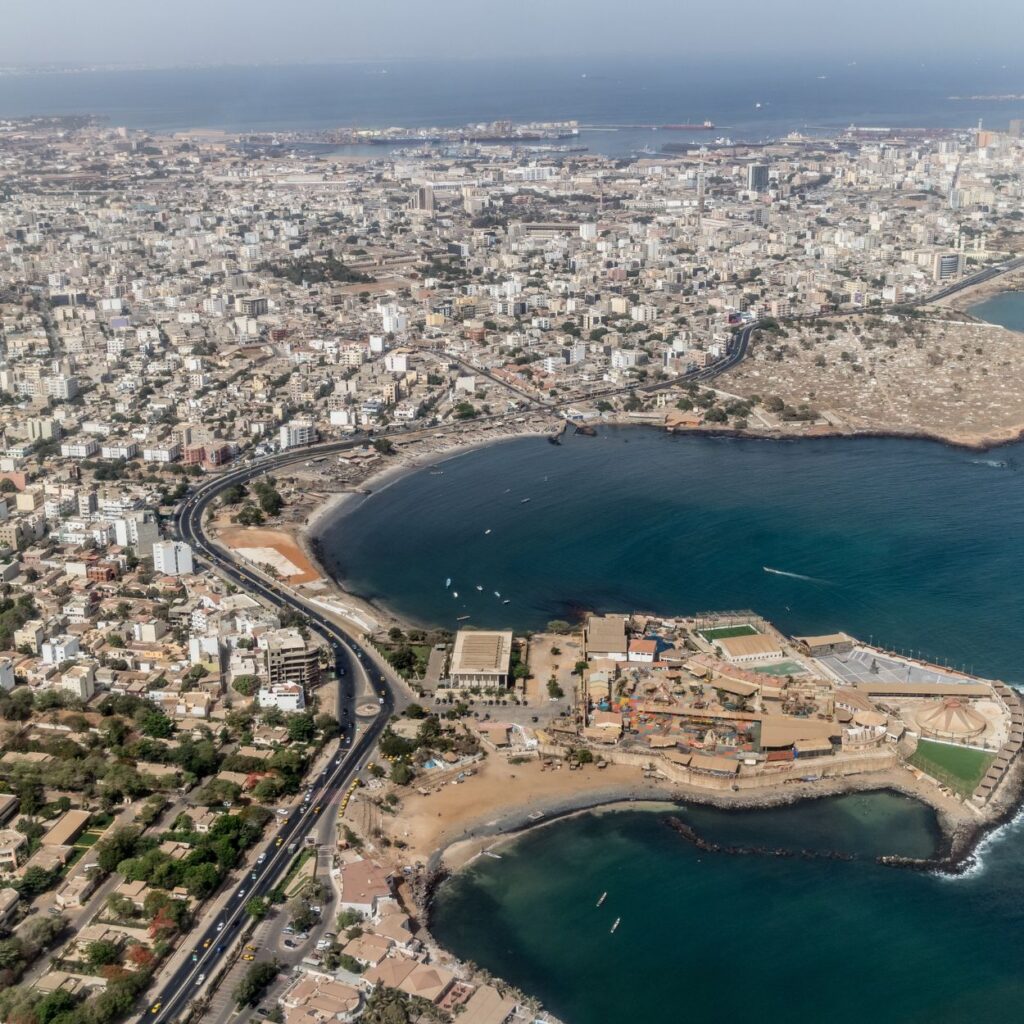
As global leaders gathered in Dakar last week for the High-Level Preparatory Meeting for the 2026 UN Water Conference, co-organised by Senegal and the United Arab Emirates, the message was unequivocal: water must move from the margins to the centre of our collective response to climate change, rapid urbanisation and growing inequality.
The stakes could not be higher for our continent. Africa is urbanising faster than any other region in the world, yet progress towards Sustainable Development Goal 6 remains alarmingly slow. More than half of sub-Saharan Africa’s residents still lack access to safely managed drinking water services, and the gap between what is needed and what is being delivered continues to widen. Beyond this present day challenge, the changing climate comes with a higher threat to the water we do have, as droughts and floods become more and more common.
It is against this backdrop that the reinvigoration of the African Cities Water Adaptation (ACWA) Platform, takes urgent and pressing steps forward.
From concept to action
Formally launched at COP27, the ACWA Platform has grown into a powerful coalition of more than 25 partners, including cities, research institutions, civil society organisations, development agencies and private sector actors, all united by a shared commitment to build water-secure urban futures across Africa.
Following a successful initiation phase led by the World Resources Institute, the Platform has entered an exciting new chapter. ICLEI Africa has taken on the role of hosting the Platform’s Secretariat, with continued support from WRI, positioning the coalition to drive greater coordination, advocacy, fundraising and knowledge sharing to expand its reach and impact.
This transition is more than administrative. It reflects a fundamental principle that lies at the heart of the Platform’s 2030 Joint Agenda for Urban Water Resilience in Africa: solutions must be African-led.
Eight principles for transformative change
What sets the ACWA Platform apart is a foundational set of eight guiding principles that challenge conventional approaches to development and water governance.
First, the agenda directly serves, impacts and empowers the most vulnerable, not as passive recipients, but as active participants with voice, knowledge and capacity to co-generate resilience solutions.
Second, the agenda is African-led, offering a reframing of the African narrative. Rather than perpetuating stories of poverty, scarcity and need, the Platform showcases the diversity of African expertise, talent, insight and innovation.
Third, the Platform embraces a “whole of society” approach, recognising that different actors all have a role to play in advancing urban water resilience, from local communities to national governments, from researchers to private investors.
Fourth, the agenda takes a systemic, holistic and integrated approach across jurisdictions, sectors, geographies and scales, acknowledging that water challenges do not respect administrative boundaries.
Fifth, the agenda is flexible and contextual. The principle of “no one size fits all” ensures relevance across Africa’s diverse contexts and the capacity to adjust to both anticipated and unanticipated changes.
Sixth, the agenda is grounded in empirical evidence, rooted in multiple ways of knowing, and builds on what works.
Seventh, the Platform operates in the spirit of genuine collaboration and partnership. It is inclusive, co-designed and co-owned by a diversity of stakeholders in a way that supports experimentation and learning.
Eighth, and crucially, the agenda requires full transparency, equal access to information, and a willingness to address power dynamics head-on.
Nine strategic priorities for implementation
These principles are translated into nine strategic priorities that provide a roadmap for action:
1
Prioritise the most vulnerable by increasing equitable water services provision in marginalised communities and informal settlements.
2
Plan for water by taking a holistic approach towards multiple uses and needs, addressing both the water catchment and water supply system.
3
Build capacities and capabilities by developing skills and leveraging exceptional African talent to strengthen the resilience of urban water systems.
4
Strengthen governance by shifting to systemic, collaborative and accountable urban water governance that is locally rooted.
5
Enable collaboration and partnerships by investing in multi-stakeholder collaboration across scales that remain locally grounded.
6
Build an inclusive urban blue and circular economy by valuing water assets, leveraging the potential of the blue and circular economy, and enabling innovation and job creation.
7
Leverage emerging technology by using digital and SMART technology for monitoring, increasing efficiencies and enabling citizen science.
8
Get finance right by increasing and aligning investments across sectors to support urban water resilience.
9
Create change at scale by building the enabling environment to increase both the breadth and depth of urban water resilience implementation.
Why this matters now
The Dakar meeting last week marked a critical milestone in the preparatory process for the 2026 UN Water Conference, which will take place in the United Arab Emirates in December. As countries, cities and partners come together to accelerate progress on SDG 6, the ACWA Platform stands ready to demonstrate what Pan-African, locally rooted, systemically designed urban water resilience can look like in practice.
The Platform’s approach celebrates African leadership and expertise, demands transparency and accountability and offers a model that extends far beyond water. It speaks to a broader vision of development that is collaborative, contextual and transformative.
As we look towards the 2026 Conference and beyond, the ACWA Platform’s reinvigoration under ICLEI Africa’s stewardship, with WRI’s continued partnership, signals a renewed commitment to turning the Joint Agenda’s vision into reality.
Water security is not simply a technical challenge to be solved. It is a question of justice, governance and collective action. The ACWA Platform provides both the compass and the coalition needed to navigate this complex terrain.
The time for incremental progress has passed. African cities, and the people who call them home, deserve bold, systemic and African-led solutions. The ACWA Platform is ready to deliver.