 Follow a
  See our
  View our
 Download the

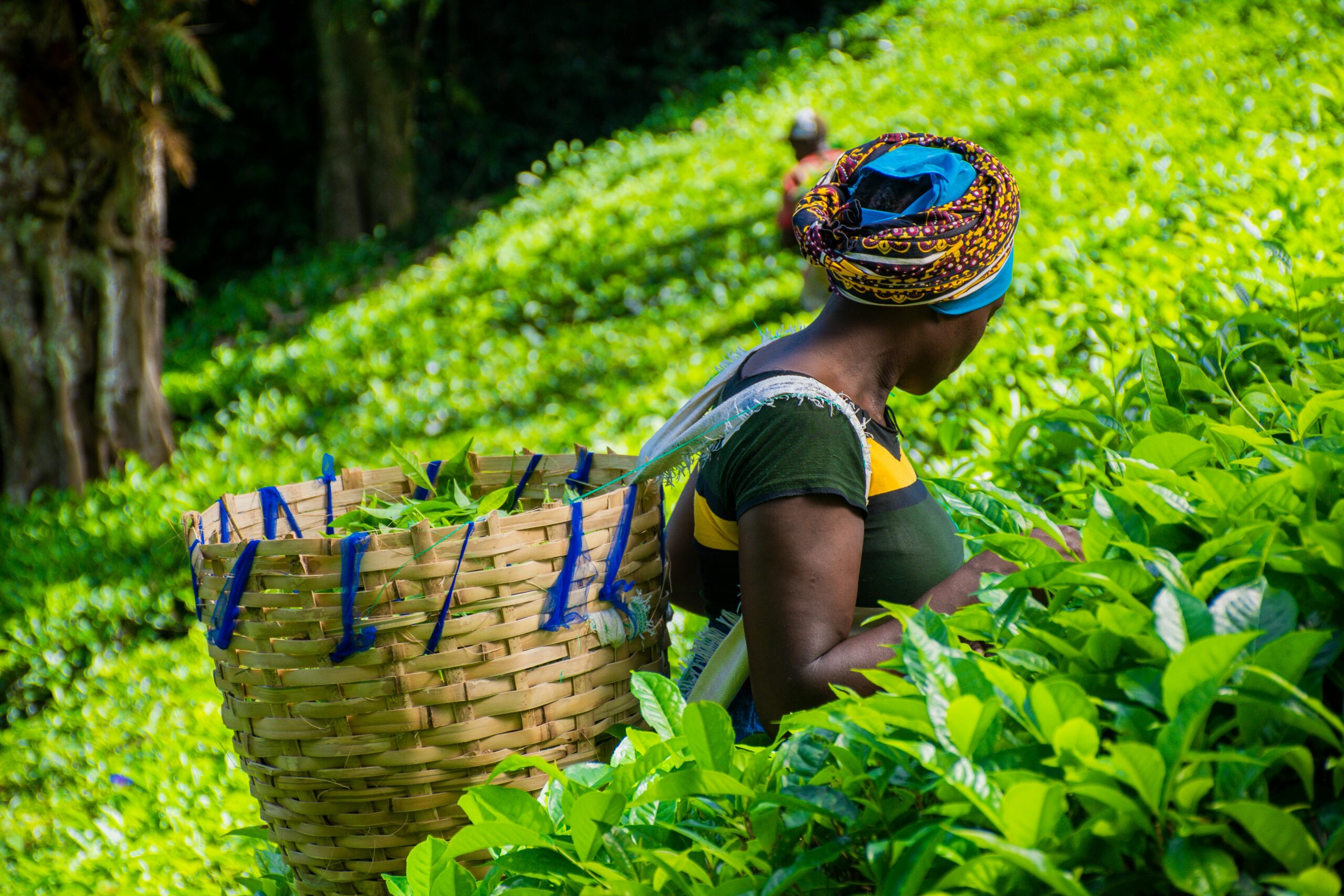

Cameroon is on the frontline of climate change. Nearly two million people are already living in drought-affected areas, with growing impacts on food insecurity, livelihoods, and local economies. But while the need for adaptation is urgent, access to finance remains one of the biggest barriers to action.
Across developing countries, adaptation finance needs are now 12-14 times greater than current international flows (Adaptation Gap Report 2025). Yet even where finance exists, it often does not reach local governments, limiting the ability of municipalities to implement practical, locally driven solutions.
Shifting the system, not just supporting projects
Through the BRokering Innovation for Decentralised climate finance & Gender Equality (BRIDGE) project, ICLEI Africa is working to address this challenge at a systematic level, improving both the quantity and quality of adaptation finance reaching local governments in Cameroon.
Rather than focusing only on individual projects, BRIDGE strengthens the broader ecosystem required to unlock finance. This includes building institutional capacity, improving financing mechanisms, and creating stronger linkages between municipalities and financial actors.
To date, over 50+ local intermediaries and municipal officials are now better equipped to design investable, climate-responsive projects and manage funding more effectively, and navigate complex financing processes
From dialogue to deal flow
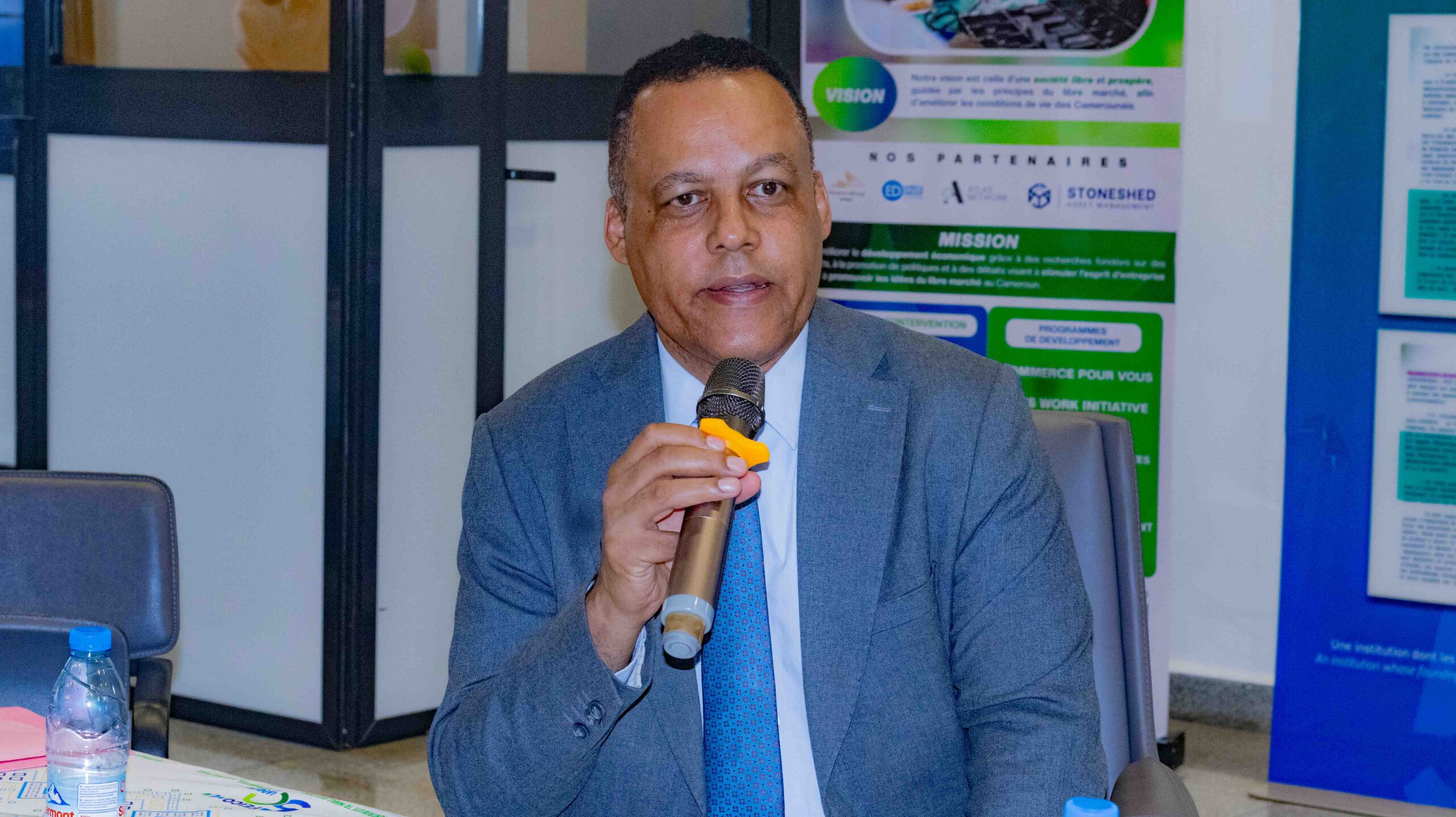
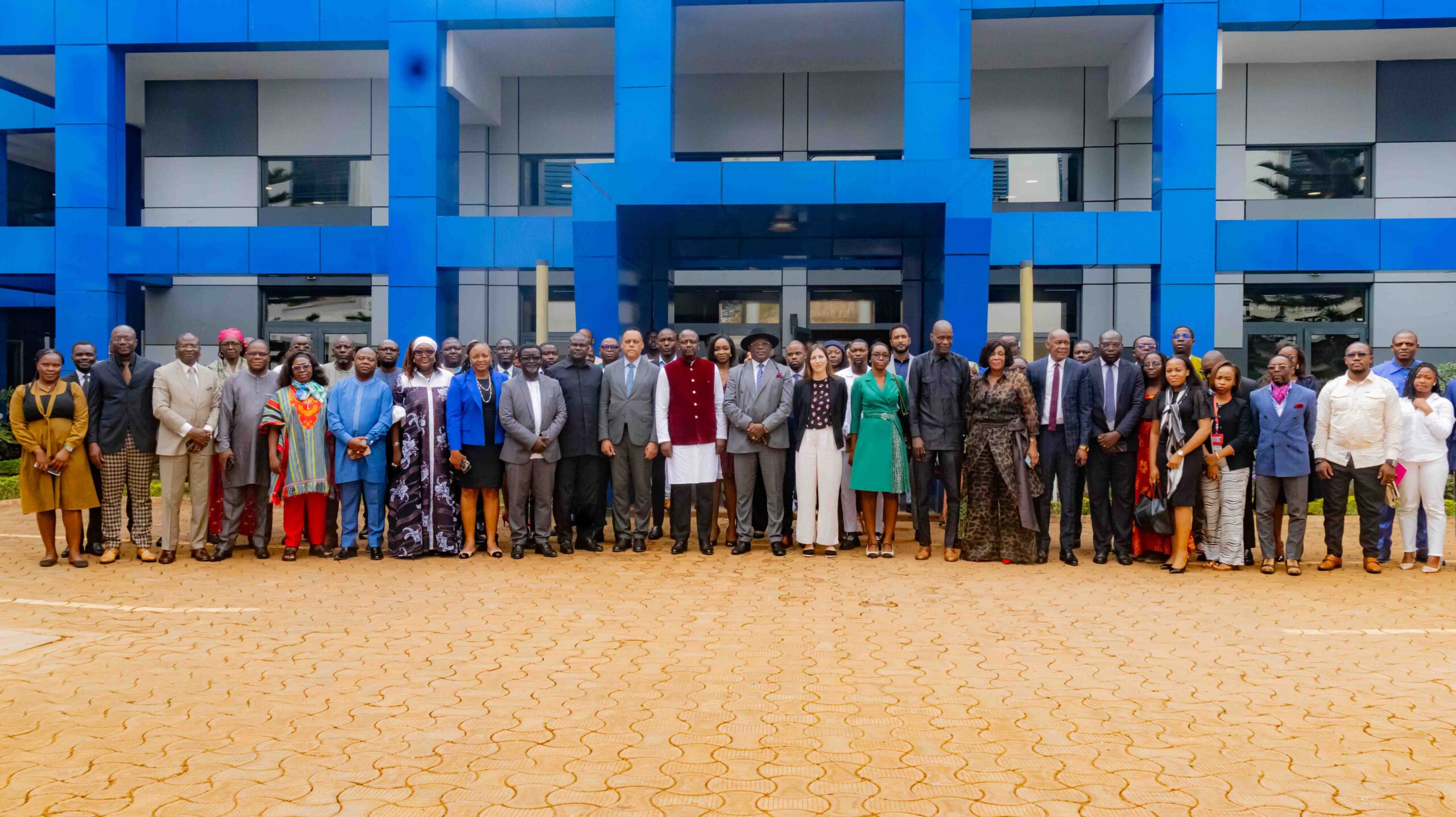
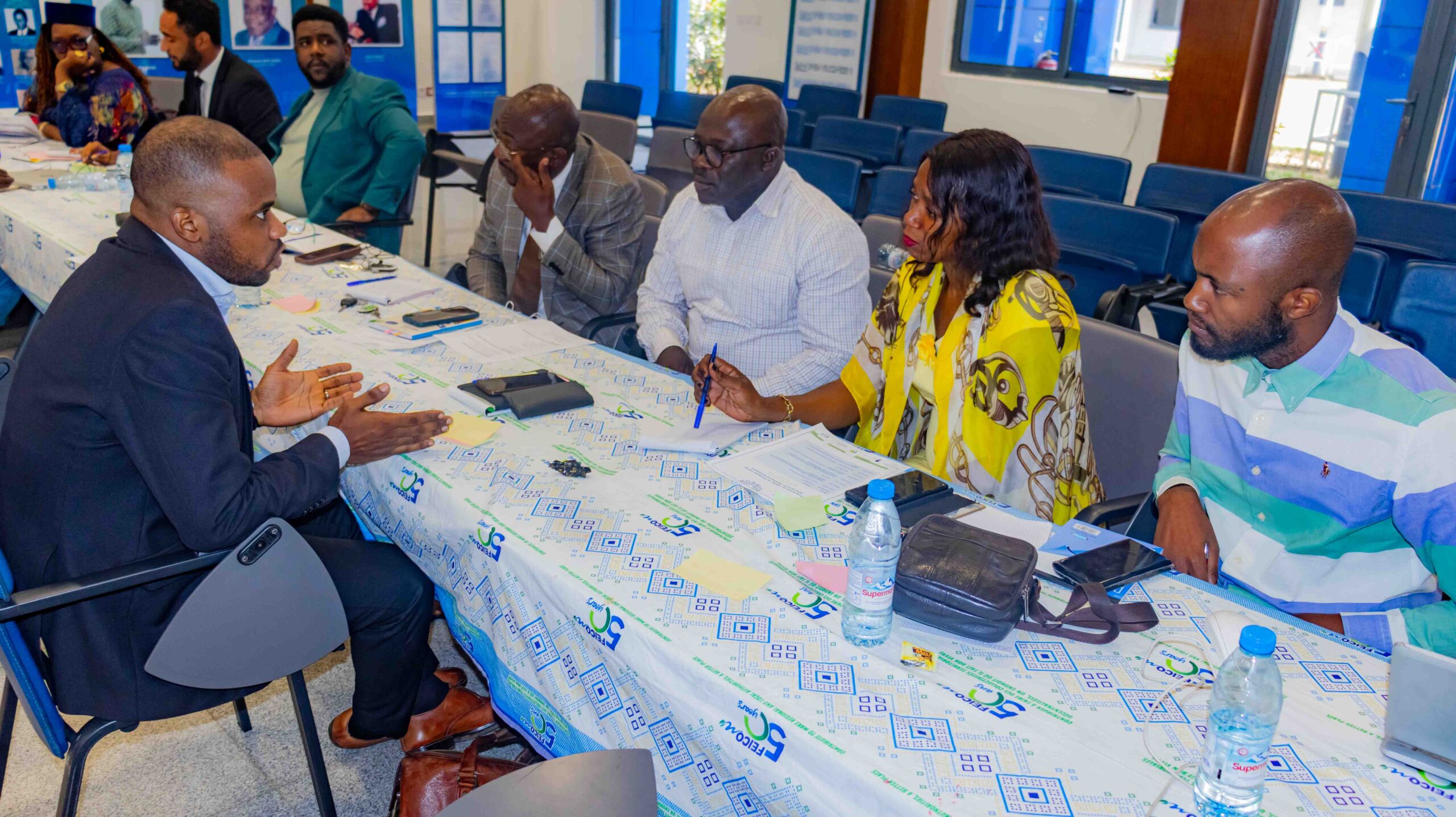
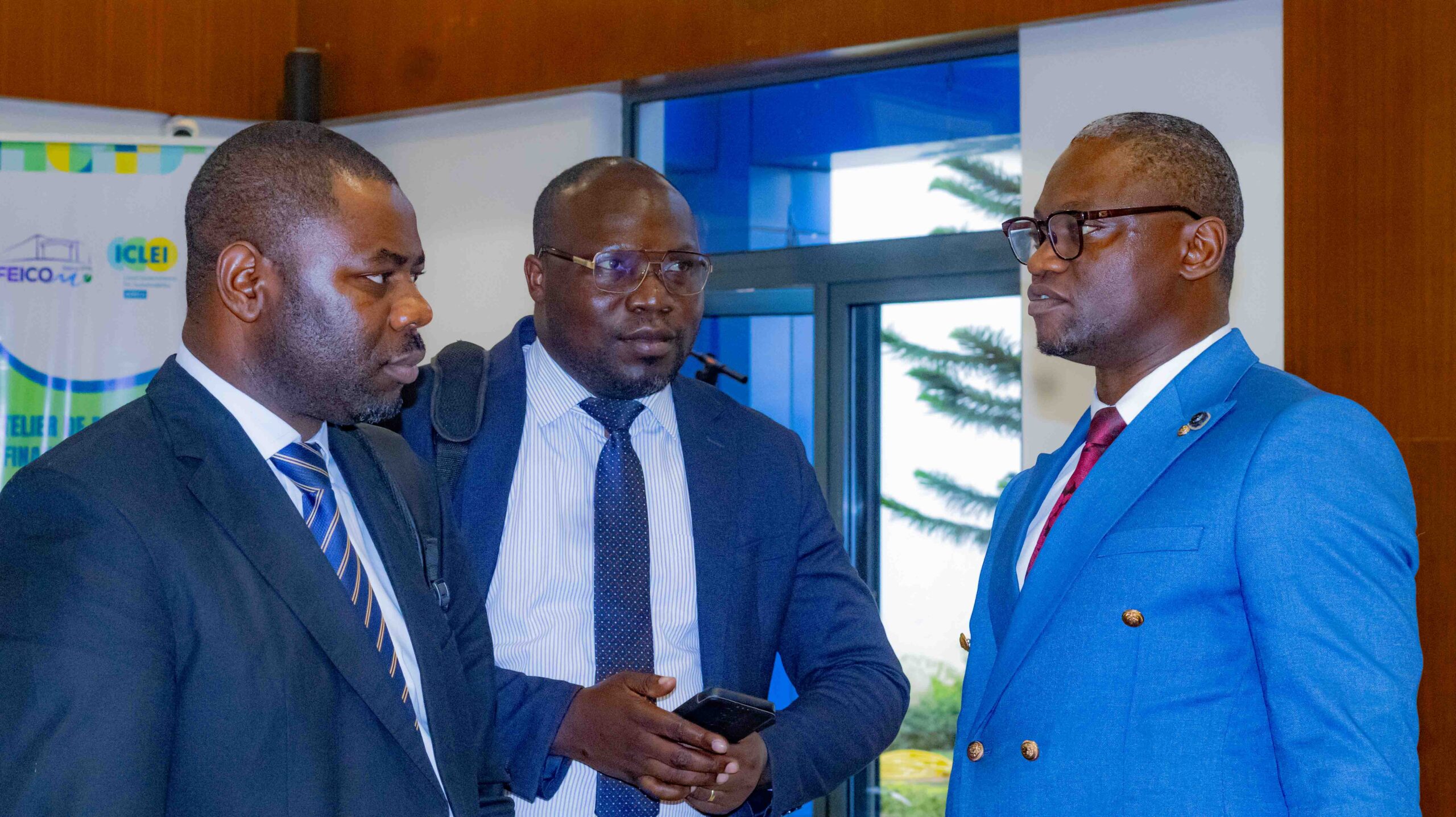
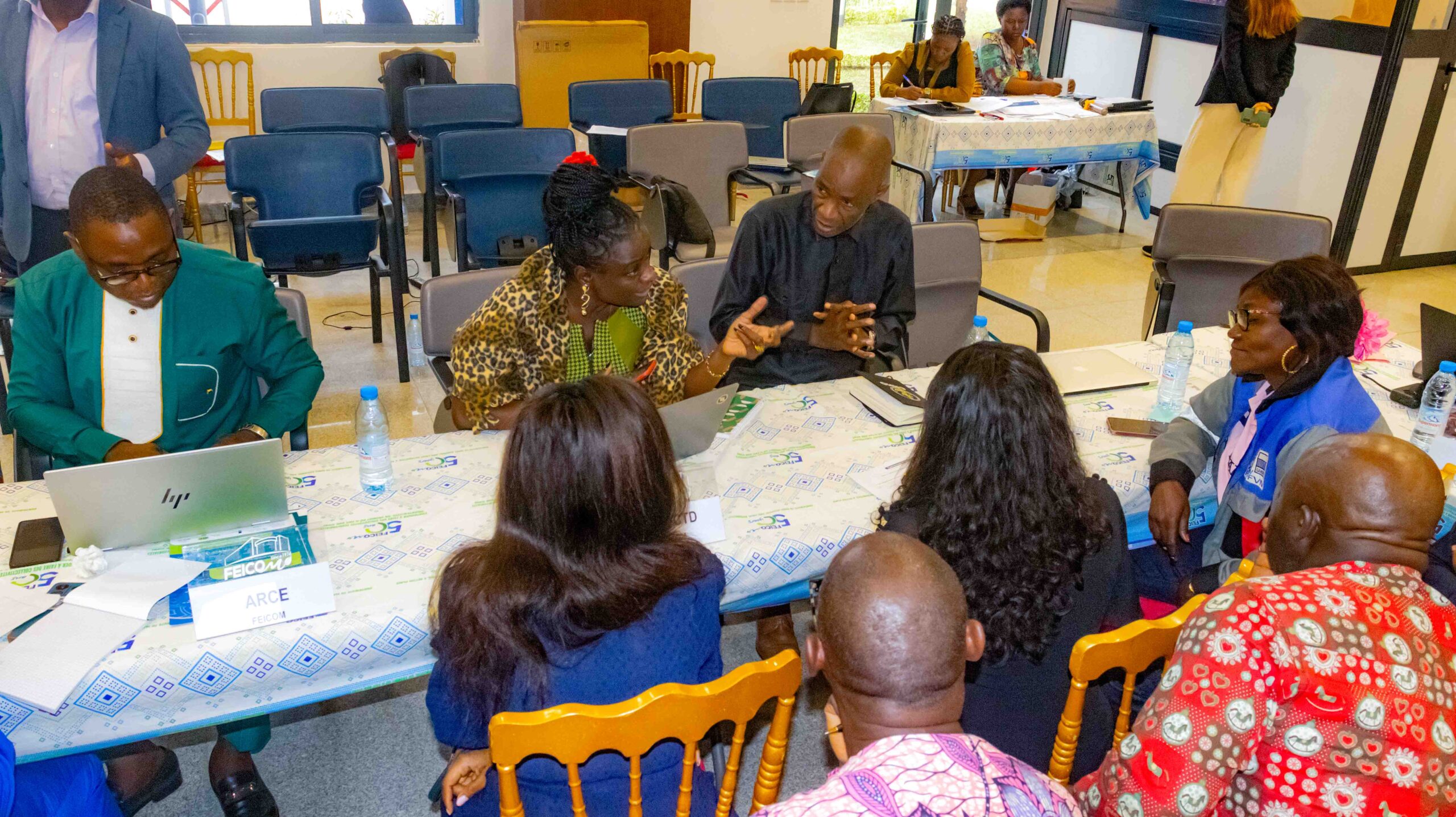
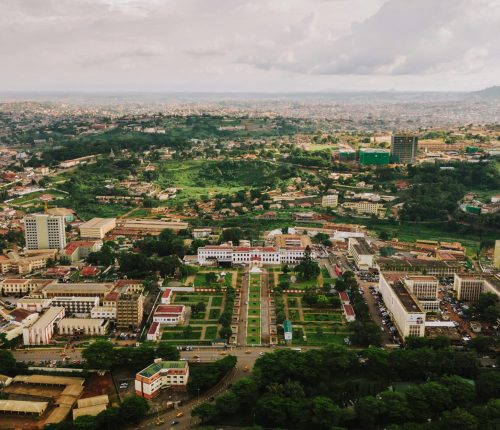
In March 2026, ICLEI Africa co-hosted a strategic convening in Yaounde (Cameroon) with FEICOM, Cameroon’s principal public financial institution for local development, and the Cameroon Economic Policy Institute (CEPI).
The convening brought together national government, municipalities, commercial banks, intermediaries, and development partners to focus on a critical question: How do we turn climate finance commitments into investable, locally led projects?
This work forms part of the BRIDGE project and the African Development Bank–backed IMPACT-CAM initiative, which is helping operationalise the FEICOM Climate Finance Window and develop a pipeline of investment-ready, gender-responsive adaptation projects.
The engagement revealed a clear set of systematic barriers:
- Limited capacity to structure investable projects
- Gaps in reliable, localised climate data
- Misalignment between municipal needs and financial institutions’ risk frameworks
- Complex and fragmented financial criteria
But more importantly, it identified practical solutions:
- Simplifying and standardising project evaluation criteria
- Strengthen climate data and risk analysis
- Improve governance and transparency frameworks.
- Build technical expertise in financial structuring
- Create ongoing dialogue platforms between municipalities and financiers
- Scaling impact through project aggregation across municipalities
Embedding climate resilience in public finance
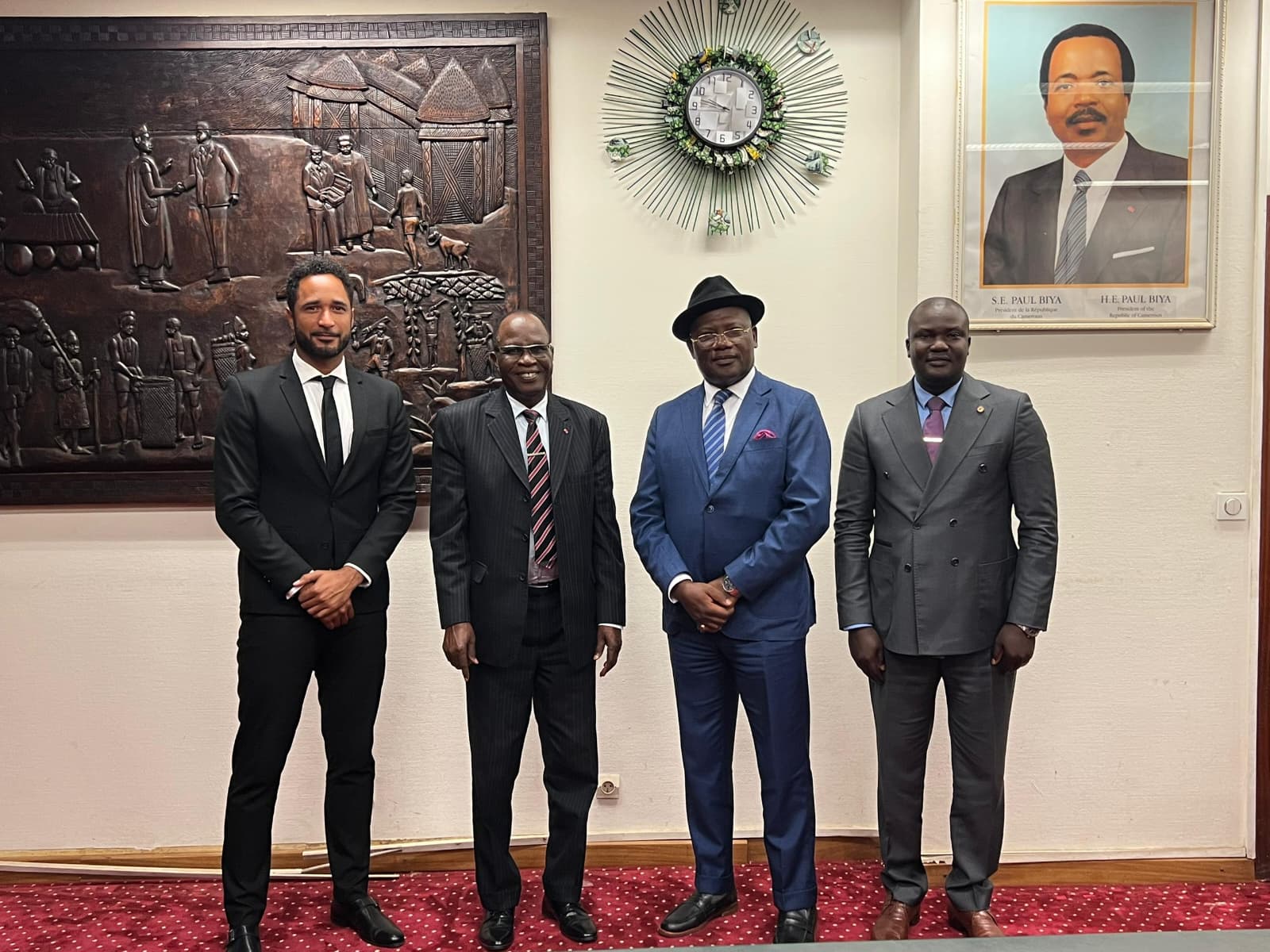
A key lever for change is ICLEI Africa’s partnership with FEICOM.
Through a formal cooperation agreement, the BRIDGE project is supporting the strengthening of FEICOM’s Climate Funding Window, helping to influence an annual investment budget of over USD 15 million in climate-responsive government projects.
This represents a critical shift: embedding climate resilience and gender responsiveness directly into national public financing systems.
To support this, ICLEI Africa has also developed an innovative adaptation finance mapping tool, improving transparency across Cameroon’s adaptation finance landscape and helping stakeholders identify funding gaps, overlaps, and opportunities.
Delivering tangible results on the ground
These systematic shifts are already translating into real-world impact.
In 2025, multiple Cameroonian municipalities accessed funding through FEICOM’s new climate funding window to implement locally led adaptation projects.
For example, Gazawa Municipality secured approximately 271 358 USD to implement:
- Reforestation programmes,
- Improved cookstoves initiatives,
- Climate-resilient food systems.
These investments are not only reducing climate risk, they are strengthening livelihoods and delivering tangible benefits to communities.
Unlocking adaptation finance at scale remains a challenge. But the BRIDGE project demonstrates that targeted capacity building, institutional partnerships, and improved financing systems can drive real change.
By strengthening intermediary institutions, improving financing mechanisms, and equipping local municipalities with the tools to access and manage finance. Cameroon is moving closer to a system where climate finance flows to where it matters most.
The BRIDGE project is part of the Step Change Initiative, funded by IDRC Canada and the Ministry of Foreign Affairs of the Netherlands.