
 Follow a
  See our
  View our
 Download the
7 October 2025
Creating healthier, more prosperous cities through food: ICLEI Africa is set to launch our African City Food Centre

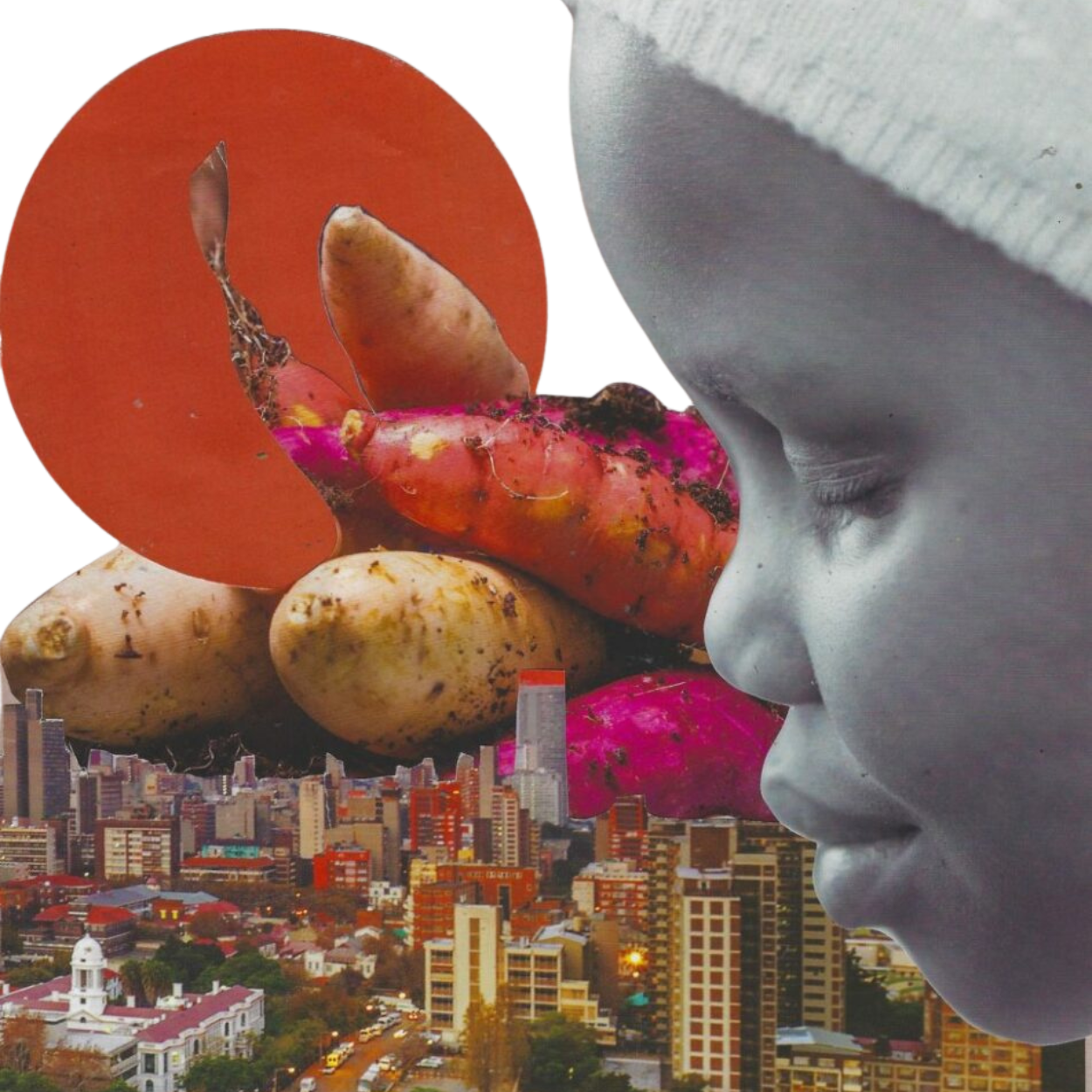

Fifty-four per cent of Africa’s population is currently living in urban areas, with 90 cities across the continent having over one million inhabitants. Africa is also home to the world’s fastest-growing urban population of 700 million people – a number that is set to double by 2050. At the same time African cities are increasingly battling with the double burden of hunger and obesity as diets shift for urbanising populations.
These figures illustrate both a great urgency and a valuable opportunity to reimagine and strengthen urban food systems in ways that create healthier diets, greater resilience and more prosperous cities for current and future inhabitants.
ICLEI Africa has long recognised that local and subnational governments are at the heart of urban food systems transformation, playing a decisive role in shaping how food is produced, distributed, sold and consumed within urban spaces.
To meet this challenge, on World Food Day 2025, ICLEI Africa is launching the African City Food Centre, a centre of excellence designed to strengthen the role of cities in building inclusive, resilient and sustainable food systems across the continent.
"My city's food system is growing in strength by the day. It may not be very strong now or adequately address everyone's needs, and there is definitely potential for better sustainability within the food system. It's a work in progress and Kisumu is ready to take it to the next level!"
John Sande, Senior Community Development Officer, Kisumu City, Kenya.
Building on strong foundations of urban food systems work in Africa
The African City Food Centre builds on ICLEI Africa’s three decades of experience working closely with local governments and committed partners on a wide range of sustainability issues. This includes dedicated work in the food systems arena involving peer-to-peer learning, implementing innovative social-technical interventions, nurturing entrepreneurial ecosystems, and supporting city leaders to integrate food into their broader sustainability agendas.
Our dynamic team of African professionals brings a unique blend of skills, experience and expertise, ranging from research to governance, to financing support and advocacy. Alongside our robust continental network of food project partners, we are deepening our work in co-creating solutions that are context-specific, gender-sensitive and youth-oriented.
The Centre advances ICLEI Africa’s food systems work across four interlinked thematic pillars with “strengthening networks and amplifying African voices” as a cross-cutting action connecting the four pillars:
Pillar 1: Enabling resilient food markets and infrastructure
Pillar 2: Centering children in urban food policy & practice
Pillar 3: Mainstreaming urban food governance & planning
Pillar 4: Celebrating Africa’s rich food heritage
Importantly, the Centre will support with ICLEI’s global CityFood programme, ensuring that African experiences and voices are represented in global dialogues, while also bringing global knowledge and resources to African cities. Grounded in African realities, yet internationally connected, the Centre showcases innovative approaches already being pioneered by African cities while helping to scale and replicate solutions across the continent.

"As the global coordinator of the ICLEI CityFood program, I welcome the African City Food Centre with its important role as a regional centre of excellence, and with its inspiring, hands-on working pillars that can make a difference on the ground to 'celebrate Africa's rich food heritage' and 'amplify African voices'!"
Peter Defranceschi, Head of ICLEI Brussels Office and Head of Global ICLEI CityFood Program.
"Africa is undergoing an unprecedented urban transformation. Food is one of the critical driving forces behind this transformation. And, at the same time, the way Africa’s urban food systems evolve in the next 10 years will also set the stage for whether our urban future is one of prosperity and hope, or of inequality and despair. Cities have a narrow window of opportunity to act with the right policies, cultures, capabilities and infrastructures. Better lives through food are possible, and the centre we’re launching will be the first of its kind in Africa to support African local governments in responding today for a better tomorrow."
Luke Metelerkamp, Team Lead, African City Food Centre and Senior Professional Officer: Urban Systems Unit, ICLEI Africa
Launching on World Food Day 2025
On World Food Day, 16 October 2025, ICLEI Africa will launch the Centre at the Milan Urban Food Policy Pact Global Forum. This high-level gathering of city leaders, policymakers, practitioners and researchers from across the world offers the ideal platform to introduce this pioneering hub for our food systems work that will bring African perspectives to the forefront of the international food systems agenda.
The ethos of the Centre – “Better lives through food” – resonates strongly with the 2025 World Food Day theme: “Hand in Hand for Better Foods and a Better Future,” highlighting how building more sustainable, resilient and inclusive urban food systems can simultaneously advance multiple development priorities. Such priorities include improving public health, strengthening rural–urban linkages, enhancing climate resilience, advancing gender equality and promoting economic inclusion.
Looking ahead
The launch of the African City Food Centre reflects our commitment to harnessing the power of food to build cities that are equitable and sustainable. Well-governed urban food systems lead to healthier people, stronger economies and flourishing cities.
From resilient food markets to child-centred policies and practices, mainstreaming urban food governance and planning to celebrating Africa’s rich culinary heritage, the Centre is a hub of knowledge, innovation and collaboration, showcasing practical solutions and amplifying African city-based leadership in shaping food systems that serve all people.
Explore the African City Food Centre webpage to learn more about our work on urban food systems.