From vision to strategy: Sharm El-Sheikh’s transition to a model green city
How can a tourism-dependent city grow while protecting the natural ecosystems on which its economy depends?

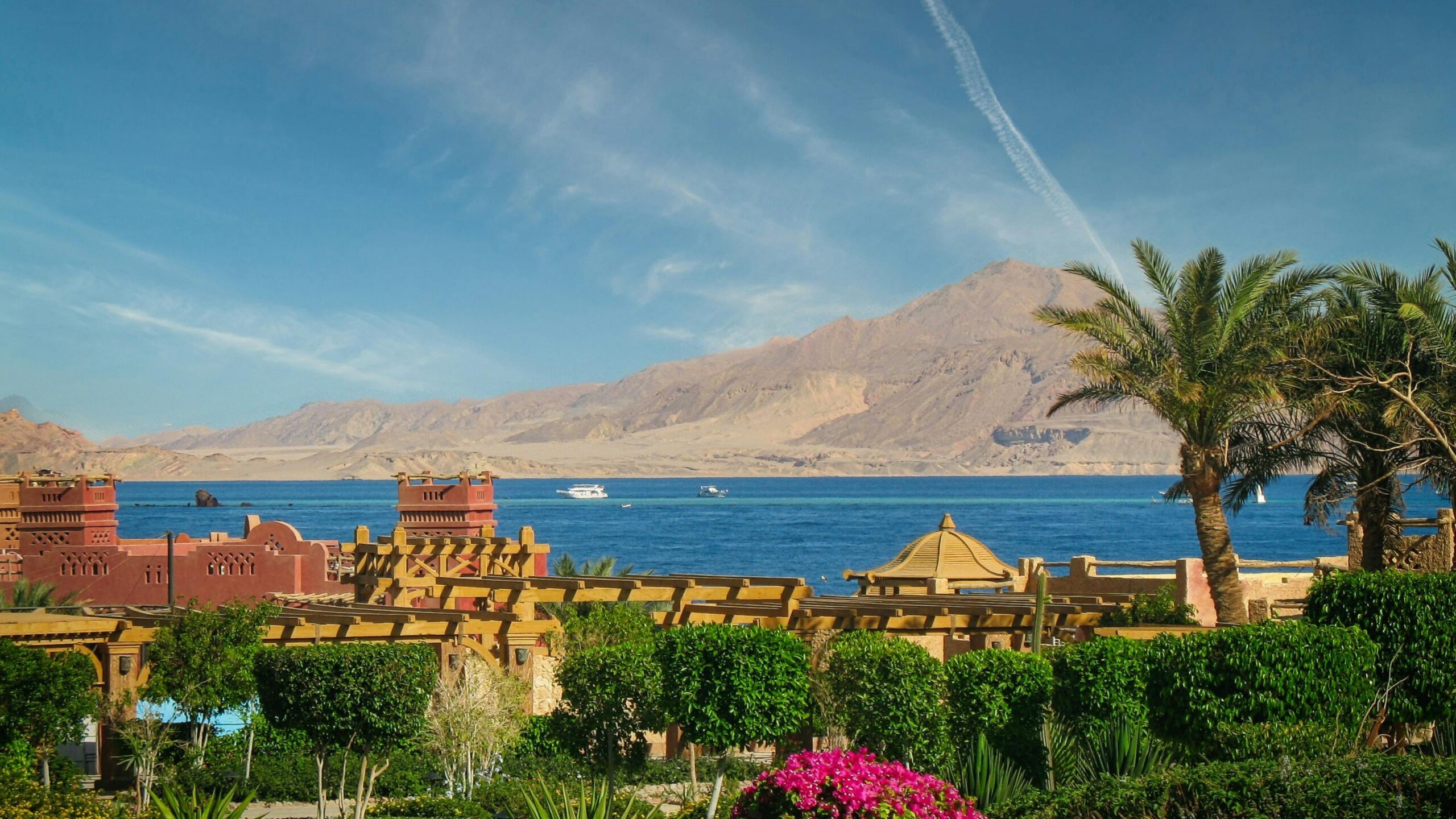
Sharm el-Sheikh is addressing this challenge through its Sustainable Environmental and Social Strategic Development Strategy (SESSDS), a long-term framework designed to reduce environmental impacts while enhancing economic opportunities, social wellbeing and climate resilience.
The strategy adopts a holistic, multi-sector approach across six key pillars: energy, water, waste, transport, biodiversity and community development.
In practice, this means:
Improving energy efficiency and reducing reliance on non-renewable sources
Enhancing waste and water management with resilient green infrastructure
Providing fossil-fuel-free transport
Preserving and improving biodiversity and ecosystem health
Elevating the quality of life for residents and visitors
Implemented by the Egyptian Ministry of Environment in partnership with UNDP, with support from GEF and close collaboration with the South Sinai Governorate, the Green Sharm el-Sheikh project follows a phased roadmap extending to 2028, 2030 and beyond.
Key environmental targets include:
Expanding the use of renewable energy and energy efficiency
Reducing and improving solid waste management systems
Enhancing water efficiency, including water reuse and desalination
Transitioning towards low-carbon transport systems
Protecting biodiversity, including coral reefs and marine ecosystems
Increasing green spaces to 9–12 m² per capita
One of the strategy’s most notable features is its recognition of nature as critical infrastructure, ensuring that tourism operates within ecological limits, particularly in protected areas such as Nabq and Ras Mohammed.
The strategy also emphasises community participation and inclusive development, engaging local communities in sustainable livelihoods and environmental stewardship. Supported by a blended financing model combining public investment, private sector participation, and international climate finance, Green Sharm el-Sheikh offers a replicable model for sustainable cities in the region.
Share on social:
Stay in the loop
Sign up to our newsletter
Sharing impactful, innovative and inclusive action in African cities and regions