
 Follow a
  See our
  View our
 Download the
18 August 2025
Lusaka: Building urban resilience and community empowerment in the heart of Zambia

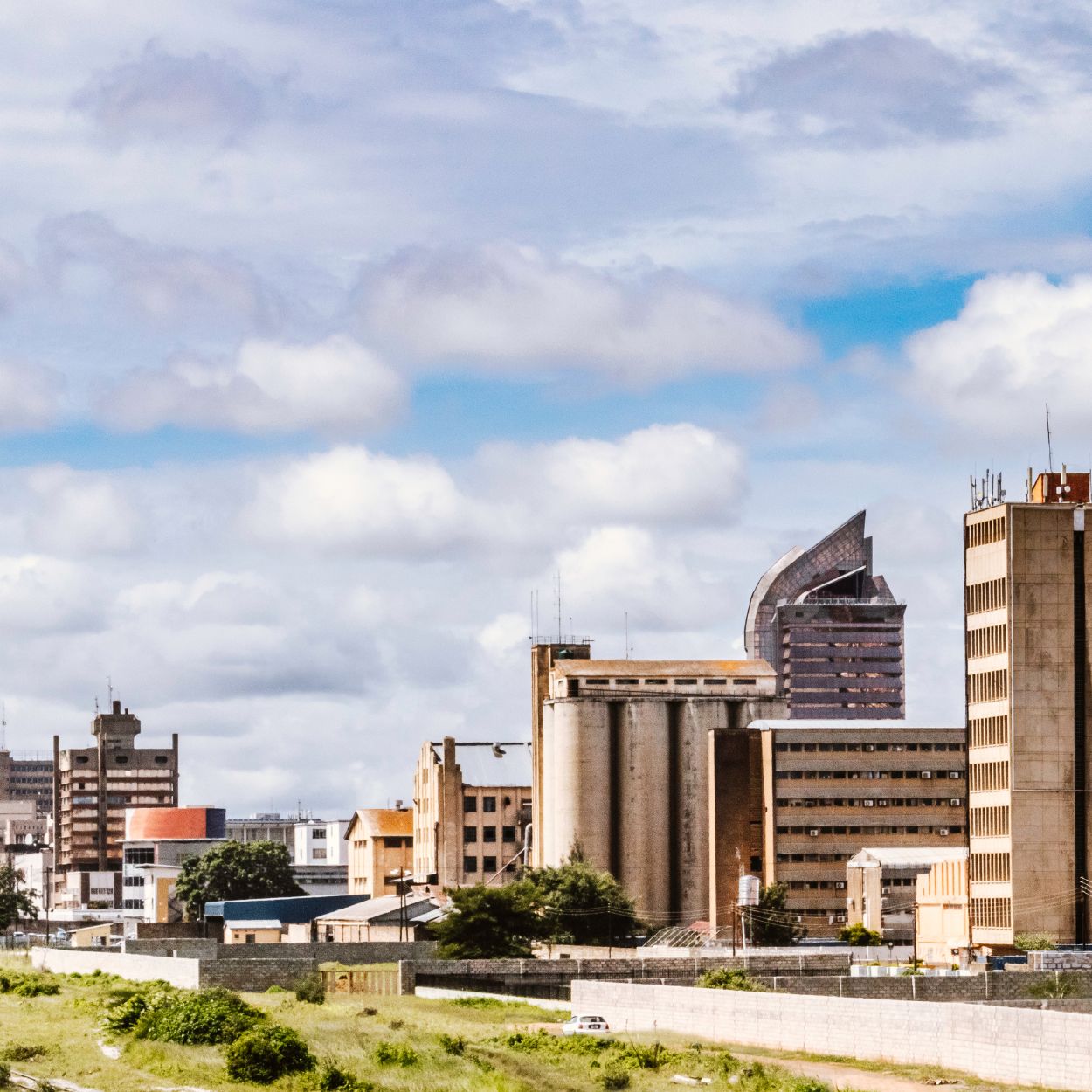

As the capital and largest urban centre in Zambia, Lusaka is a leader in building urban resilience, inclusive governance, and sustainable development across South Africa.
A governance model rooted in resilience
As an active ICLEI Member since 2017, Lusaka has consistently collaborated with ICLEI Africa and global partners to translate its climate ambitions into action. Through participation in diverse projects, Lusaka demonstrates how integrated, evidence-based urban planning can enhance resilience, food security, mobility, and disaster preparedness.
With a population of more than 3 million, Lusaka is Zambia’s capital and one of four city councils in Zambia that operates under a governance framework that values democratic participation. Led by Mayor Chilando Chitangala, elected in 2021, the Lusaka City Council (LCC) manages everything from infrastructure and waste services to climate adaptation and citizen engagement. The city council, made up of 36 elected members, works closely with national ministries and partners to deliver services and foster inclusive development. In her regional leadership role, Mayor Chitangala serves as Chairperson of the ICLEI Africa Regional Executive Committee (RexCom) for 2024–2027, where she champions the portfolio of Resilient Development.


Our collaboration with ICLEI has been instrumental in shaping Lusaka’s resilience agenda. Through shared learning, technical support, and regional platforms, we’ve been able to strengthen our climate strategies and amplify the voices of our communities. It’s a partnership that continues to open doors for innovation, capacity building, and inclusive urban development.
Mayor Chilando Chitangala of Lusaka City Council, Zambia, and Chairperson of ICLEI Africa RexCom (2024–2027)
From plans to impact: Lusaka’s sustainability journey in action
Lusaka has demonstrated strong leadership in urban sustainability by partnering with ICLEI Africa and global partners on a range of forward-thinking initiatives. These projects respond directly to the city’s pressing challenges, from devastating floods and recurring cholera outbreaks to food insecurity and mobility constraints, while building a resilient, inclusive future for all residents.
In January 2023, Lusaka experienced severe flooding, affecting more than 18,000 people and displacing hundreds of families. Like previous flood events, such as the 2017–2018 season that exacerbated a cholera outbreak, this underscored the city’s urgent need for integrated, inclusive disaster risk planning. Lusaka’s response has focused on emergency preparedness and long-term, system-wide resilience through innovative partnerships.
Disaster resilience and planning
One such ongoing initiative is the Disaster Risk Reduction in African Cities (DRR4Africa) project (2023–2025), which equips Lusaka with data-driven, participatory tools to better understand and mitigate climate-induced hazards, especially in vulnerable communities. The project supports the co-development of a city-specific roadmap that guides future disaster planning and builds institutional capacity. DRR4Africa aligns with Lusaka’s broader vision to shift from reactive disaster response toward anticipatory and inclusive resilience planning. This makes it a key innovation in how the city is rethinking urban risk governance in the face of intensifying climate threats.
Earlier efforts like SURe Water 4 Africa (2014–2017) laid the groundwork by bringing together stakeholders to develop flood resilience strategies through participatory planning. These interventions helped Lusaka strengthen its local planning systems and laid an early foundation for building community-centred resilience.
Civic engagement and inclusion
Efforts to build resilience have gone hand in hand with a focus on inclusive governance. The SEMCCA project (2020–2022) enhanced collaboration between civil society and local government to address water security and public participation. It created platforms for dialogue and trust-building between communities and decision-makers, ensuring that climate and development actions reflect the priorities of those most affected.
Likewise, through the Bloomberg Youth Fund, Lusaka is empowering young people to participate in shaping their city’s sustainable future—an important step in fostering intergenerational equity and civic ownership.
Food and mobility systems
A key part of Lusaka’s resilience-building journey has involved strengthening the city’s food systems, improving climate-informed planning, and enhancing sustainable mobility.
The FRACTAL project (2015–2021) laid an important foundation by improving Lusaka’s understanding of local and regional climate systems. Through a collaborative approach between scientists and city actors, the project co-produced knowledge that helped integrate climate science into urban policy and planning, particularly in sectors such as food security, water, and disaster risk management.
Following this, the TUMI initiative (2018–2019) supported Lusaka in developing more sustainable transport systems through technical guidance and financial support. It enabled the city to plan for more efficient, low-emission mobility options that benefit both the environment and residents’ quality of life.
Building on this groundwork, FS-Invest (2020–2022) identified priority investment opportunities for sustainable and resilient food systems in partnership with the Food and Agriculture Organization (FAO). The project supported the city in strengthening food security while contributing to broader climate adaptation goals.
Regional leadership and learning
Beyond project implementation, Lusaka plays a key leadership role in regional peer learning. As a member of the Covenant of Mayors for Sub-Saharan Africa (CoM SSA), the city contributes actively to knowledge exchange and regional cooperation on climate and energy. City-to-city exchanges have also enabled Lusaka to share lessons learned while drawing inspiration from other African cities navigating similar challenges.
Lusaka also engages in global learning, such as the 2016 Lusaka-Kigali city exchange, which fostered peer learning on renewable energy, disaster preparedness, and governance innovations. In 2024, Lusaka was selected to join the Bloomberg Philanthropies Youth Climate Action Fund, empowering young people to co-design climate solutions with the city. This initiative reflects Lusaka’s strategic focus on intergenerational equity and inclusive development.
Additionally, as a member of the Regional Mayors Forum (RMF) of the Covenant of Mayors in Sub-Saharan Africa (CoM SSA) and former RMF Vice Chair, Mayor Chitangala advocates for bold climate action, and champions gender equality, climate finance, waste management, and capacity building—amplifying Lusaka’s voice in shaping Africa’s urban future. In April 2024, Lusaka became a signatory to CitiesWithNature, affirming its dedication to biodiversity protection and ecosystem restoration in urban areas. The city is also a member of the Cities Race to Resilience, reporting through the CDP-ICLEI Track, and has committed to aligning local strategies with global resilience targets.
Looking ahead: A vision for sustainable urban transformation
From food security to flood resilience, Lusaka’s journey with ICLEI is defined by collaboration, innovation, and deep community involvement. Through active participation in global networks, pioneering data-informed planning, and a strong political commitment, Lusaka is charting a path toward a more inclusive and climate-resilient urban future.
“My vision for Lusaka is grounded in resilience, equity, and opportunity. We are building a city where every citizen can shape and benefit from sustainable development. Leadership means listening, learning, and leading with purpose, and I am proud of how Lusaka continues to rise to that challenge.” – Mayor Chilando Chitangala.
As Zambia’s largest urban centre and capital city, Lusaka’s experience shows how African cities are transforming their daily challenges into opportunities for sustainability, regional leadership, and local empowerment.