 Follow a
  See our
  View our
 Download the
11 December 2025
Major market upgrades: Building more resilient, nutrition-sensitive fresh food markets in Lilongwe and Lusaka

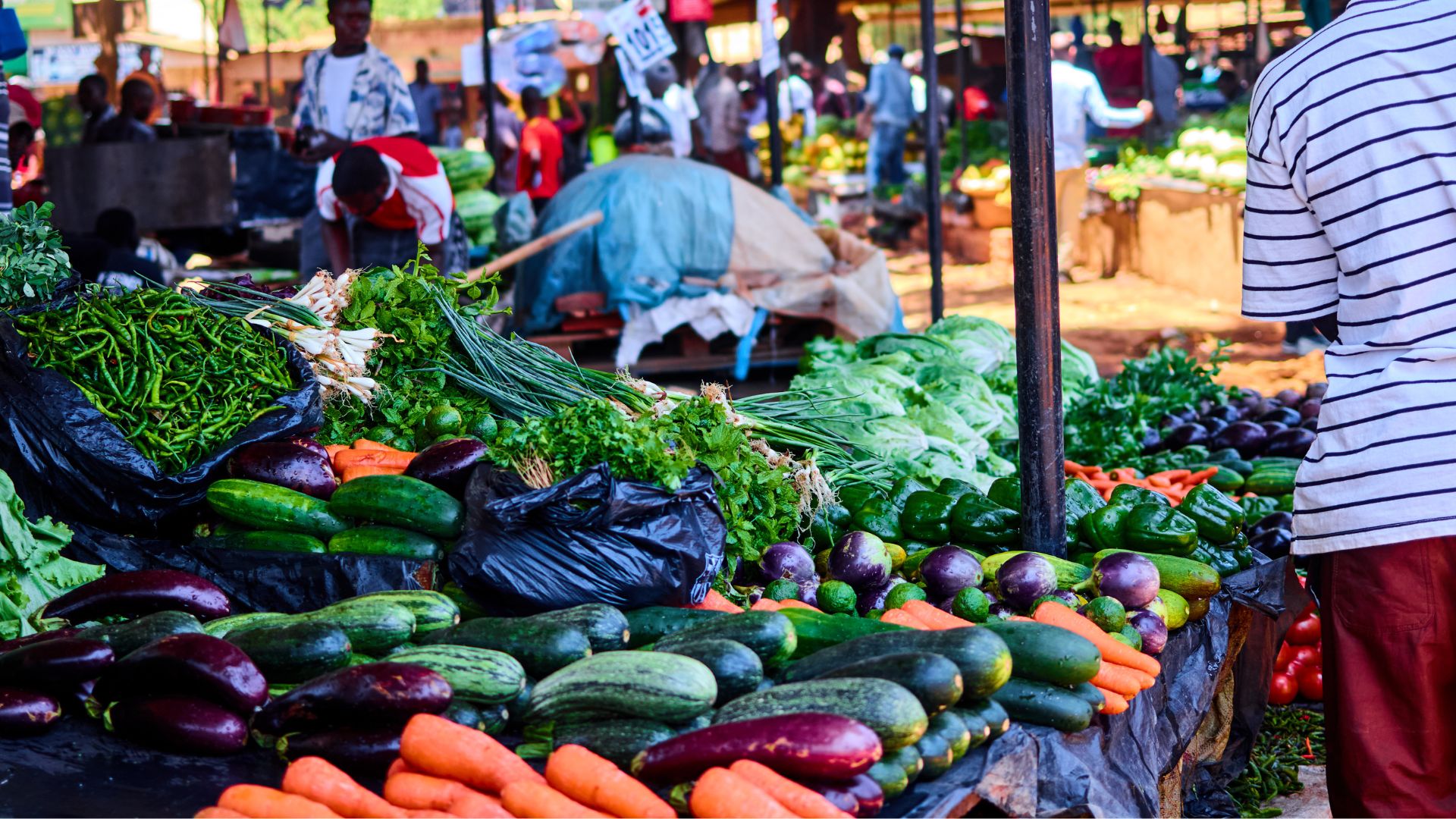

Urban fresh food markets are central to creating community connections, supporting livelihoods and building resilient food systems that make healthier food accessible to all. Yet, many of these markets face persistent challenges with infrastructure, governance and food safety. The Strengthening Fresh Food Markets for Healthier Food Environments project, implemented by ICLEI Africa, has achieved major milestones in Lusaka and Lilongwe, showing that targeted investments into infrastructure improvements can ensure markets remain hubs for nutritious, safe, and affordable food.
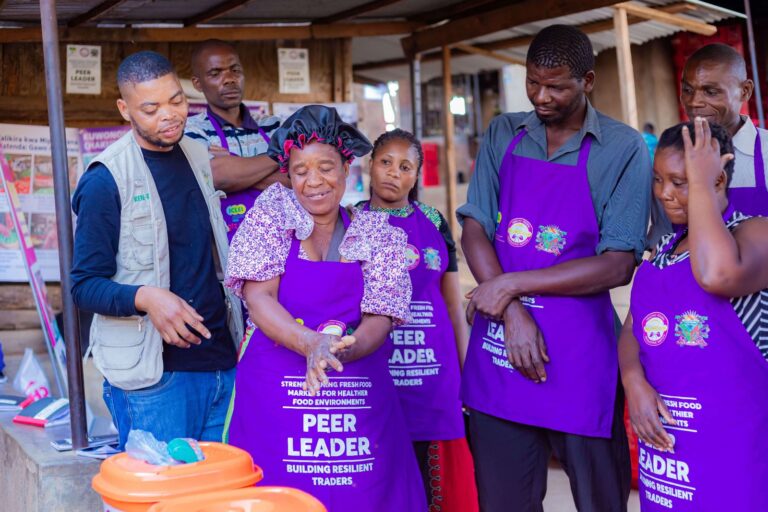
Following a comprehensive eight-month process (March to November 2025) of market assessments and stakeholder engagements, infrastructure upgrades were rolled out in each city’s respective pilot market. These improvements to clean water access, drainage systems, trading stalls, roofing and waste management facilities are already translating into more hygienic environments, improved market operations and increased food safety. Alongside these upgrades, traders from each pilot market took part in a training programme that prioritised peer-to-peer learning and practical lessons, delivering modules on food safety, business skills, food preservation and branding, and local food regulations. This work lays a solid foundation for developing replicable models that can be expanded to other markets, thereby improving nutrition outcomes and creating healthier, thriving cities.

Why investing in fresh food market infrastructure matters for nutrition
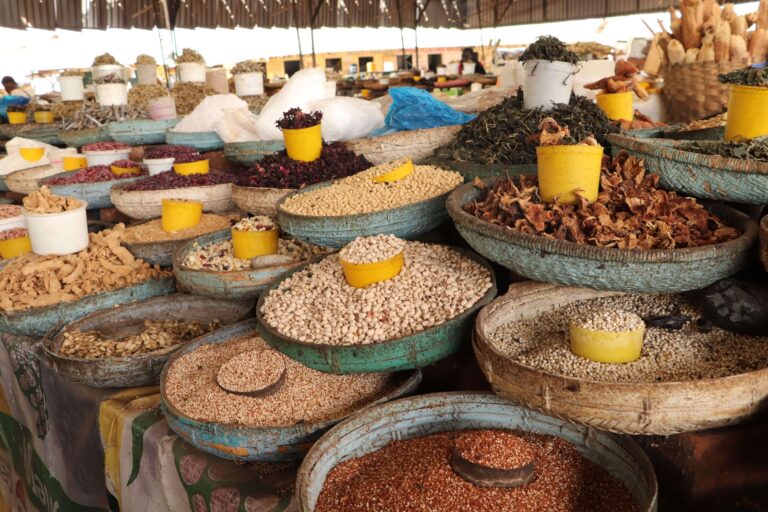
Traders at fresh food markets link households to a wide range of fresh, nutritious foods on a daily basis, from local staples to seasonal indigenous vegetables. They advance food security by providing a consistent supply of more affordable healthier food options and are often located closest to where local people in cities such as Lilongwe and Lusaka live.
Market infrastructure has significant impacts not only on market operations but on food safety too. Well-maintained facilities, clean water, proper drainage and good waste disposal reduce food spoilage and contamination risks which, in turn, protect consumer health, preserve the nutritional value of produce and safeguard trader income. Poor infrastructure, by contrast, undermines food quality, erodes customer trust and threatens livelihoods. Strategic collaboration and investment into nine key areas of action is thus essential to ensuring that fresh food markets are leveraged as a means of improving food security and dietary habits.
From planning to action
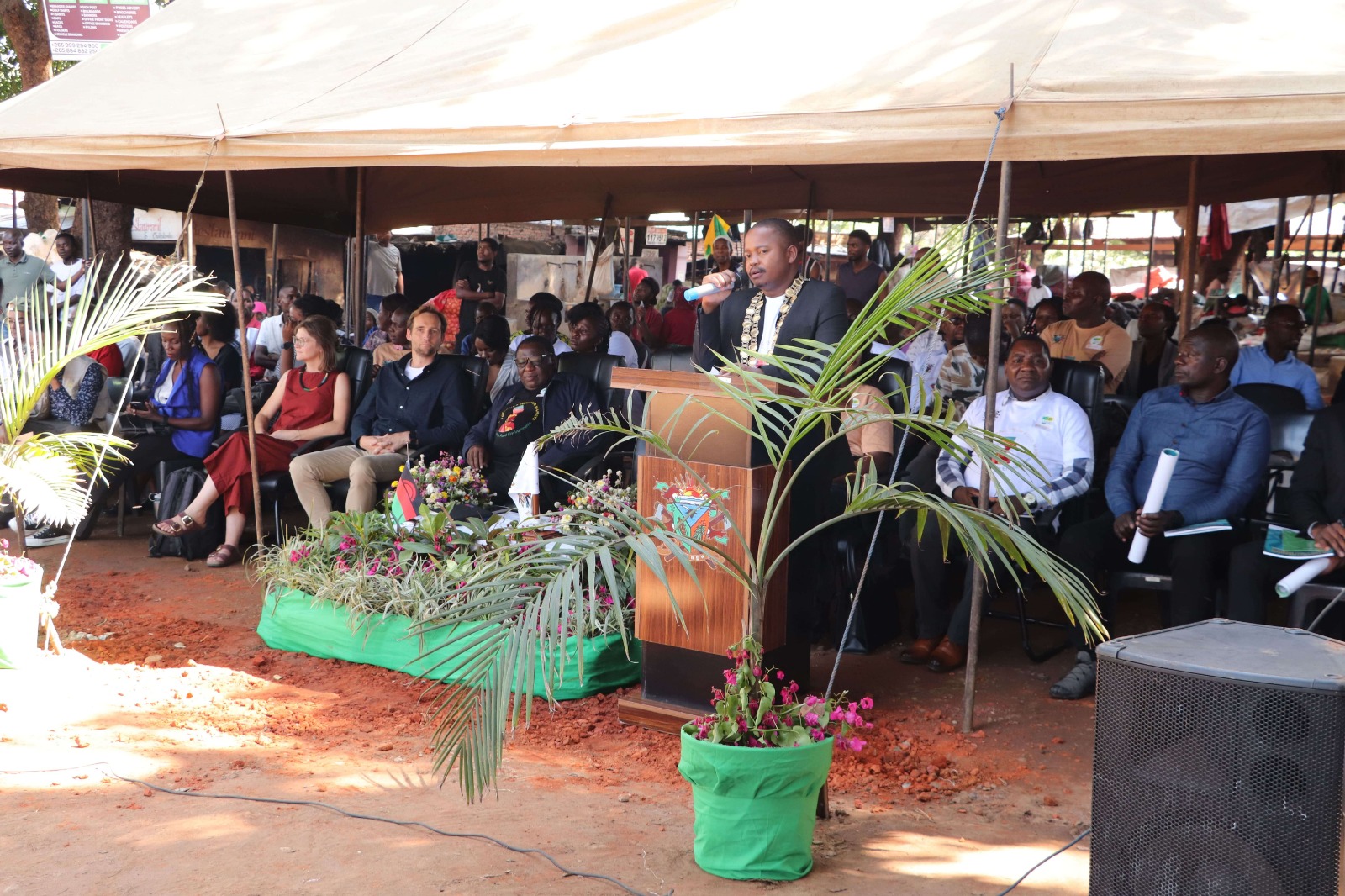
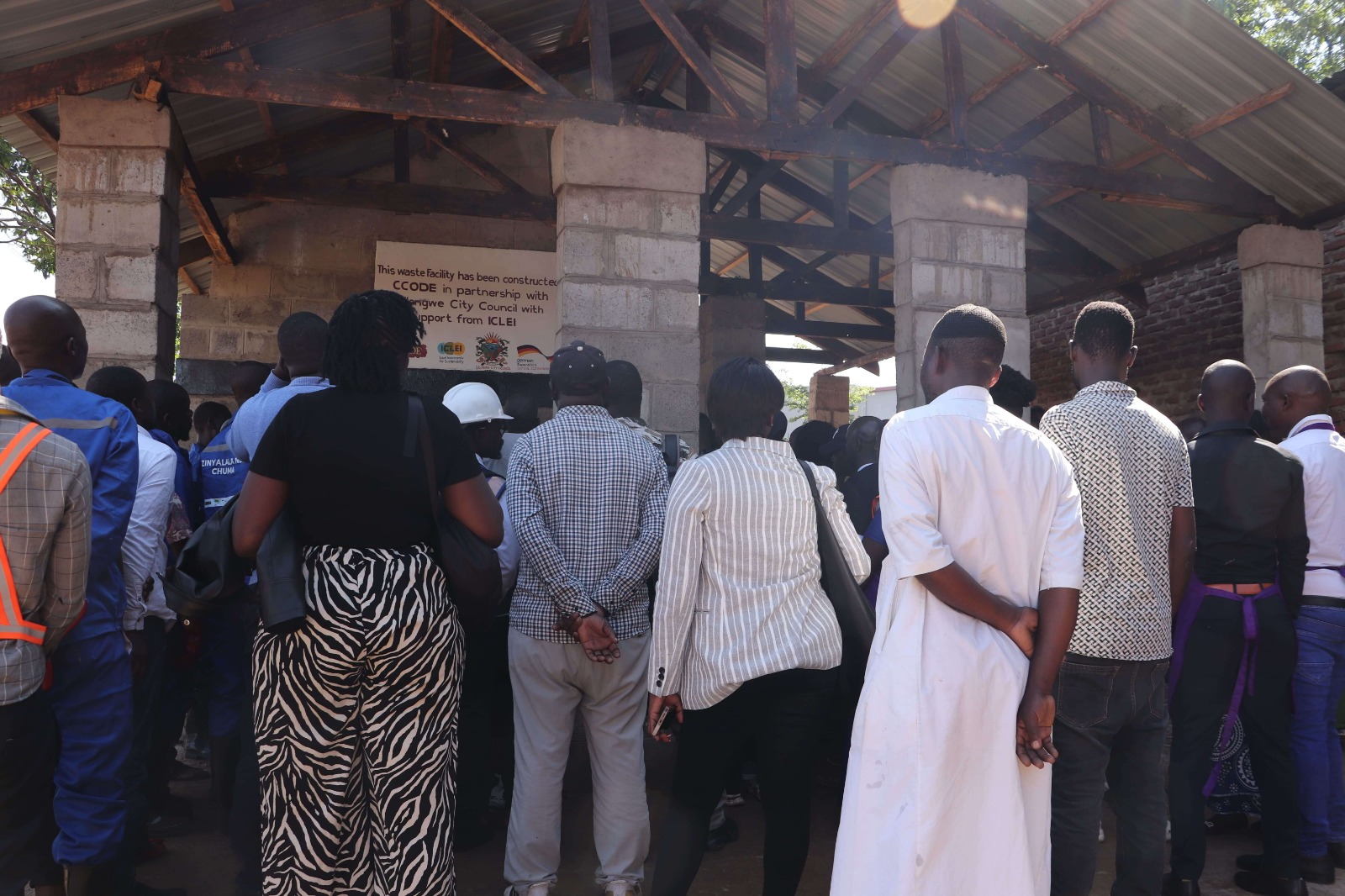
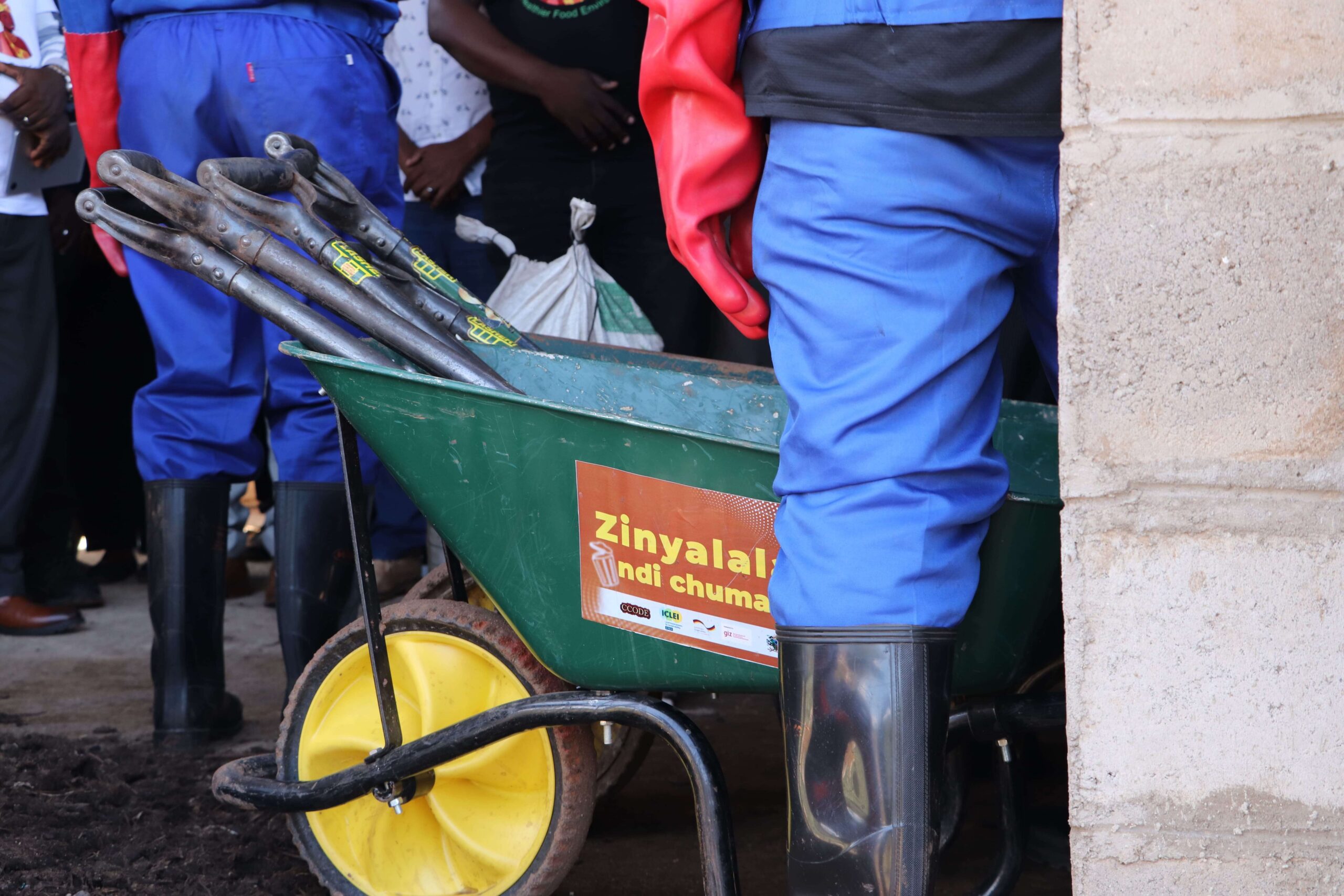
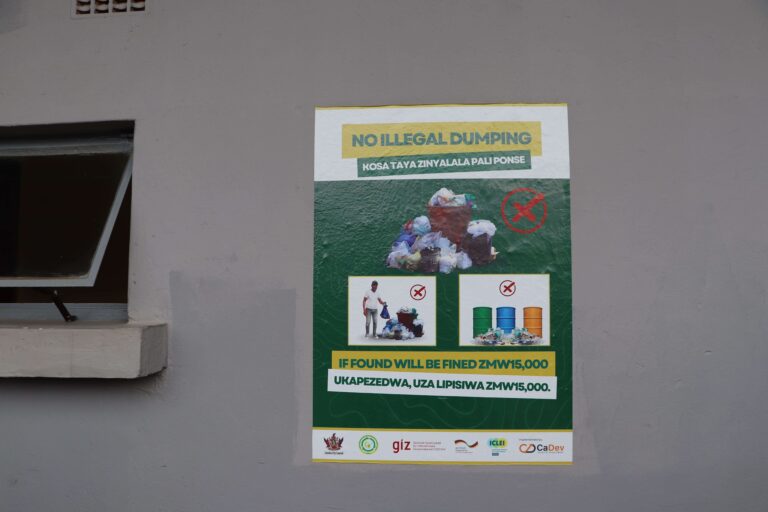
Alongside Lilongwe City Council, the Centre for Community Organisation and Development (CCODE), Water Engineering & Sanitation Services (WESS), NutriCare Malawi and other partners, ICLEI Africa has implemented various upgrades at the Lizulu Horticulture Market including improvements to roofing and trading structures, and waste management systems. Officially presented at a launch event by Lilongwe City Mayor Peter Alex Banda, the roofing structures will allow traders to continue supplying fresh produce during the rainy season, while the new waste management facility has provided a dual benefit of both cleaning up the market while also creating additional revenue streams for waste-entrepreneurs who are now making compost from the market’s organic waste. Traders designated as Peer Leaders at Lizulu will remain central to maintaining hygiene standards, ensuring effective waste management, and upholding food-safety practices.
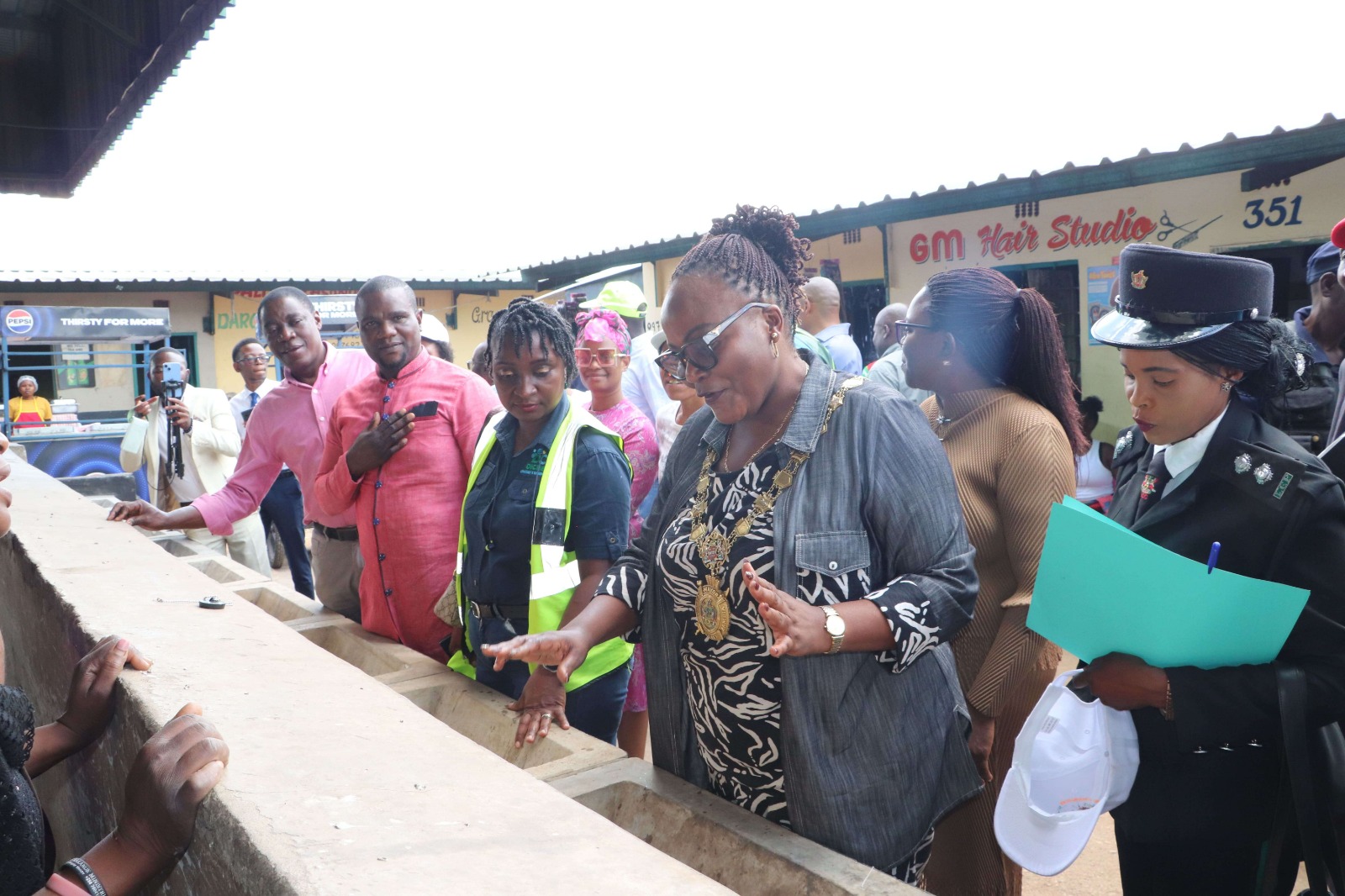
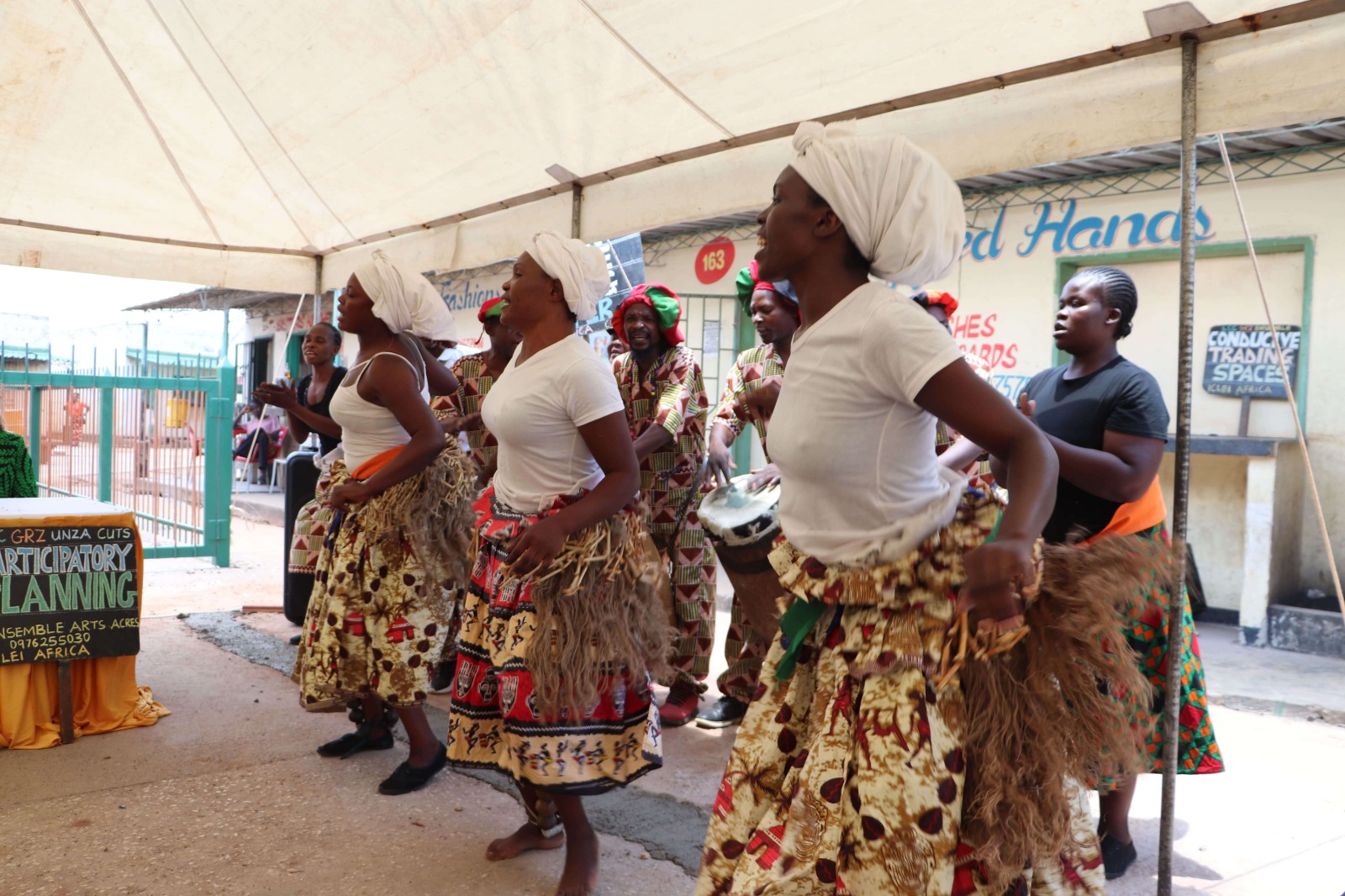
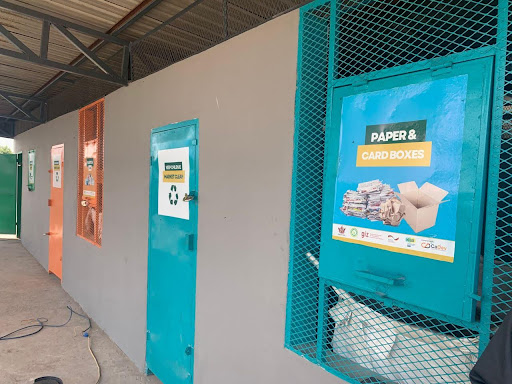
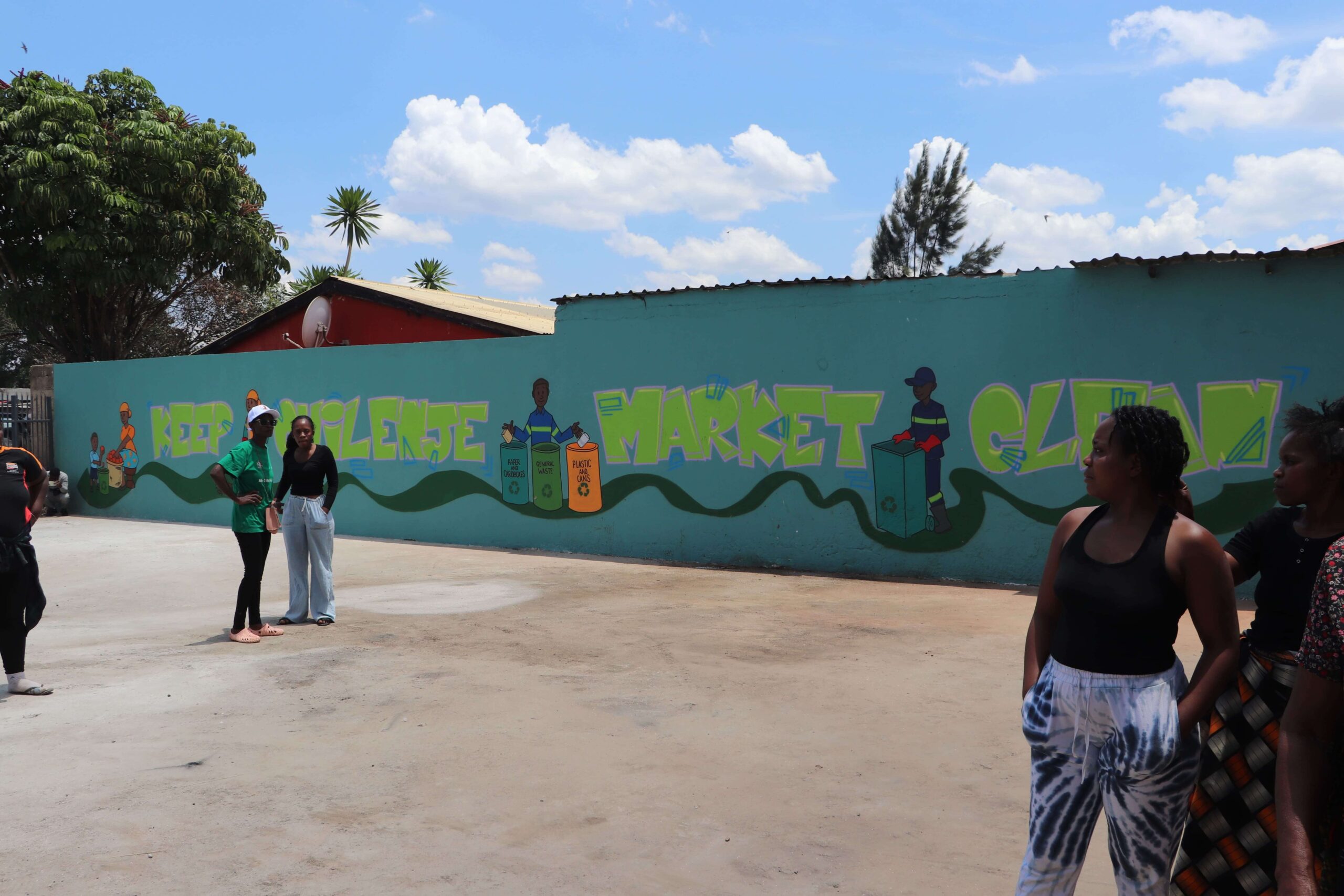
At the launch event in Chilenje Market, Lusaka City Mayor Chilando Chitangala unveiled an upgraded drainage system, new water and sanitation facilities and a redesigned solid waste management facility with improved sorting and storage, alongside multiple strategically placed waste collection points. Prior to these upgrades, traders were queuing for up to two hours before the market opening time in order to collect water from a single tap. There are now 13 taps distributed across the market! These upgrades are helping traders operate in cleaner, safer conditions, reducing the risk of cholera and other food or water-borne diseases, and thus enhancing food safety for consumers. Implementation and maintenance is being overseen by Lusaka City Council in collaboration with Catalyst Development (CaDev), DICHEM LTD, the Chilenje Market Committee and the Lusaka Integrated Solid Waste Management Company Limited.
“Chilenje Market is a vital part of our local economy and an important space in the daily lives of our residents. It is where families obtain fresh produce and where many people earn their income and where social interactions thrive. For these reasons, upgrading this infrastructure and hygiene standards has been a necessary priority,” “With this upgrade, we are not merely improving a market—we are dignifying livelihoods,”
Hon. Chilando Chitangala, Mayor of Lusaka City Council, Zambia, and Chairperson of ICLEI Africa RexCom (2024–2027)
Mapping a way forward to continue the momentum
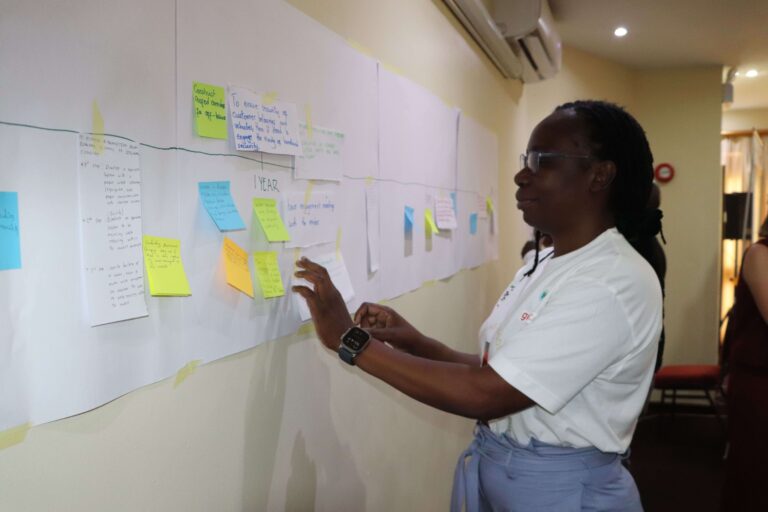
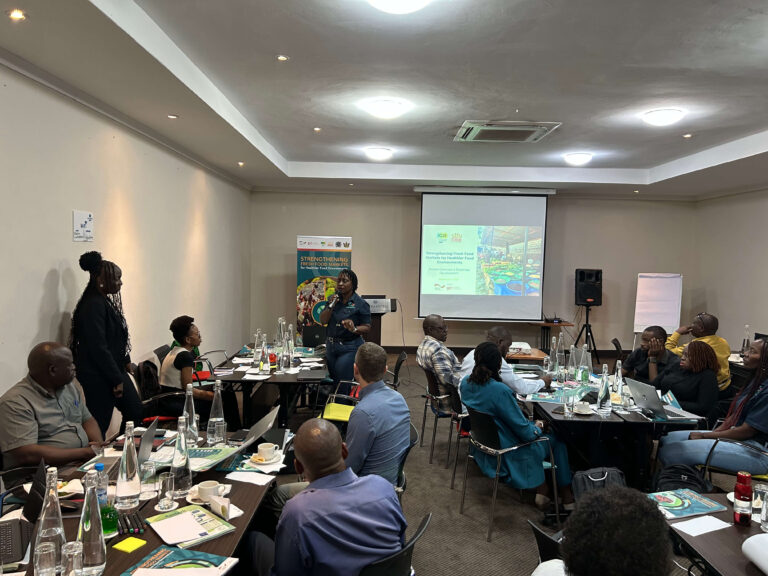
To mark the end of the first set of infrastructure upgrades, energising workshops were hosted in each city bringing together city officials, market leaders, trader representatives, civil society partners, academics, technical consultants, and other partners. Inspired by the transformative work that has been done so far, these convenings facilitated shared reflection, alignment on next steps and collective prioritisation and visioning of future upgrades. Looking ahead, the focus is on working with the Lusaka and Lilongwe City Councils to develop sustainable financing mechanisms for market upgrading that will ensure existing infrastructures are well maintained, while catalysing funding for additional upgrades in other markets across the city.
The momentum achieved this year sets the stage for more progress in improving fresh food markets and nutrition outcomes in Lilongwe, Lusaka and beyond.
This project, funded by Deutsche Gesellschaft für Internationale Zusammenarbeit (GIZ), falls under ICLEI Africa’s African City Food Centre, a regional Centre of Excellence supporting African cities to build inclusive, resilient and sustainable urban food systems. Under Pillar 1: Enabling Resilient Food Markets & Infrastructure, led by Amy Murgatroyd, the Centre strengthens market infrastructure while building capacity for resilient, nutrition-sensitive food systems and thus leading to healthier cities.