
 Follow a
  See our
  View our
 Download the
The Hidden Cost of Convenience: Strengthening Food Safety in Informal Markets in Kisumu


Related ICLEI Pathway(s)
About
Resource summary
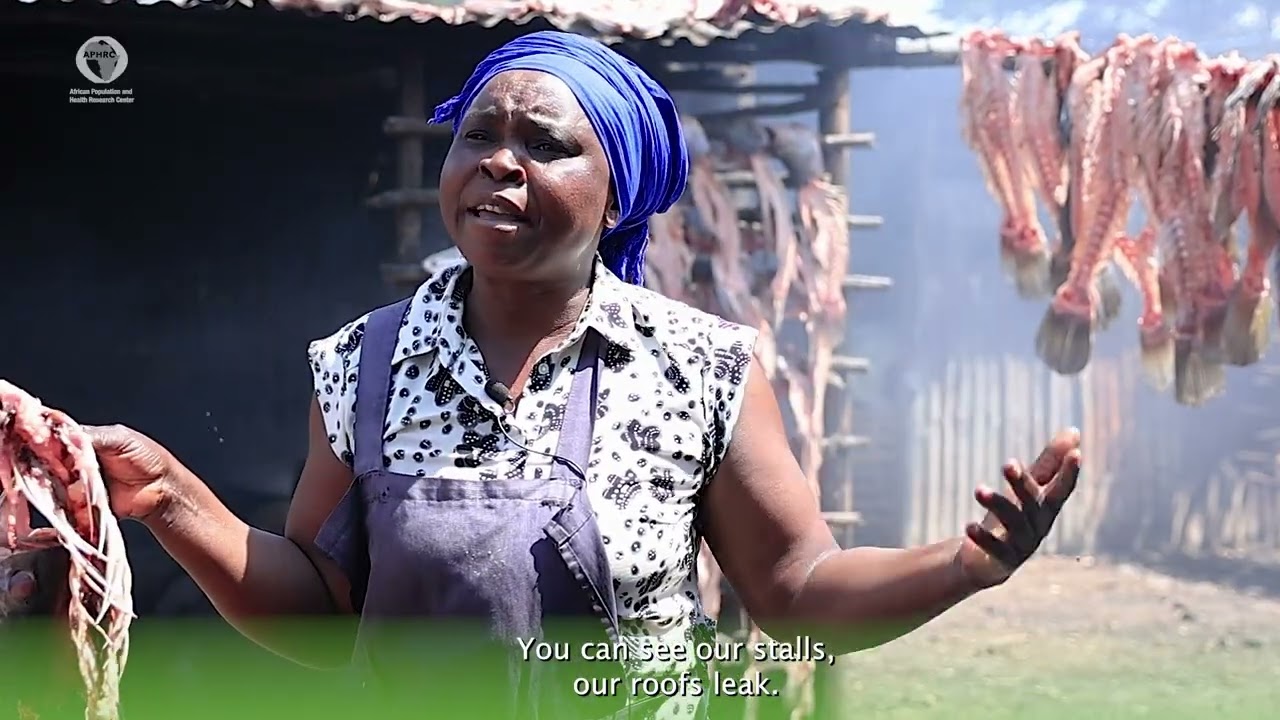
Street food from informal vendors is a daily source of nutrition in Kenya—particularly for people living in informal settlements. In Kisumu, nearly half the population lives in such settlements and relies on roadside stalls and informal vendors for their daily meals. Obunga is a critical food hub for the Kisumu’s low-income residents and a source of livelihood for over 200 fishmongers, most of whom are women. These vendors fry and sell mgongo-wazi—the bony fish left over from factory fileting. It is an affordable protein source and a vital part of the city’s informal food system. During a site visit to Obunga, we engaged with fish vendors and documented the difficult conditions they operate in. Vendors openly shared their challenges and called for urgent action. Among the key concerns raised were: no preservation or cold storage facilities, poor drainage, sanitation, and insecure working conditions Through the AfriFOODlinks project, the African Population and Health Research Center (APHRC) is addressing these challenges with tangible, community-driven solutions in Kisumu. By improving working conditions and providing training to vendors in markets like Obunga Market, the project is helping to create safer informal food environments—an essential step toward realizing the right to food for all. Watch the video below to hear directly from fish vendors at Obunga Market and see what it truly means to feed a city under challenging conditions.
Watch the video
Related resources
Policy Roadmap for Enhancing Availability of Electricity Suitable for Sustained Use of eCooking In Informal Settlements in Uganda

Situational Analysis Report

Municipal Regulatory Systems and the Scale-Up of Clean Cooking in Uganda
Policy Roadmap for Enhancing Availability of Electricity Suitable for Sustained Use of eCooking In Informal Settlements in Uganda
Situational Analysis Report