
 Follow a
  See our
  View our
 Download the


The scientific consensus is clear: an overshoot of 1.5°C, even temporary, will unleash devastating consequences, disproportionately impacting vulnerable regions like Africa. A 1.5°C overshoot will take us into uncharted territory, amplifying risk and uncertainty, meaning that what we know today isn’t enough to fully prepare for these uncertain futures, yet we must prepare, innovate, and adapt. COP30 and the first-ever Africa-hosted G20 brought home an unmistakable message: the world cannot meet its climate and developmental goals unless African cities are prepared, supported, and equipped with the skills needed to build resilience. International collaboration is vital to addressing the challenges facing African cities and in turn, African cities are central to solving some of the world’s most pressing challenges.
But the window for incremental change has closed. We need step-change transformation, not marginal adjustments.
A new way forward
In January 2025, we gathered leading urban change agents from around Africa to step back from the day-to-day and grapple with these uncertain futures facing the continent. Together, they envisioned fair transitions in African cities as pathways to navigate these complex futures.
The immersive two-day workshop combined a Futures Literacy Lab and Three Horizons Framework to reimagine equitable and resilient futures for African cities collectively. Moving beyond conventional planning paradigms, the process examined current urban trajectories and their limitations before creatively envisioning transformative, fair alternatives that centre African values and realities. Participants identified both systemic barriers and catalytic opportunities for transitioning, from policy innovations to grassroots solutions, while grounding long-term visions in practical pathways for change.
This work is not about predicting the future but about creating the foundations for radical change, equipping cities to thrive amid uncertainty, and building the capacity to anticipate change and adapt with intention. Read our report for more information.
Key takeaways from the workshop:
- City overshoot plans: African cities need to develop long-term plans that help to proactively prepare for the impacts of a 1.5°C overshoot, both the risks and opportunities, and to navigate the associated complexity and uncertainty. This needs to be piloted to understand what works and what doesn’t, what needs to change and for learnings to be shared with others on the continent.
- Act now: The cost of inaction far outweighs the costs of action, and the longer finance takes to reach African cities, the more these costs grow. For example, in Lagos, the cost of inaction will be between USD 33-39 billion. However, USD 9 billion is needed to implement projects that address these issues now.
- Informality brings ingenuity: Informal governance systems, economic activities, and enterprises, characterised by flexibility, resourcefulness, and embedded local knowledge, offer considerable potential for ingenuity and adaptability, while complementing and strengthening formal structures and systems.
- Role of intermediaries: Through connecting diverse actors and networks, and bridging knowledge, policy and practice, intermediaries play a pivotal role in facilitating knowledge sharing across diverse domains, scaling innovations, and supporting the co-creation of inclusive solutions, all critical elements of supporting fair transitions in African cities.
- Collaboration is critical: tangible ways in which to bring different disciplines and organisations together is essential for crowding in the necessary financial and analytical resources to develop robust and bold solutions for driving transformative change.
The urgency is clear. Without futures literacy, African cities risk being trapped in cycles of maladaptation to overlapping crises and unsustainable development pathways, unable to compete in the global economy system.
The goal is not just to survive climate overshoot but to thrive: African cities shaped by their own visions and imperatives,lived experiences and aspirations, and their own knowledge systems and ideas, not imposed blueprints. By working with the future today, African cities can redefine urbanism and transformation on their own terms. For this, a new toolbox and set of capabilities is needed. Experimentation and piloting is essential for navigating uncertainty and complexity. To this end a priority coming out of the visioning workshop was the need to test these visioning tools and processes in specific Africa cities. The momentum created by COP30 and the Townhall COPs provide fertile ground for such experimentation, to take this work forward.
Bringing visioning exercises to cities through sub-Saharan Africa
The Town Hall COP initiative, launched by ICLEI in 2025, is transforming how climate action is planned and implemented across Sub-Saharan Africa. Inspired by the structure of the UN Climate Change Conferences, Town Hall COPs provide an inclusive, locally grounded platform where communities, local governments, and national representatives come together to articulate their priorities and co-create solutions that inform NDCs, NAPs, and Global Stocktake reporting.
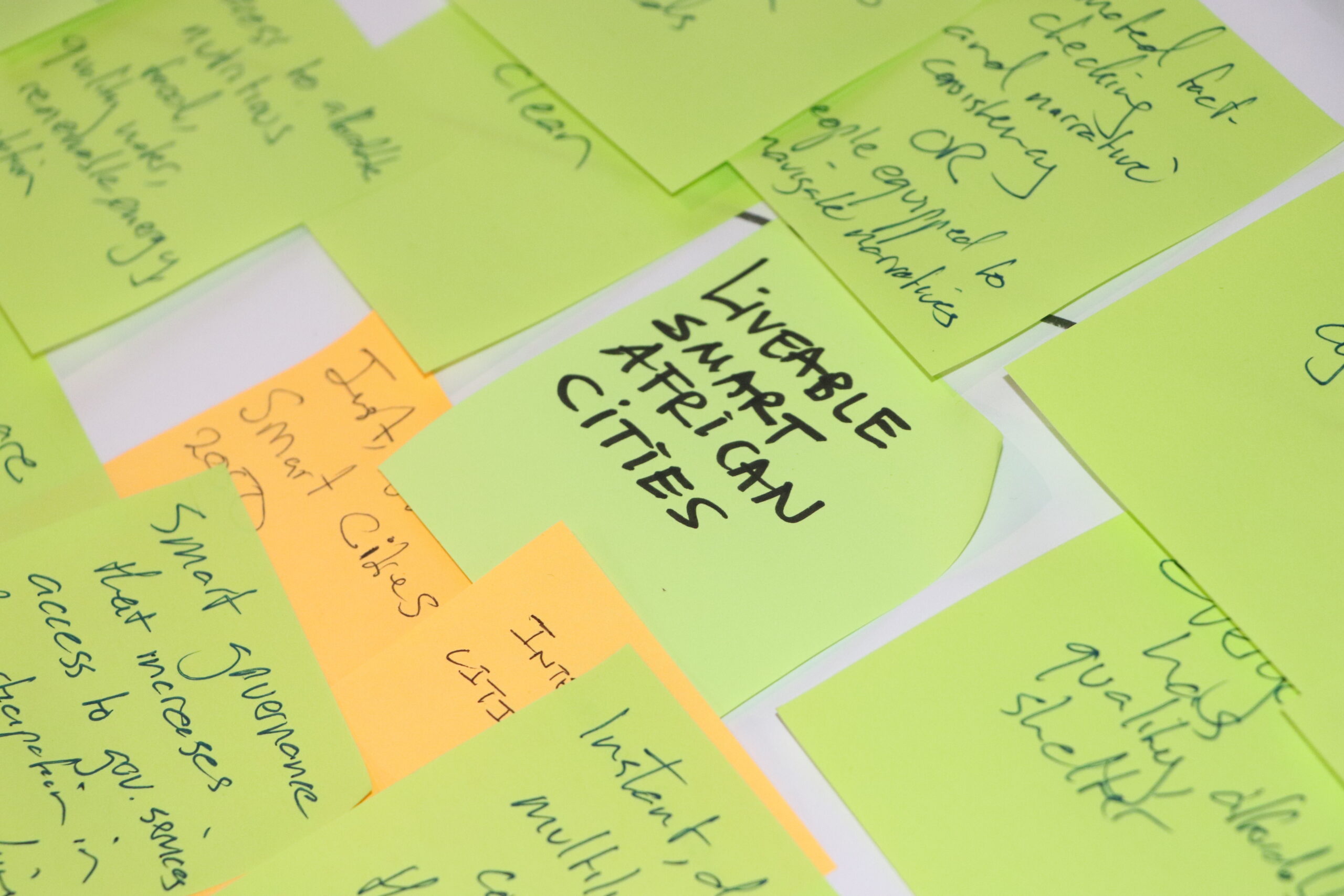
ICLEI Africa incorporated visioning exercises into the Town Hall COPs held in 10+ cities across the region. The visioning exercises conducted during the Town Hall COPs revealed how communities and local governments imagine the future of their cities, and what must change to get there. The results reflect five shared visions that cut across geography and context: investing in natural systems; transforming energy and mobility; reforming governance; revolutionising waste; and shifting mindsets through education.
Across five themes, the visioning exercises revealed a shared understanding that for African cities to be resilient and thrive in the context of rapid change, they must focus on integrated economic, social, and ecological planning and implementation. The actions identified by participants are essential for ensuring that the NDCs and NAPs in three countries are responsive to needs on the ground and incorporate nature-based solutions, clean energy, circular economy, governance reform, and public awareness, and demonstrate the power of locally defined, solution-driven dialogue and change.
Call to action
Our gathering of urban African leaders culminated in a call to action. To begin the development of a toolbox that better equips African cities for the future, including in a world of 1.5°C overshoot, which could include developing and piloting 1.5°C overshoot plans for African cities.
We invite everyone concerned about the future of African cities and tackling some of the world’s biggest challenges to participate in this effort. It will need all of us.
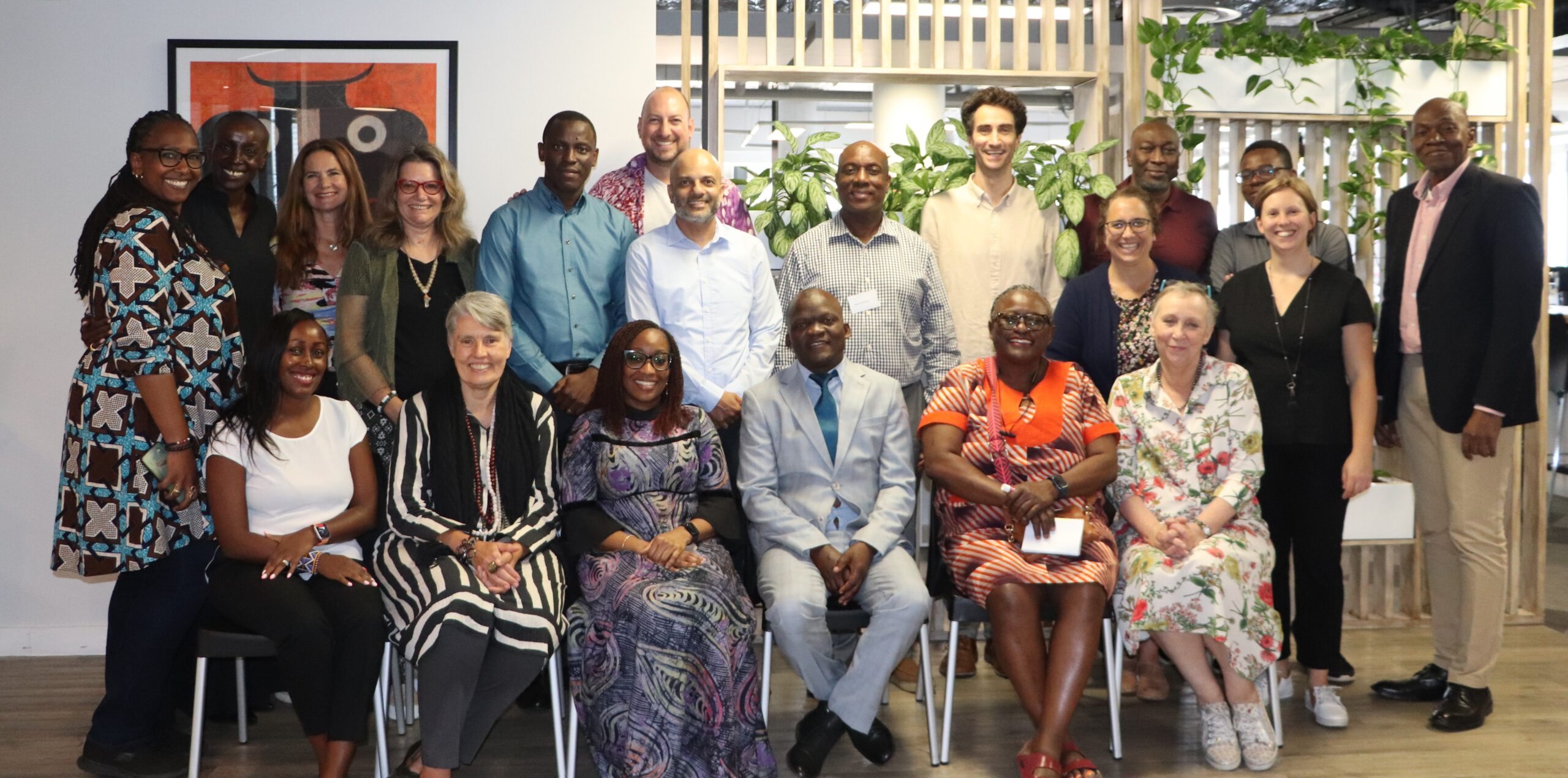
(Pictured on the right: The group of urban leaders that participated in the two-day workshop)
As the world turns its attention toward COP32 in Ethiopia, African cities have a pivotal opportunity to shape the global climate agenda, not as passive recipients of support, but as co-authors of solutions, and new pathways. The momentum built through the G20, COP30, and other events shows that when cities are given the space, tools and resources to imagine their futures, they produce actionable, locally grounded pathways that strengthen national commitments, accelerate global progress, and contribute to transformative change. Investing now in visioning exercises, futures literacy, and overshoot preparedness is foundational to unlocking the transformative, Africa-led urban transition the world urgently needs. By supporting this growing movement, funders and partners can help ensure that by the time we arrive at COP32, African cities are not only ready for the future, but actively shaping it.