 Follow a
  See our
  View our
 Download the
9 September 2026
What AI can and can’t do for cities
Artificial intelligence (AI) has the potential to play a key role in helping African cities build resilience, improve governance, and plan for a better future. However, the success of AI depends on how tools are developed and applied.



Artificial intelligence (AI) has the potential to play a key role in helping African cities build resilience, improve governance, and plan for a better future. However, the success of AI depends on how tools are developed and applied. While advances in AI promise to transform how cities understand and respond to climate change, nature, urban growth, inequality and pressures on infrastructure and services, finding the resources to leverage that knowledge into meaningful action will ultimately determine their success.
Developing risk tools for African urban context
Many African cities are eyeing AI as a key enabler for overcoming their most pressing challenges. Co-developing these tools with end-users is essential for ensuring that tools are context appropriate and not contributing to new problems.
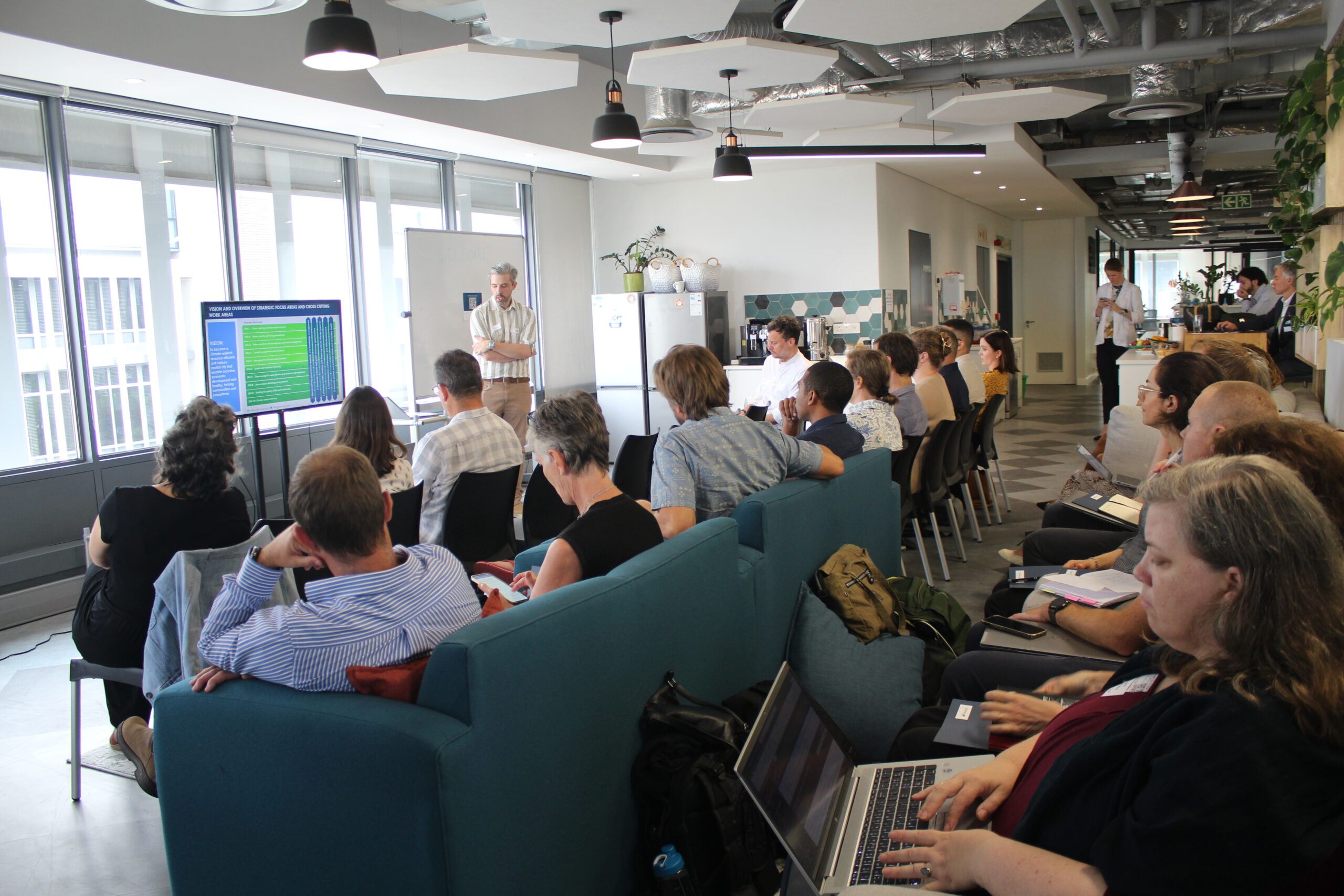
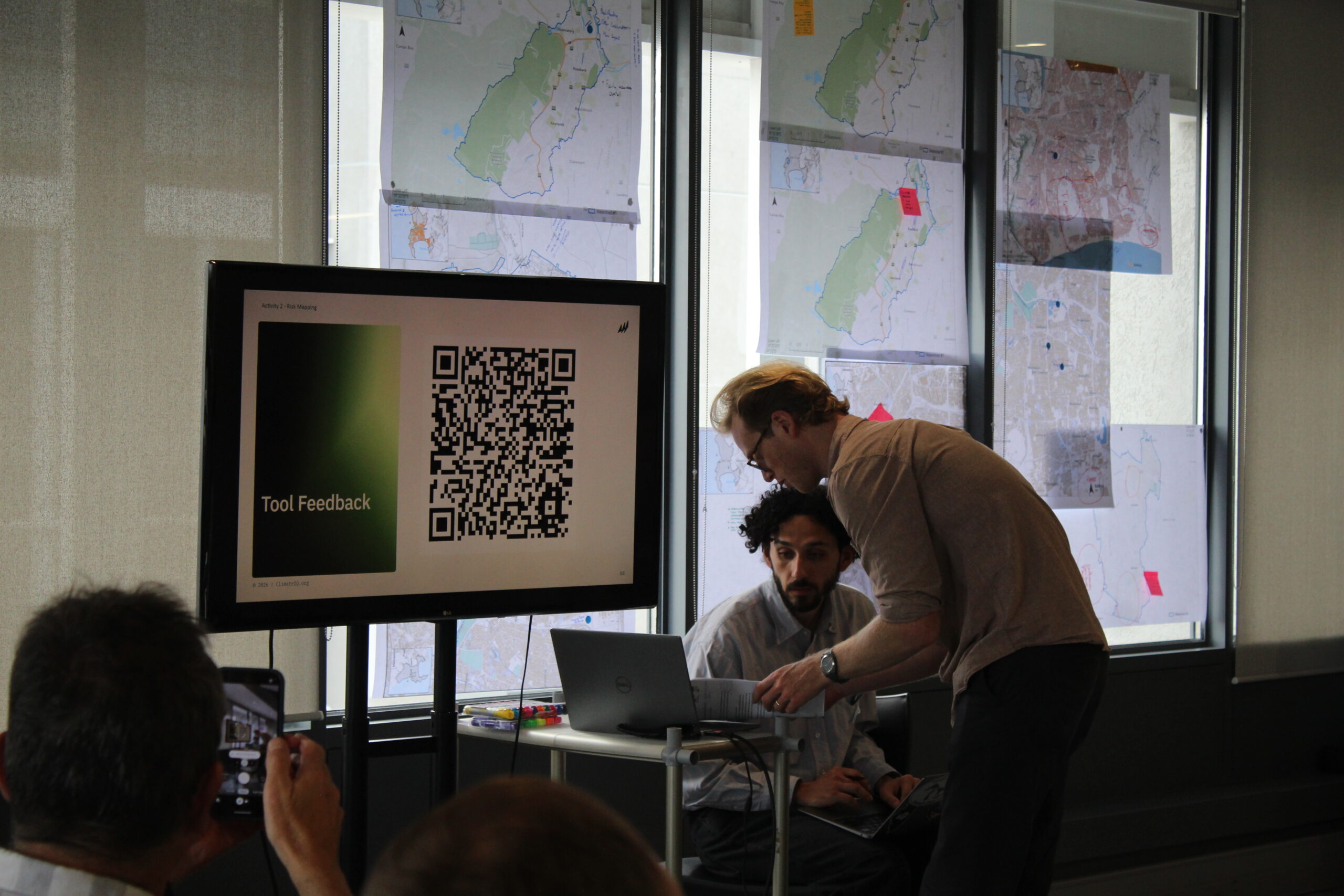
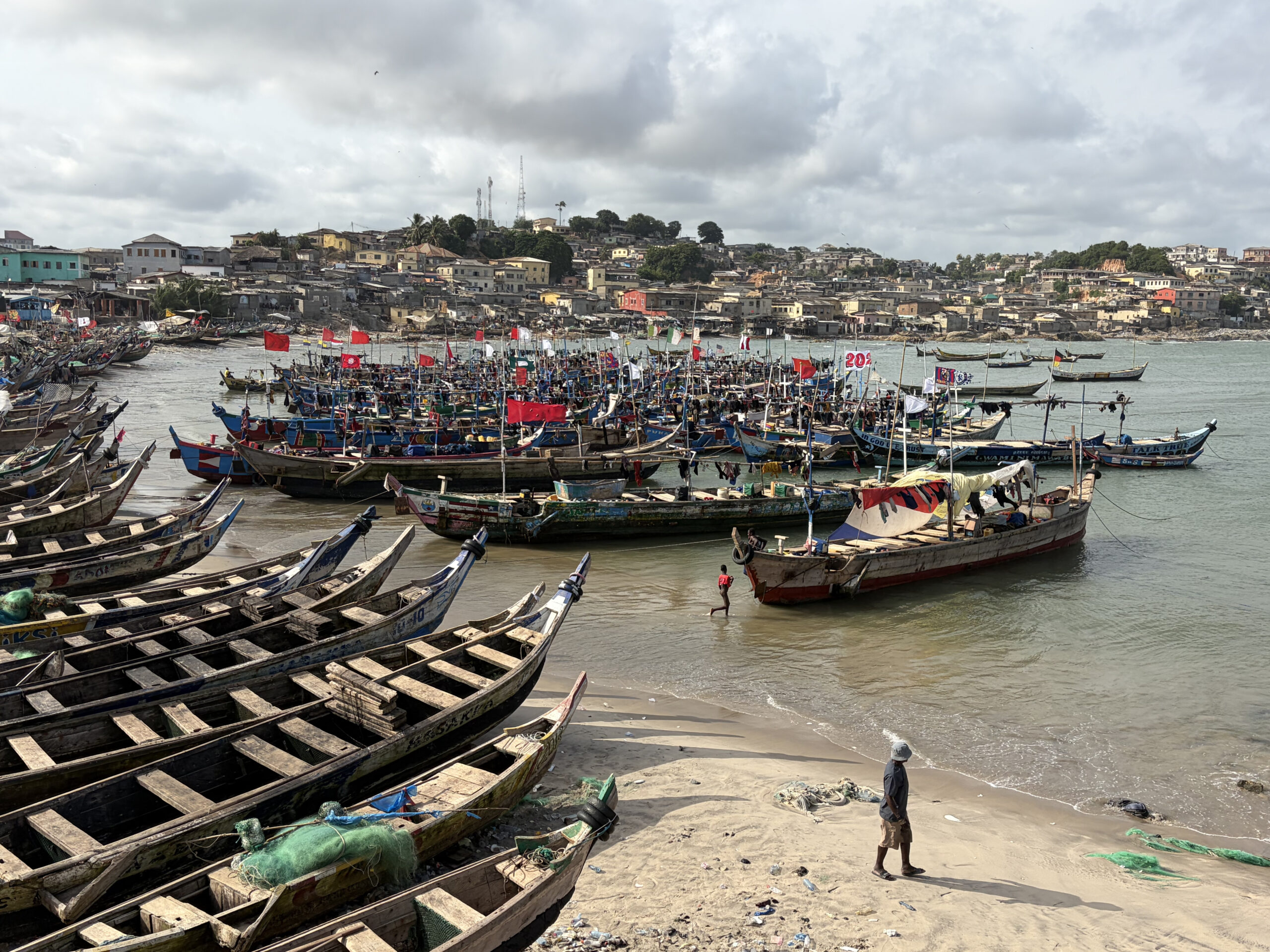
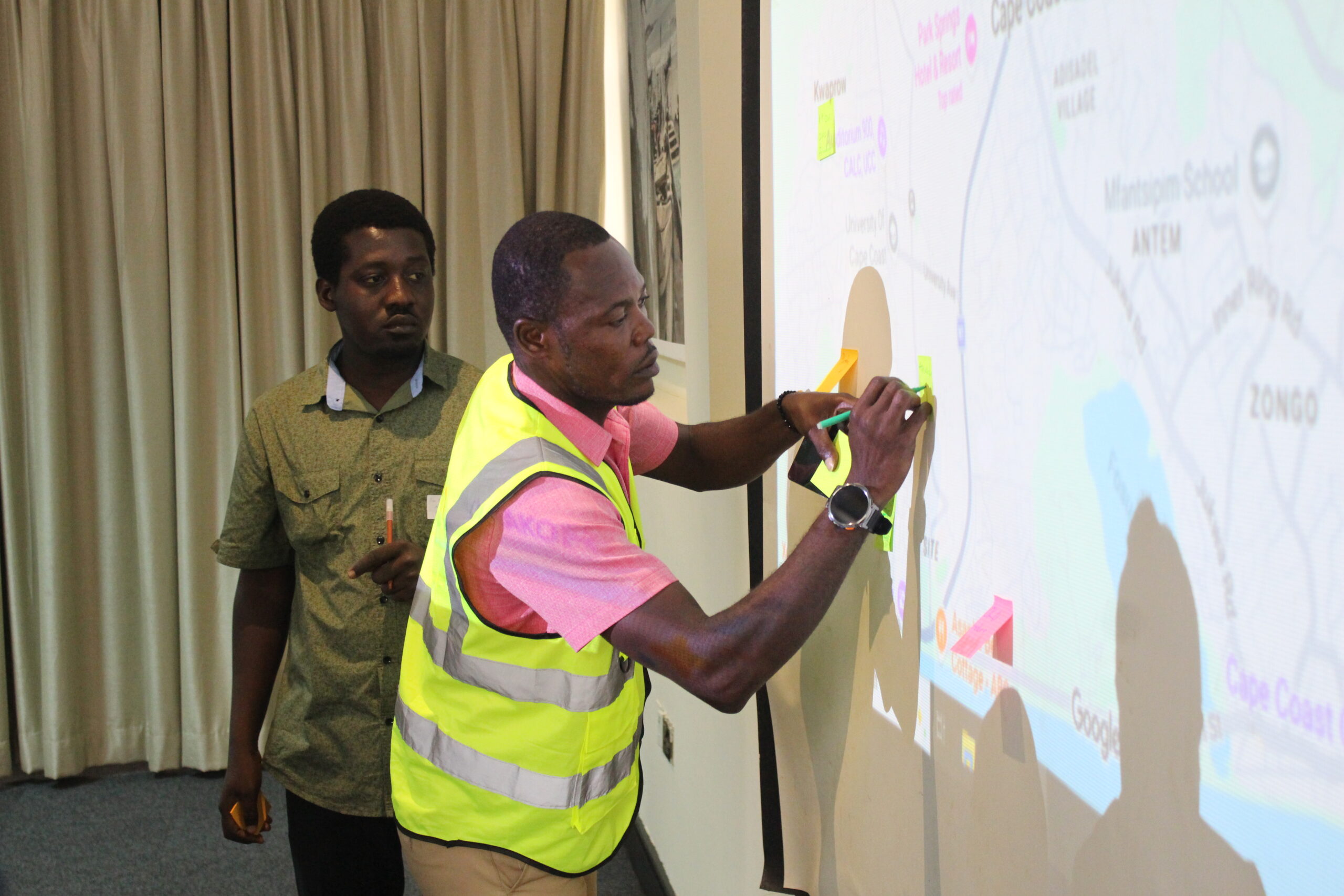
As part of the AI and Data Co-Production for Risk Reduction (CO-AI) project, ICLEI Africa has partnered with New York University’s (NYU) Urban Systems Lab to contextualise flood and heat risk models in African urban contexts. Through engagement with city officials and resilience practitioners in Cape Coast, Ghana, and Cape Town, South Africa, the project is refining and scaling the ClimateIQ tool while exploring both the opportunities and limitations for integrating AI into African urban resilience planning.
USL’s ClimateIQ tool uses machine learning to develop more detailed risk data across a variety of extreme weather scenarios. The platform aims to democratise risk modelling in cities where the cost of computing and the necessary technical expertise keep key information on extreme heat and flooding out of reach. These tools help visualise vulnerability at a level of detail that has previously been difficult for many cities to access, offering new possibilities for urban planning across different contexts and geographies.
In Cape Town, where most buildable land has already been developed, and informal settlements have expanded into flood-prone areas, city officials saw value in using ClimateIQ to identify vulnerable neighbourhoods and improve evacuation planning. In contrast, Cape Coast has a much smaller but rapidly growing population. Here, officials viewed ClimateIQ as a tool to inform decisions about where future urban expansion can be accommodated safely and where development should be restricted.
These differing applications demonstrate the flexibility of AI-based tools. Yet they also reveal a more fundamental question:
Even when cities know where the greatest challenges lie, what enables them to act on that knowledge?
The limitations of automation
Engagements in Cape Coast and Cape Town generated genuine excitement about the potential applications of AI-based tools to help decision making. Participants welcomed improved forecasting, hazard visualisation, and evidence-based planning.
But they also highlighted something equally important: there are limits to what AI can do. AI tools can identify where climate risks are greatest or where development interventions are needed, but it cannot decide where scarce resources should be spent.
African cities face major resource constraints alongside widespread vulnerability. Pinpointing which neighbourhoods are most at risk is only so helpful when the majority are facing compound vulnerability but the budget exists to protect only a few.
Competing political priorities and budget constraints are not challenges that AI can simply automate away. AI tools can diagnose problems and infer patterns where data is missing, but they are neither able nor suited to determine how those problems should be addressed. Urban development requires difficult political choices about where to invest, who should benefit, and what trade-offs are acceptable. Better data informs these decisions, but it cannot make them.
These limitations became increasingly apparent throughout engagement with city officials. Conversations that initially focused on how ClimateIQ could identify vulnerable neighbourhoods began to shift towards a different question: How can this data help us access more funding to reduce climate risk?
African cities undoubtedly need better data, but they also need more resources to translate knowledge into action. The Cape Coast and Cape Town officials already have a deep understanding of which neighbourhoods are most likely to flood and which communities are most vulnerable to extreme heat. They also have clear ideas about the interventions required. While they welcomed the increased forecasting and diagnostic capacity that ClimateIQ offers, they did not see a lack of data as the primary obstacle preventing action.
This points to a broader paradox in financing development and climate adaptation. Proponents of increased planning investment frequently cite benefit-cost ratios ranging from 4:1 for resilient infrastructure to 9:1 for early warning systems. Yet if these kinds of returns are so compelling, why do city governments continue to face such severe funding constraints? Why aren’t these returns attracting unprecedented levels of investment?
The answer lies in who makes the investment and who captures the returns. Most adaptation benefits are realised as avoided losses experienced by communities, governments, or future generations, rather than as financial returns captured by investors. The economic value is real, but there is often no clear mechanism for those financing resilience to recover their investment.
ClimateIQ demonstrates how AI can dramatically improve our access to data for urban planning, but resilience ultimately depends on more than better algorithms. It depends on stronger institutions, better governance, and greater investment. AI can illuminate where action is needed; it cannot replace the political and financial choices required to deliver it. If tools like ClimateIQ can help bridge that final gap, by strengthening investment cases, improving access to climate finance, or creating new pathways for resilience investment, then their greatest contribution may not be better maps, but enabling cities to turn knowledge into action.