chevron_left Back to News updates
2 April 2026

World Health Day 2026: Designing healthy cities to achieve Universal Health Coverage

top right mosaic bottom left mosaic

On World Health Day 2026, as the global community recommits to Universal Health Coverage (UHC), one reality is becoming increasingly clear: the future of health is urban.

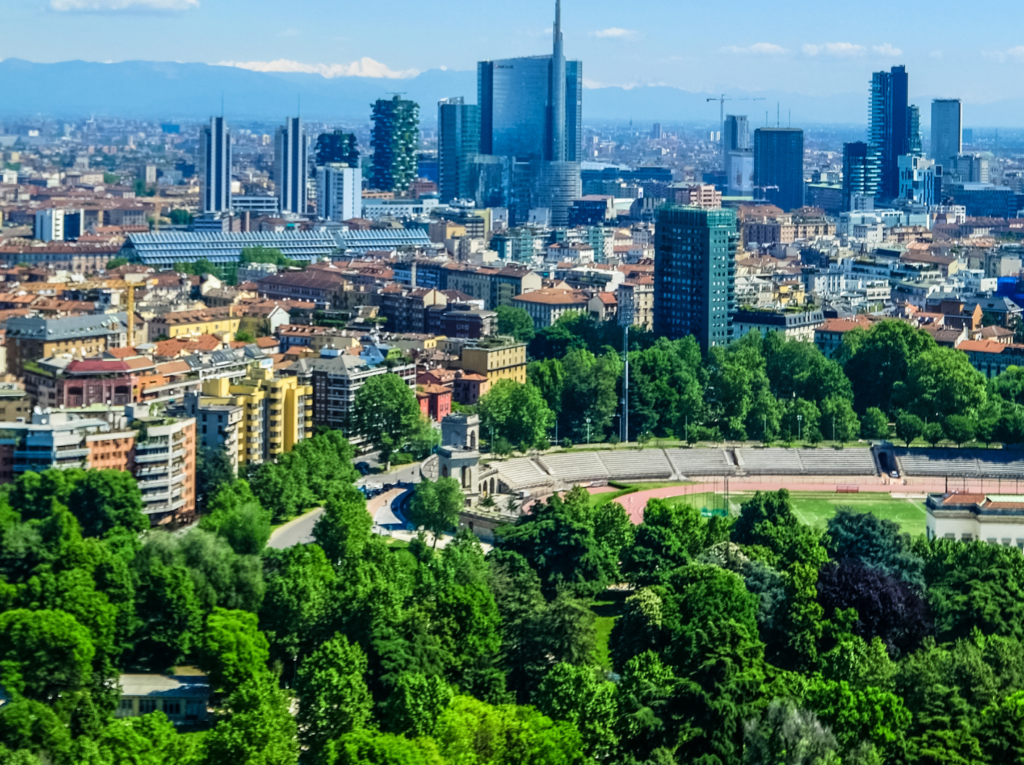
Today, more than 55% of the world’s population, over 4.5 billion people, live in cities. By 2050, that figure will rise to nearly 70%, adding another 2.5 billion urban residents, largely in Africa and Asia. Urbanization brings opportunity through economic growth, innovation and connectivity, but it also concentrates risk.

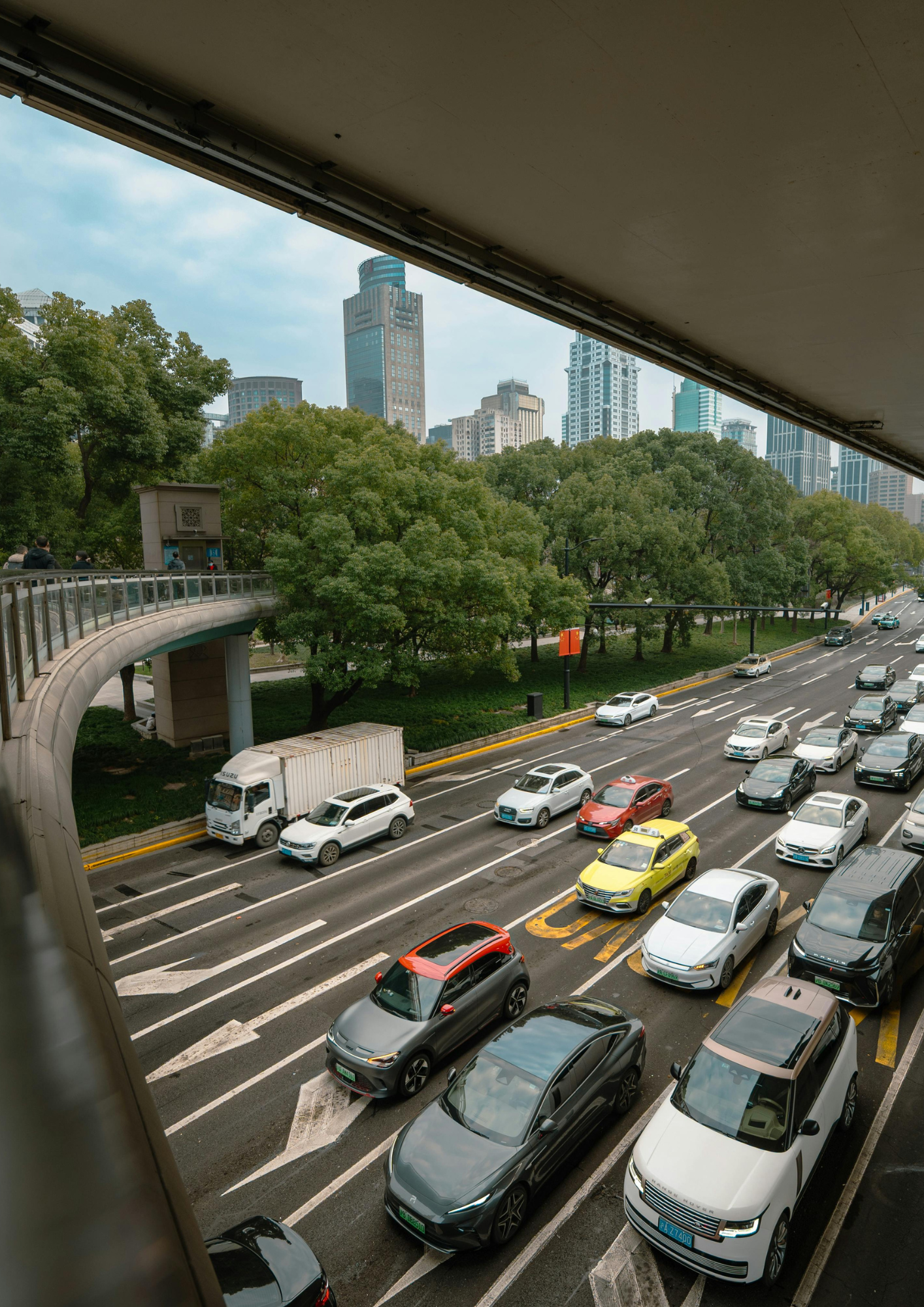
Air pollution, extreme heat, flooding, unsafe transport, food insecurity, inadequate housing and limited access to services shape daily health risks in cities. Meanwhile, health systems are under pressure from rising non-communicable diseases, climate-related emergencies, infectious disease threats, mental health challenges and widening inequality.

Achieving UHC in this context requires looking beyond hospitals and clinics. It requires designing healthier cities.

Understanding Universal Health Coverage 

Universal Health Coverage means that all people can access the health services they need,  from prevention and health promotion to treatment, rehabilitation and palliative care, without financial hardship. Achieving UHC by 2030 is a core Sustainable Development Goal.

Primary health care is widely recognized as the most effective and cost-efficient pathway to UHC because it places services close to communities. However, expanding healthcare services alone will not ensure physical, mental and social wellbeing for all.

Health is shaped by far more than healthcare.

People spend relatively little time interacting with health systems and most of their lives in environments that either promote or undermine health and wellbeing. Urban planning, housing conditions, food systems, transport networks and infrastructure all influence health risks and opportunities.

Cities and the social determinants of health

The persistence of diseases such as tuberculosis (TB) highlights the importance of these social and environmental health determinants.

Despite improved diagnostics and treatment, TB remains one of the world’s deadliest infectious diseases. In 2024, an estimated 10.7 million people fell ill with TB worldwide, and 1.23 million people died. Recent research highlights the concept of a “tuberculogenic environment” –-  the set of living conditions, policies and social vulnerabilities that sustain the disease. Poor housing, overcrowding, limited access to nutritious food, harmful consumption environments and under-resourced health services all contribute to TB risk.

These drivers lie largely outside the health system, spanning sectors such as housing, social protection, trade, agriculture and education. Yet TB programmes often bear responsibility for addressing a problem rooted in broader structural conditions.

This illustrates a broader reality: health outcomes are shaped by decisions made across many sectors, many of which fall within the mandates of cities and local governments, which are insufficiently engaged by national health programmes in developing and implementing cross-sector solutions.

Beyond treatment: The case for prevention

Urban health burdens are often driven by upstream environmental and social factors – polluted air, unsafe streets, poor housing, limited green space, unhealthy food environments and climate risks. Yet health systems are left to manage the downstream consequences.

When cities integrate health considerations into planning and budgeting decisions early on, they can prevent avoidable illness before it occurs.

Prevention reduces long-term healthcare costs, frees capacity in medical facilities and improves care for those who need it most. It also enables residents to live healthier lives within supportive environments.

In this sense, sustainable urban development becomes preventive health policy.

Health as both outcome and investment

Healthy populations are more economically productive, socially cohesive and resilient to shocks. At the same time, well-designed urban systems create the conditions that enable health and wellbeing.

When cities invest in clean air, climate resilience, active mobility, safe housing and nutritious food systems:

29

Health outcomes improve

28

Productivity and economic participation rise

27

Demand for treatment of preventable illnesses declines

30

Municipal finances become more sustainable

This creates a reinforcing cycle in which health strengthens development, and development strengthens health. Across cities, practical initiatives are demonstrating how urban systems can be redesigned to support health.

Designing health into urban food systems

Good nutrition underpins health, supporting child growth, and strengthening population wellbeing by reducing vulnerability to infectious and non-communicable diseases.

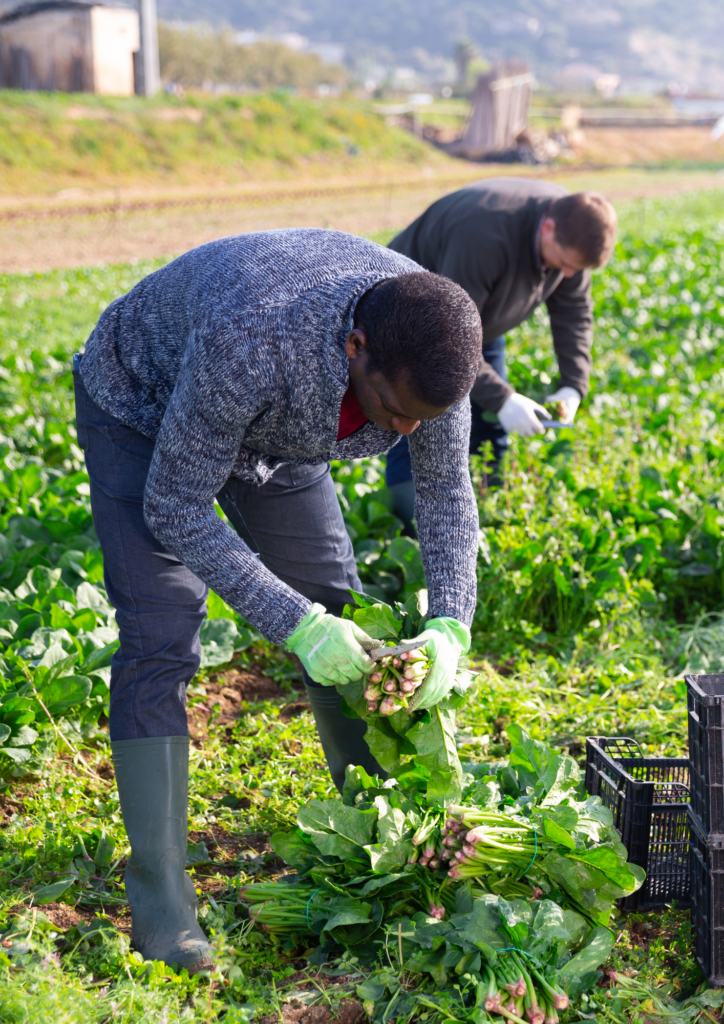
Municipal food markets are central to urban food access, yet many face challenges: unsafe food and water, poor sanitation, air pollution from biomass cooking, and rising diet-related diseases. Governance is often fragmented across food safety, health, energy and planning departments.

Through ICLEI Africa, for example, cities are developing coordinated food strategies, improving market infrastructure, and integrating interventions for nutrition, food safety, environmental health and livelihoods.

Childhood malnutrition and stunting remain persistent, driven by food insecurity, gaps in health services, sanitation, caregiving and social protection. Multi-sector action in the first 1,000 days of life – supported by municipal governance, budgeting and community engagement,  is crucial to improving child nutrition and long-term population health.

Community-led resilience

Cities are also recognizing the importance of community participation in building healthier environments. In eThekwini (Durban), participatory climate adaptation initiatives involve residents in settlement upgrading and resilience planning. When communities co-design solutions, they strengthen trust, reduce disaster risk and build local capacity to respond to shocks. These approaches enhance wellbeing while reducing reliance on emergency and curative health services.

Health-first urbanism

At ICLEI Cities Health Center, we believe cities must be positioned as system leaders in addressing the social and environmental determinants of health.

Local governments hold mandates across many of the sectors that shape health outcomes, including planning, mobility, food systems, education, environment and social development. Aligning these sectors around shared health objectives can transform how cities prevent disease and promote wellbeing.

However, cities cannot deliver healthier environments alone. Stronger collaboration with national and subnational health sectors is essential. While municipalities shape many of the upstream determinants of health, the health sector provides the evidence base that guides action – including epidemiological data, disease surveillance, technical expertise and community health networks.

Health authorities also play a critical role in setting national policies, clinical guidelines and strategic health plans that prioritise prevention, health promotion and equitable access to care. These frameworks help translate population health evidence into practical guidance for decision-makers across sectors.

When municipal planning aligns with public health priorities, urban policies are better able to respond to real disease burdens and emerging risks,  strengthening both prevention and progress toward UHC.

Practical collaboration can take many forms: shared data systems linking environmental and health indicators, joint planning between municipal departments and health authorities, and integrated programmes that connect urban interventions with primary health care. For example, initiatives to improve food environments, reduce air pollution or transition households to clean cooking can be strengthened when linked with maternal and child health programmes and community health outreach.

Health impact thinking can serve as a unifying framework across sectors. Cities can screen policies and infrastructure investments for their health implications, quantify avoided healthcare costs, and embed preventive thinking into climate, mobility and food strategies. These institutional reforms help ensure that prevention becomes systematic rather than incidental.

By strengthening partnerships between local governments and the health sector, cities can play a decisive role in advancing UHC, not only by supporting access to care, but by creating the conditions that prevent illness in the first place.

A sustainable path to Universal Health Coverage

UHC will not be achievable if health systems remain overwhelmed by preventable illness.

By embedding prevention into urban design and governance, cities can reduce disease burdens, lower catastrophic health expenditures, strengthen economic productivity and increase resilience to climate and social shocks.

Health becomes both a desired outcome and a strategic investment.

A call to action

On World Health Day 2026, ICLEI calls on cities, governments and partners to embrace health-first urbanism.

Hospitals and clinics cannot shoulder the health challenges of rapid urbanization alone. By designing health into infrastructure, food systems, mobility and climate action, cities can relieve pressure on health systems while empowering communities to thrive.

As urban populations continue to grow, the choices made in city halls today will shape the wellbeing of billions.

When health is designed into cities from the start, healthier futures become possible for everyone.

Share on social:
Stay in the loop

Sign up to our newsletter

Sharing impactful, innovative and inclusive action in African cities and regions