Catch up with ICLEI Africa at Innovate4Cities 2026
At Innovate4Cities2026, ICLEI Africa’s delegation emphasised a simple but critical point: climate ambition must translate into tangible implementation and on-the-ground impact in cities and communities.
With less than 17% of global climate finance reaching the local level, the missing link in today’s climate finance architecture isn’t just more finance, it’s quality finance that matches local context, enabled by intermediary organisations.
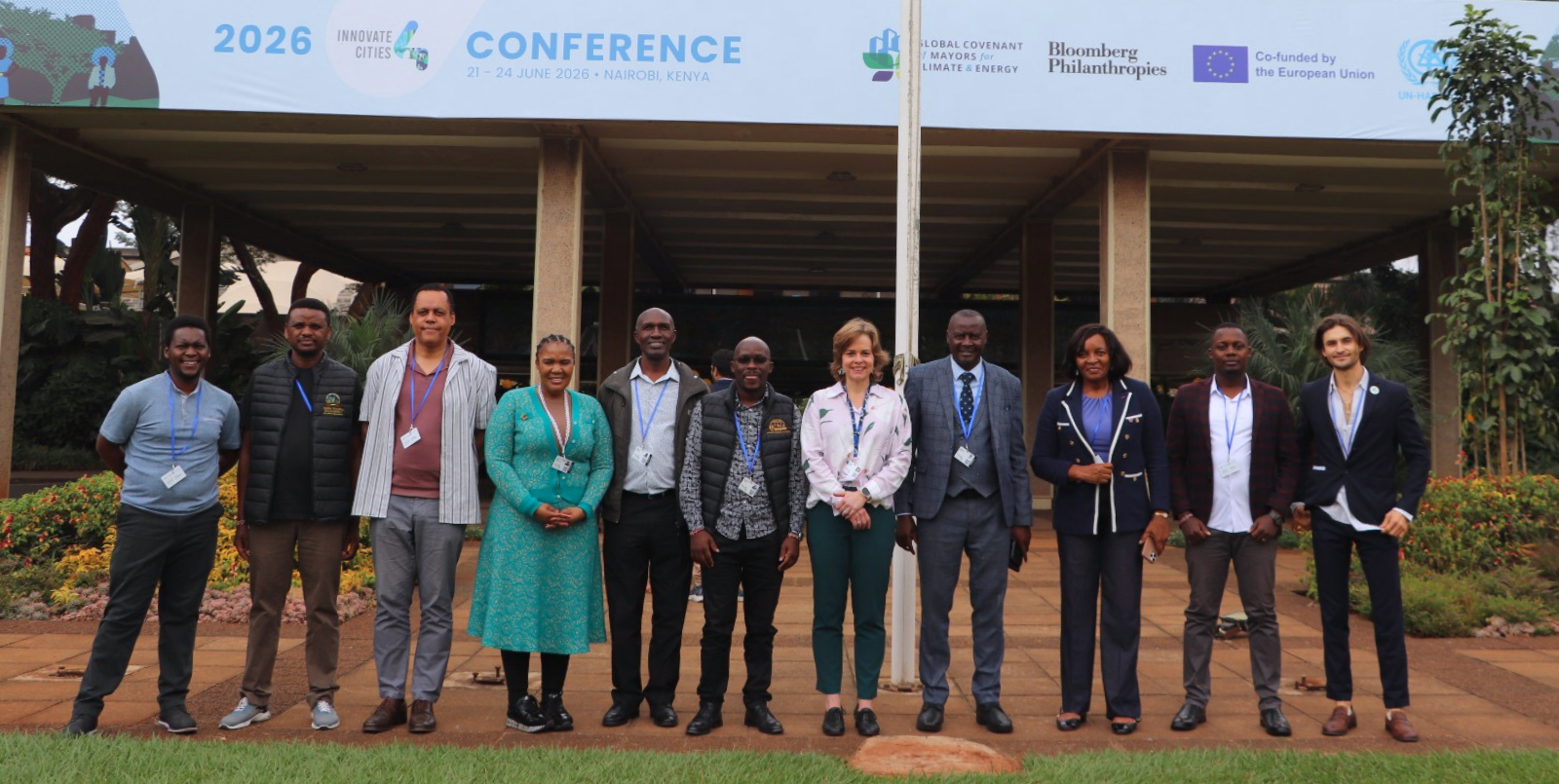
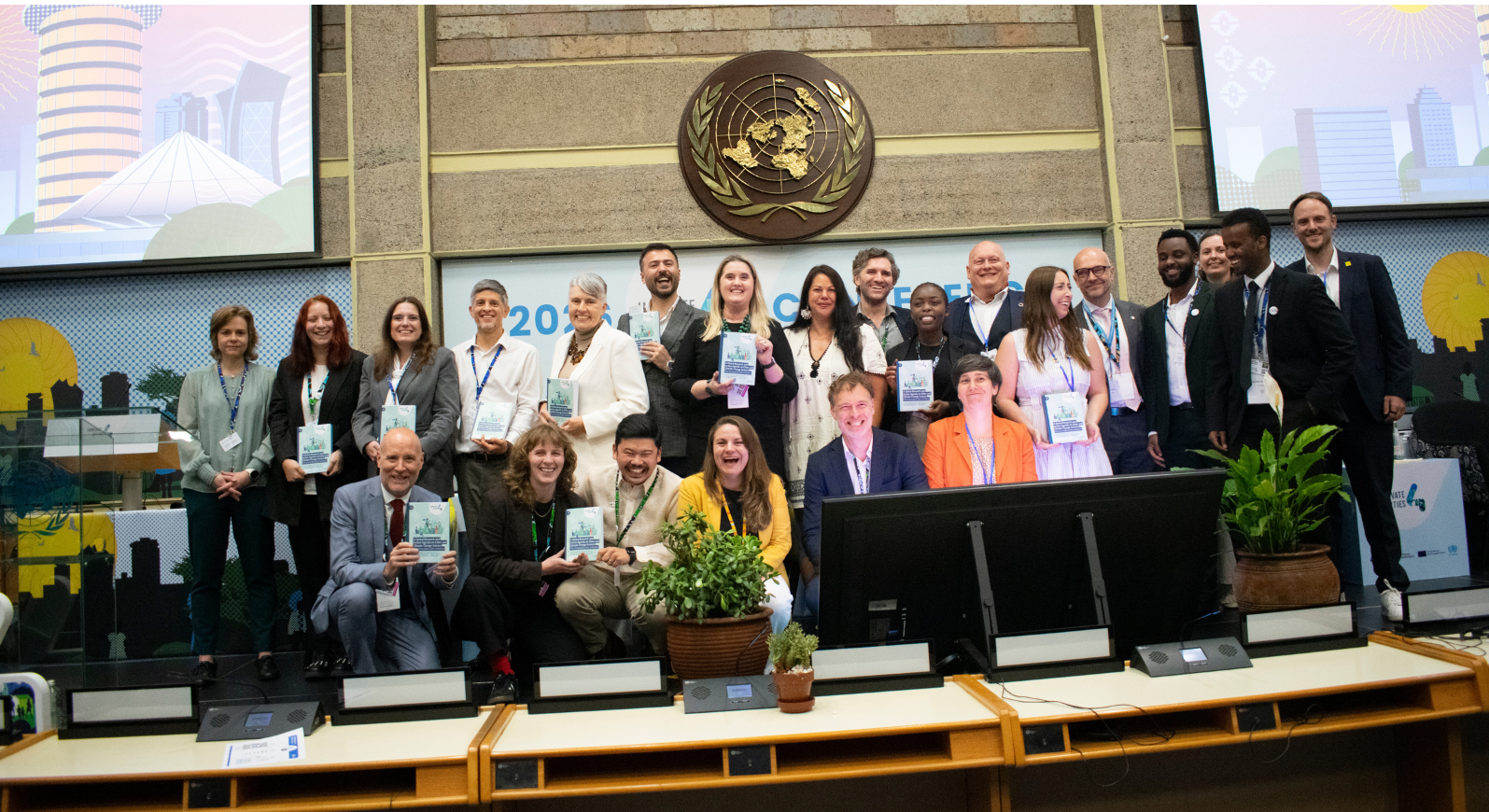
African city representatives at I4C2026
Left to right: Kennedy Kanyiha (ICLEI Africa), Patrick Nyaga (Embu County), Jean-Aloïse Biwole (Cooperation Director, FEICOM), Kenalemang Rose Phukuntsi (former Mayor of Tswelopele), Evans Gichana (Climate Change Director, Kisumu County), Benjamin Kisilu (Embu County), Meggan Spires (Sustainable Finance Director, ICLEI Africa), Raymond Kinyua (CECM – Lands, Housing and Urban Planning, Embu County), Suzanne Ngane (Directeur des Projets et Programmes de Partenariat, FEICOM), Denis Karani (Embu County), Nicolas Gate (ICLEI Africa)
Financial intermediaries as catalysts for local climate action
Through the BRIDGE project, ICLEI Africa and the Special Council Support Fund for Mutual Assistance (FEICOM) – Cameroon’s ground-breaking municipal financing institution that channels finance from national budgets and international climate funds to municipalities – are demonstrating how every cent mobilised for climate action can be spent with maximum bang for buck. This was the focus of the session: Unlocking African Urban Resilience: Financial Intermediaries as Catalysts for Local Climate Action.
The BRIDGE project is supported by the Step Change initiative, funded by the Ministry of Foreign Affairs of the Netherlands and the International Development Research Centre (IDRC), Canada.
FEICOM is first and foremost a public finance institution with a mandate to decentralise funding for municipalities.
Through partnerships with organisations such as ICLEI Africa and GCoM, alongside international climate finance providers, we can mobilise resources from both national budgets and international climate funds and channel them directly to local governments.
There is growing recognition of the intersection between cities, urban development and climate change. Cities are engines of economic growth and play a critical role in improving lives through investments in infrastructure, mobility and other urban systems.
Co-producing knowledge for local decision-making
In another session, we shared learning from initiatives such as the Designing Inclusive African Coastal City Resilience (INACCT) project, which flips the business-as-usual model: communities map risk first, science layers in second, then thresholds are validated back with residents before being put to use. In the Pholani informal settlement, in Durban, this confirmed 70mm/10hrs as a landslide threshold — checked against events people had actually lived through. These become warnings people trust and actually act on. The session showcased how co-produced climate knowledge improves the relevance, trust and usability of information for local decision-making.
ICLEI Africa implements INACCT with the University of KwaZulu-Natal & Eduardo Mondlane University + eThekwini Municipality & Beira Municipality. INACCT is funded by the CLARE Programme (Foreign, Commonwealth and Development Office & IDRC).
Finance, Implementation and Data (Enablers) Plenary
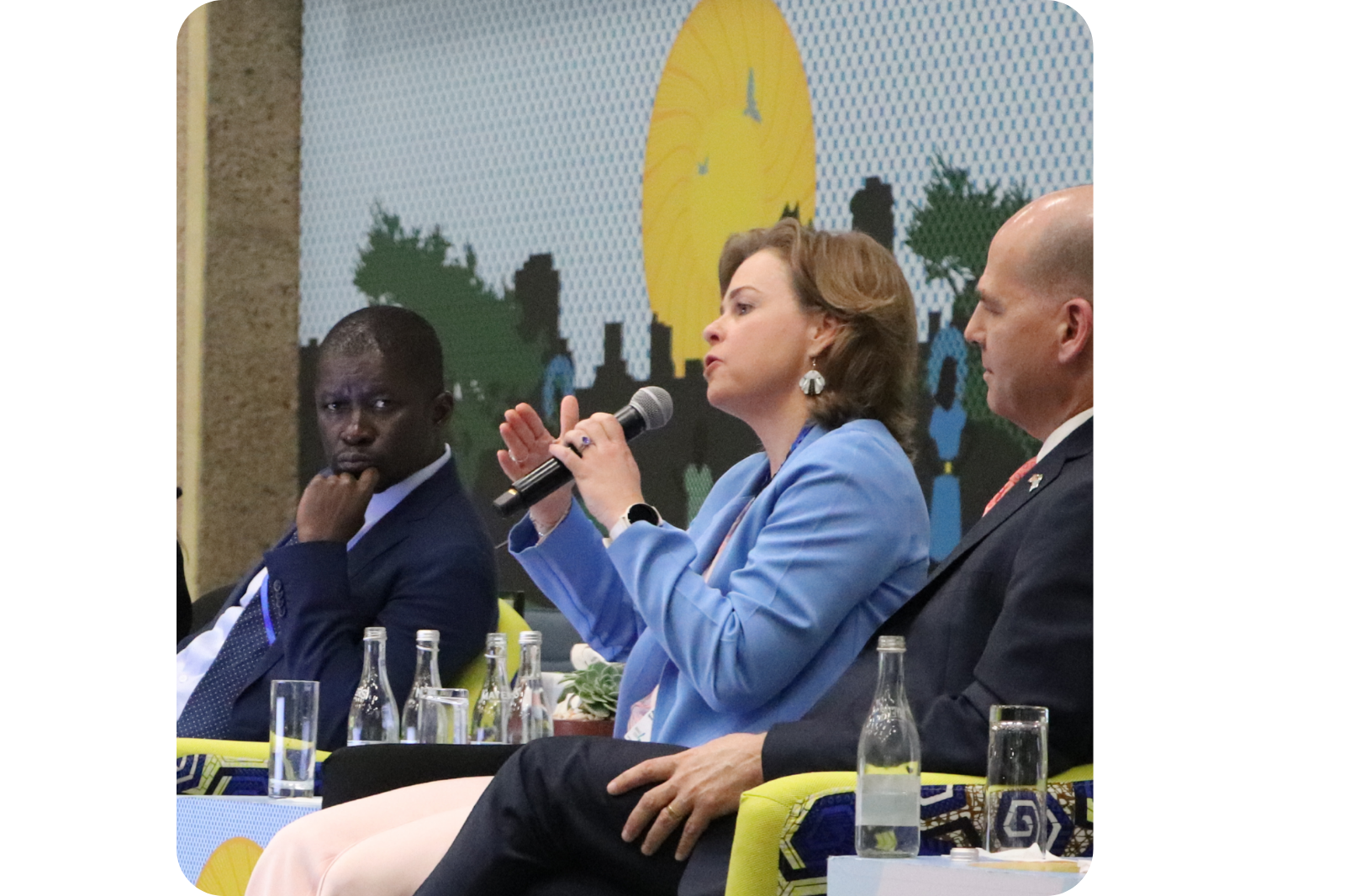
In the Finance Plenary, ICLEI’s Dr Meggan Spires named the real barrier: not the availability of finance, but investment readiness — governance, creditworthiness, institutional capacity.
“We must make sure that every dollar spent on project preparation is spent as effectively as possible: being responsive to what is and isn’t possible locally, and being deployed on pathways that have the highest likelihood of leading to financial flows.”
A Global Research and Action Agenda on Cities and Climate Change Science

 Download the


 Follow a
  See our
  View our