
 Follow a
  See our
  View our
 Download the

ICLEI’s African Waste Centre helps municipalities and private sector actors move from fragmented waste practices towards integrated, circular, and evidence-based waste systems. Grounded in the ICLEI 5R framework and two decades of delivery across the continent, we combine governance support, technical assistance and corporate advisory to strengthen waste services, unlock investment-ready projects, and reduce the public health and environmental risks of poor waste management. From municipal strategy and infrastructure planning to export-linked compliance and our flagship Beyond Burning Alliance to end open waste burning on the continent, we exist to turn one of Africa’s most pressing urban challenges into an opportunity for public health, economic value and environmental regeneration.
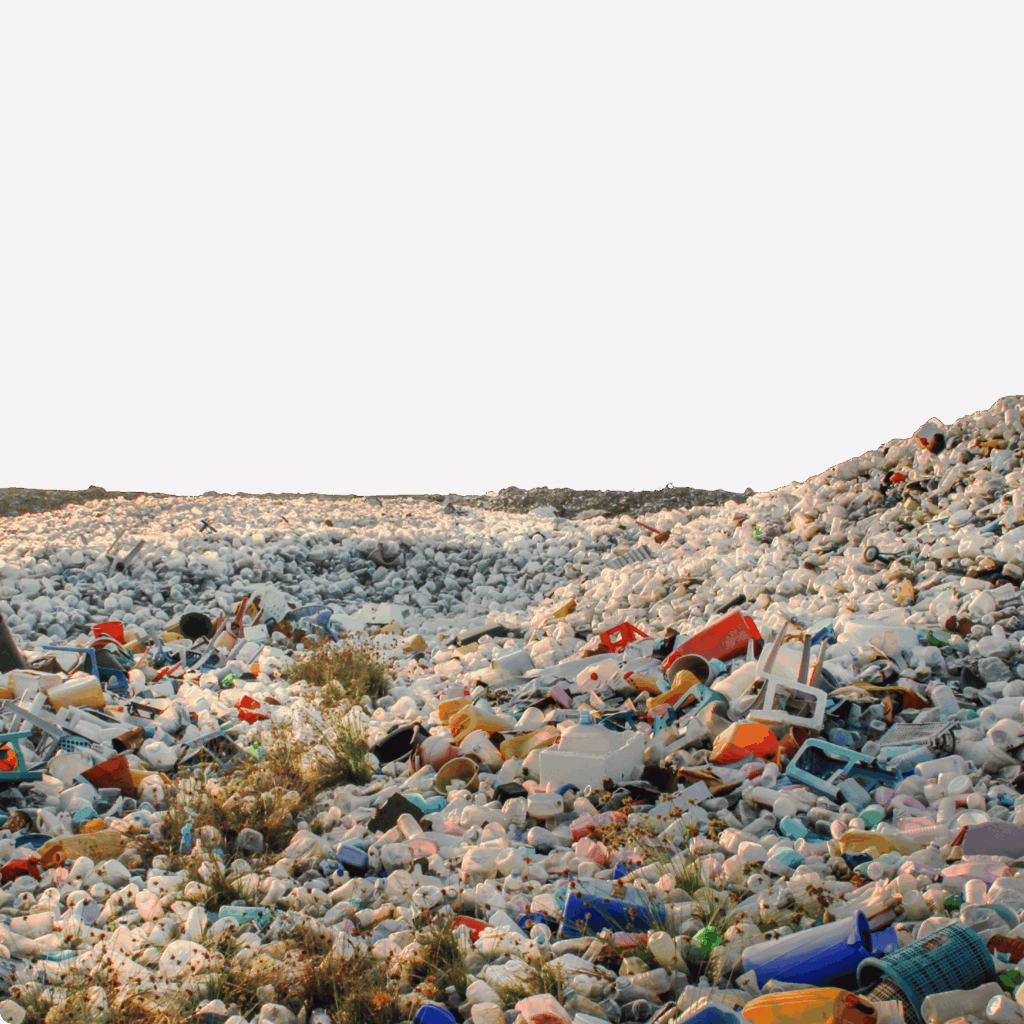
Municipal Waste Management Pillar
We provide foundational support to ICLEI Members across a range of sustainability services, expanded as a dedicated offering through the African Waste Centre to help municipalities drive meaningful change in waste management.
Governance support to strengthen sustainable waste governance within local and regional government authorities mandated to provide waste services:
Strategy and action plan development, aligned with city master planning
Training and capacity building, including site visits and trade visits
Peer-to-peer learning and exchange for context-relevant action and innovation
Multi-level governance engagement to drive systems change
Sustainable public procurement to achieve efficiency
Conceptualising projects for entry into project preparation pipelines
Technical assistance to address gaps in waste management activities and advance service delivery:
Landfill management and gas testing
Decentralised waste transfer infrastructure planning and design
Logistics and maintenance planning
Labour planning
Regulatory compliance
Municipal concessions and site plans for material recovery and mechanical biological treatment facilities
Investment readiness and feasibility studies, covering waste transfer and material recovery facilities, biogas production, waste to energy, black soldier fly farming, and jurisdiction-wide separation at source programmes
Corporate Sustainability Advisory Pillar
The African Waste Centre offers tailored services for companies, groups and subsidiaries operating in, exporting from, or expanding across the African continent, helping to reduce regulatory risk, improve resource efficiency and control costs:
Waste, circular economy and resource-efficiency strategies: audits, site diagnostics, and corporate circular-economy or zero-waste implementation roadmaps
Compliance and certification support: ESG, ISO 14001, green certifications, EIAs, and permit and audit approvals
Municipal and governmental brokering: navigating relationships, permitting and licensing pathways between corporates and national and subnational government
Circular design solutions for protype development or byproduct mapping from extra resources
Policy navigation and regulatory readiness: EPR, landfill restrictions, local bylaws, and waste disposal and pollutant standards
Export-linked compliance: EPR, HS codes, customs, tax, and EU-facing requirements such as the Basel Convention, CBAM, recycled minimum content in plastics, and carbon accounting
Investment guidance and facilitation: contract advisory and management for subcontracted waste disposal, recycling and compliance services, plus investment guidance for on-site waste management and recovery systems
The Beyond Burning Alliance
The Beyond Burning Alliance, which originated as the Multi-Stakeholder Partnership to End Open Waste Burning, is the Centre’s flagship initiative. Open burning is one of the most widespread and damaging waste practices on the continent, driving air pollution, greenhouse gas emissions and respiratory illness in the communities least able to bear it.
The Alliance convenes cities, development partners and civil society around a shared commitment to eliminate open burning, in support of AMCEN’s goal to end the practice by 2040. It brings together founding signatory cities, clear governance structures, and coordinated advocacy at global, regional and local levels.
Key projects supported by the African Waste Centre to date
GAP SUP Programme: tailored support to municipalities in Morocco, Tunisia, Kenya and Uganda on waste infrastructure and operations, from CAD optimisation and floor planning for Material Recovery Facilities to cost-reflective tariff models, weighbridge systems, and landfill compliance and safety checklists.
Rwanda E-Motos: an end-of-life and circular economy strategy for Rwanda’s rapidly electrifying motorcycle fleet, including EPR financing design, modular collection and depollution infrastructure, and a digital traceability system, positioning Rwanda as a model for East Africa’s e-mobility transition.
AfriFoodLinks: supporting large FMCG food manufacturers to integrate EPR strategies into their operations, in the context of a food-waste-to-landfill ban and broader corporate sustainability.
Covenant of Mayors in Sub-Saharan Africa (CoM SSA): as Secretariat and Technical Helpdesk, supporting over 270 cities with emissions inventories, vulnerability assessments and early-stage infrastructure planning, including waste-sector emissions, methane capture and climate finance readiness.
UrbanShift: helping the City of Freetown and national stakeholders identify and deploy practical waste, recycling and recovery technologies suited to Sierra Leone’s budget and capacity context, engaging municipal departments, ministries, private providers and community organisations.
Food4Rebuilding: partnering with the FAO and national departments after the 2021 unrest in Gauteng and KwaZulu-Natal to build resilient, inclusive food systems, integrating food waste reduction, redistribution and circular economy principles into replicable organic waste diversion models.
Promoting the Circular Economy through Textiles: advancing circular economy approaches across the textile and garment sectors of Ethiopia, Lesotho, Madagascar and South Africa, addressing upstream resource use and green chemistry alongside downstream chemical waste, reuse, and recycling. Delivered with the GEF and UNIDO.
Potsdam – A One Hectare Circular Farm and Learning Hub: an urban demonstration project in Cape Town trialling ward-level organic waste treatment as a model for decentralised organics management. The first pilot under the City of Cape Town’s Potsdam Sustainability Campus, funded by the Department of Science and Innovation through the CSIR.
Together, these engagements position ICLEI Africa as a long-term implementation partner with the technical experience, convening power and institutional memory to deliver integrated waste management outcomes.