
 Follow a
  See our
  View our
 Download the
24 November 2025
African priorities and perspectives at COP30 and the 2025 G20 Summit

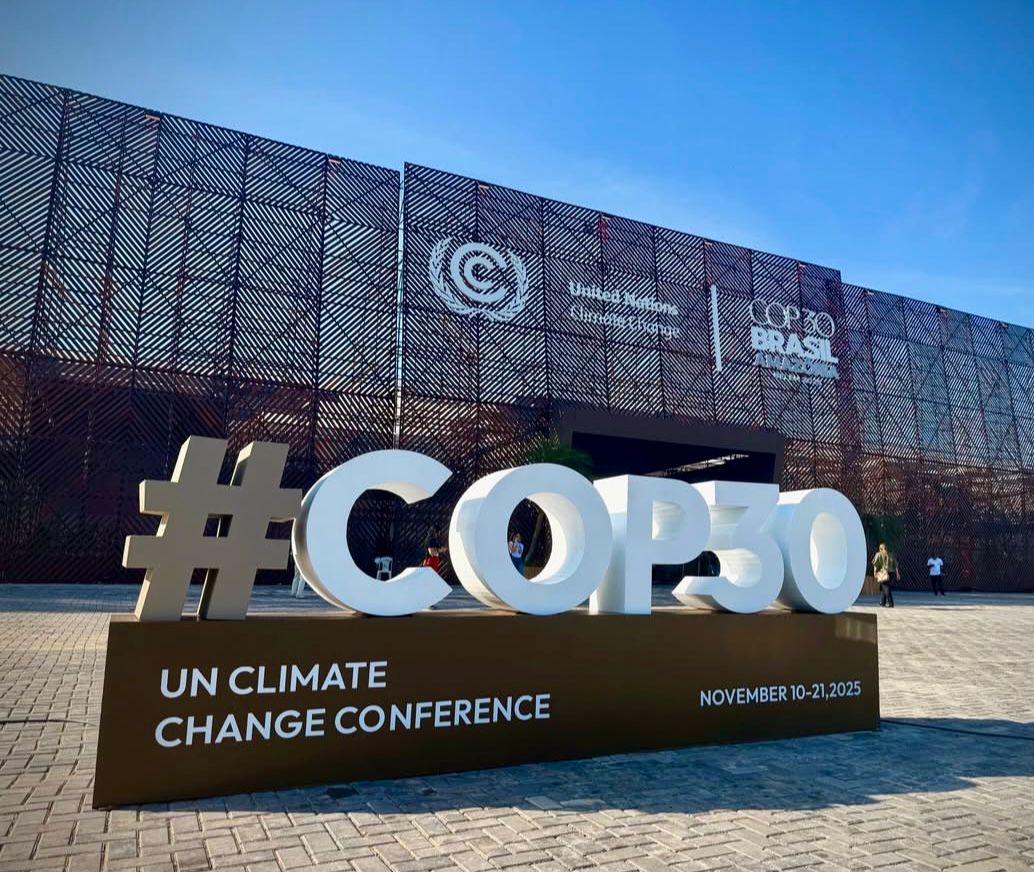

COP30 in Belém (Brazil) has reinforced a clear message: all attention and focus must now be on implementation, and that begins at the local level. Marking a decade since the landmark Paris Agreement, COP30 unfolded against a sobering backdrop: global climate action remains far off track, with the world heading toward a 1.5 °C overshoot, which will have devastating consequences for the world’s most vulnerable nations. Recent global events have reflected that multilateralism is under pressure: consensus is slow, and global and national commitments continue to face operationalisation challenges.
The COP30 final text, titled the “global mutirão”, calls for the tripling of adaptation finance by 2035, a new “Belem mission” to increase collective actions to cut emissions and disappointingly, no “roadmap” for transitioning away from fossil fuels.
At the same time, the recent G20 Summit in South Africa – the first on African soil – reaffirmed the Paris Agreement’s goals and high-level commitments, including intensifying efforts to achieve global net zero greenhouse gas emissions by or around mid-century and emphasising scaled-up climate finance and for strengthened resilience, especially to disaster events. The G20 Leaders’ Declaration strongly elevates African priorities, from the just energy transition, to food security, clean cooking and finance for sustainable development. South Africa’s successful leadership of the 2025 G20 Summit paves the way for an impactful, Africa-led COP32 in Ethiopia.
Throughout COP30, there was acknowledgement of subnational governments, as Ana Toni, COP30 CEO, remarked, “I believe cities’ actions are the big news of COP30.” COP30 President Ambassador André Corrêa do Lago also echoed what ICLEI and local governments have voiced for years: “the presence of governors and mayors is the most important, because subnational governments play an absolutely crucial role in implementing the decisions made at the COPs.”
Six key takeaways for African local governments
1. Focus on adaptation
Adaptation was a central focus at COP30. In the Belém Package, Parties call for the tripling of adaptation finance by 2035. The Fostering Investible National Implementation (FINI) initiative was launched to make National Adaptation Plans (NAPs) investible. By bringing together countries, development banks, insurers, and private investors, By 2028, the initiative plans to mobilise investment pipelines to raise $1 trillion in adaptation finance.
In Cameroon, ICLEI Africa’s BRIDGE project is already making this a reality: by partnering with FEICOM, the country’s key decentralised finance institution, BRIDGE has supported the institutionalisation of a subnational climate funding window, trained 100+ local knowledge brokers, and helped secure hundreds of thousands of dollars for locally led adaptation projects. Through tools like a project prioritisation matrix and a tool that maps adaptation finance flows, the project is bridging gaps between international and national plans and on-the-ground impact, proving that investible adaptation starts with local capacity and nationally-led transparency.
2. Support for the reform of the international finance architecture.
The Belém Package makes a strong link back to the New Collective Quantified Goal agreed last year at COP29, where Parties committed to mobilising USD 300 billion annually by 2035. The Belém Package also welcomes ongoing efforts to reform the international financial architecture — a position echoed in the G20 Declaration, which commits to strengthening the global sustainable finance system by improving coordination and interoperability among Multilateral Development Banks (MDBs), national development banks, and funds they have access to. The G20 Declaration further affirms the need for significantly increased global investment to meet climate goals and underscores the importance of mobilising private sector finance, including through innovative instruments, risk-sharing tools and country-led investment approaches tailored to national contexts.
In addition to ICLEI’s global advocacy role related to the mobilisation of finance for city-scale action, ICLEI Africa is walking the talk, by designing a dedicated blended-finance mechanism tailored to the realities of local governments. The ReMARK instrument aims to address a critical gap in the current finance architecture, which does not effectively channel resources to community-serving food market infrastructure.
3. Speeding up implementation
A new “Global Implementation Accelerator”, under the leadership of the COP30 and COP31 Presidencies, was launched. This collaborative and voluntary initiative is designed to support countries in implementing their NDCs and National Adaptation Plans (NAPs).
ICLEI Africa is advancing this agenda by using grant funding as catalytic capital to crowd in private-sector participation. In Uganda, through the ENACT programme, we are driving the country’s clean cooking revolution with the Ministry of Energy’s Clean Cooking Unit, by setting up a Grant Facility that provides catalytic grants to local SMEs to take their clean cooking solutions from non-financially viable to financially viable in informal settlement contexts. Additionally, our waste management report, launched at COP30, houses tangible context-relevant solutions that hold potential for transforming African cities’ most prioritised challenge – waste management.
4. Just Transitions
At COP30, Parties approved the Just Transition Mechanism that puts people and equity at the center of the fight against climate change, and the transformation of the global economy. The mechanism aims to enhance international cooperation, technical assistance, capacity-building, and knowledge-sharing, mobilise finance, and support the mainstreaming of equitable, inclusive just transitions. This is a significant step in translating the principles of the Just Transition Work Programme into concrete action on the ground. As the tier of government closest to implementation, it will be crucial for the Mechanism to support the work of subnational governments in just transitions.
ICLEI Africa’s municipal-enabled renewable energy projects reports, launched at COP30, are empowering municipalities to develop bankable projects, and attract finance to drive South Africa’s just energy transition.
5. Clean cooking
The G20 adopted the Voluntary Infrastructure Investment Action Plan to Accelerate the Deployment of Clean Cooking Solutions, elevating clean cooking and targeting mobilisation of USD 1 billion annually, whilst encouraging stakeholders to stimulate localised capabilities that support affordable, reliable, and secure energy for all.
ICLEI Africa’s Clean Cooking Centre aligns directly with this call to action. Our work strengthens policy implementation at subnational level, builds local enterprise capabilities, and generates the data and evidence required for planning and investment.
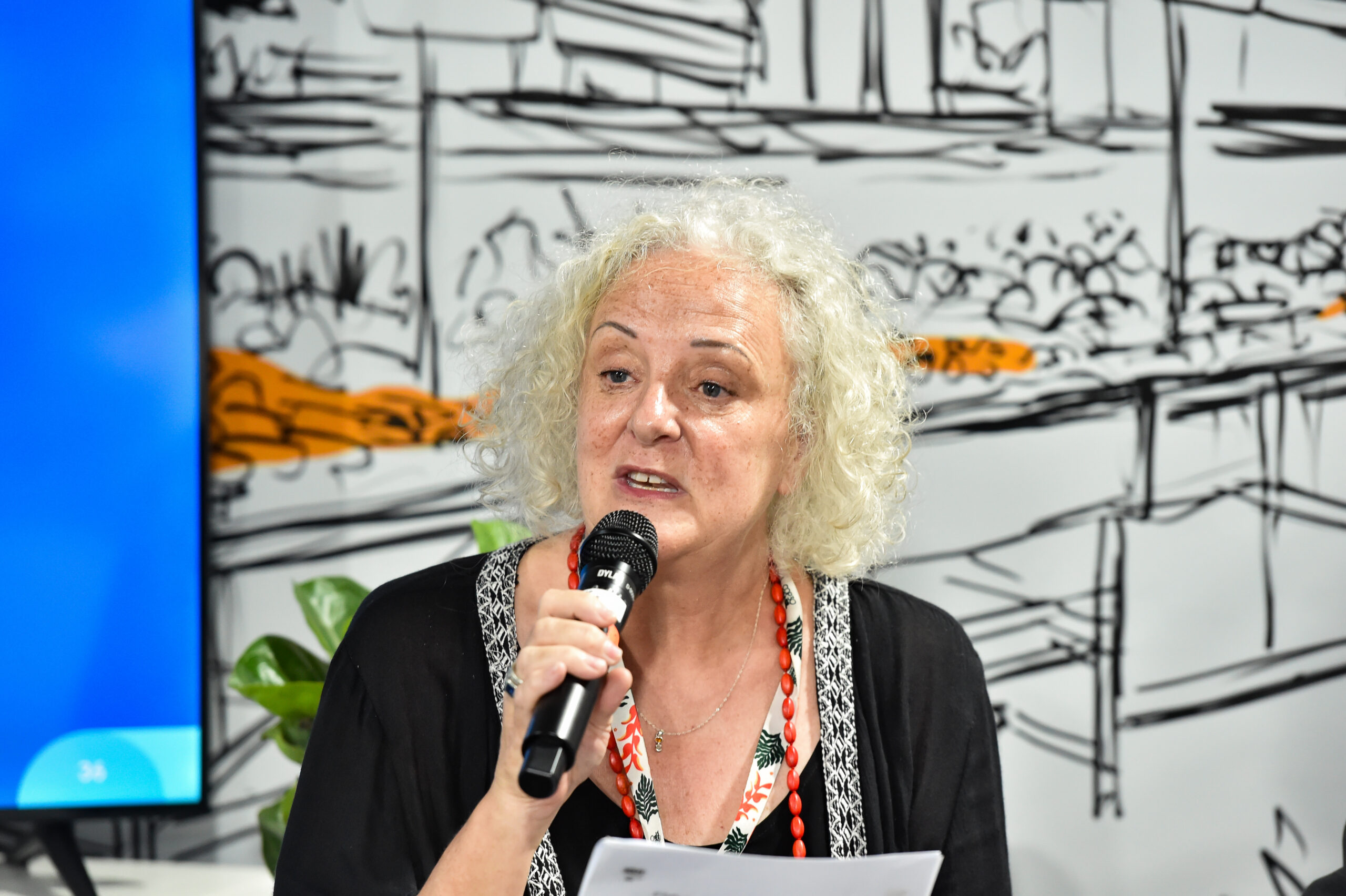
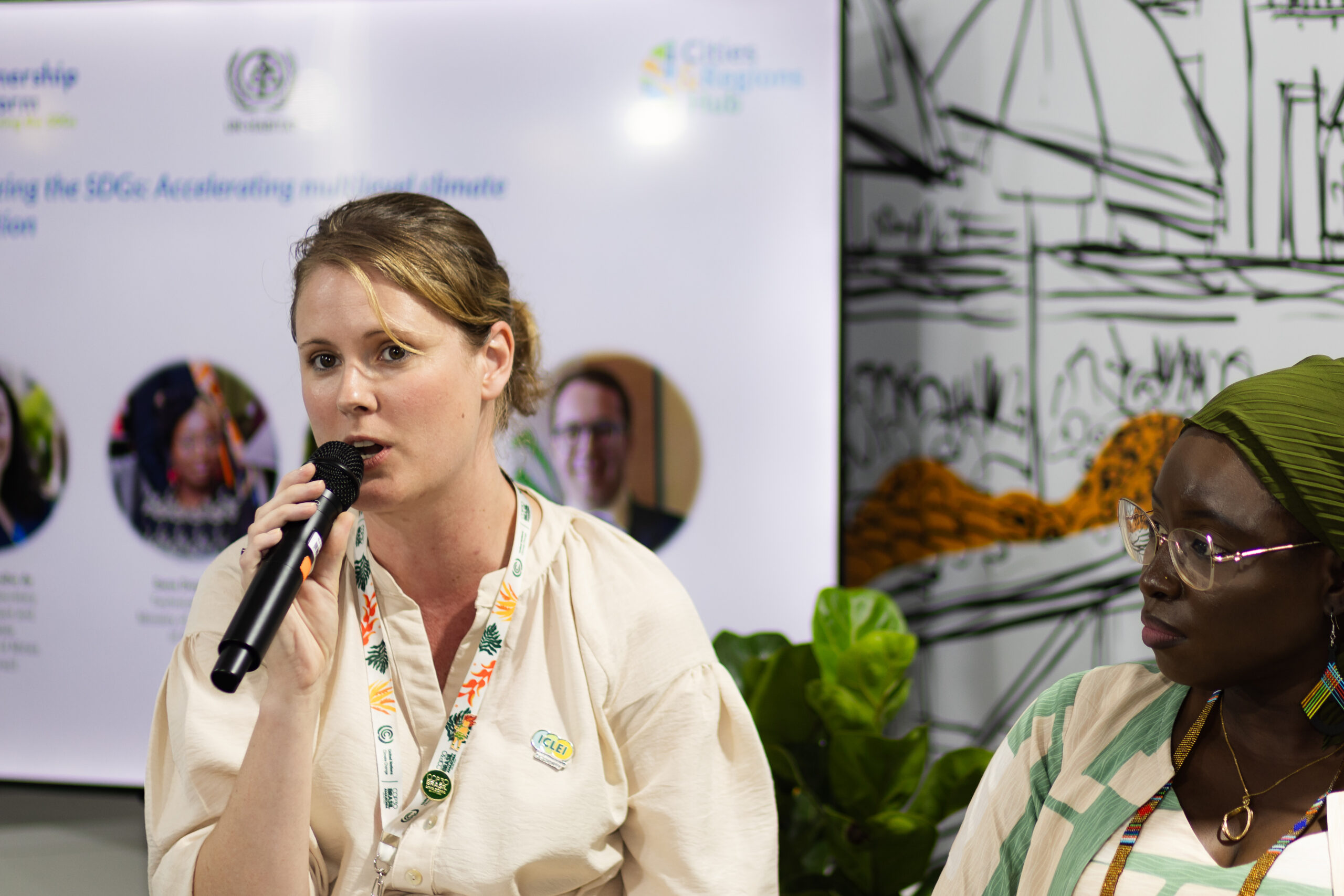
(Pictured on the right: ICLEI Africa’s Regional Director, Kobie Brand at COP30)
6. Strides in acknloweging culture and heritage
The operationalisation of culture and heritage along with the other thematics into adaptation policy is a result of five years of advocacy. This critical provision, agreed to at COP30, is a call to all adaptation planners and policymakers to weave culture into adaptation planning at local, regional, and national levels.
ICLEI’s Race to Resilience Culture initiative feeds directly into these gains by strengthening the evidence base for embedding cultural resilience within the new Belém Adaptation Indicators.
Building momentum towards COP30 through Town Hall COPs and the Local Leaders Forum
ICLEI Africa’s contribution to COP30 began months earlier through our Town Hall COPs initiative, which creates inclusive local platforms for co-creating climate solutions across all tiers of government and segments of society, to inform inclusive Nationally Determined Contributions (NDCs). Between August and October 2025, 18 Town Hall COPs were convened across six sub-Saharan African countries – the largest number of any region globally – producing actionable lessons and insights to inform the COP30 agenda. Access the report, launched at COP30, here.
In South Africa, where the national government formally endorsed the Town Hall COP model, nine deeply meaningful Town Hall COPs established a direct, formalised pathway between local and national governments for NDC implementation, a world first.
In November, subnational leaders from across the world gathered in Rio de Janeiro for the COP30 Local Leaders Forum (LLF), which produced a Joint Outcome Statement with three clear offers to national governments:
- Partnering in implementation,
- Mobilising finance for local action, and
- Ensuring the COP processes enable implementation and accountability.
The Statement was then carried to Belém and presented to UN Secretary-General António Guterres during the World Leaders Forum, held on the eve of COP30.
Throughout the LLF, ICLEI Africa Regional Executive Committee members connected with trailblazing subnational leaders worldwide, shaping the agenda that recognises cities as indispensable implementing agents for climate action.
Subnational governments front and centre at COP30
The Local Governments and Municipal Authorities (LGMA) Constituency – the recognised voice of cities and regions in UN climate negotiations, with ICLEI as the Focal Point – arrived in Belém equipped with the LGMA COP30 Joint Position, endorsed by over 50 networks representing tens of thousands of local and regional governments.
COP30 was marked with several high-level engagements where subnational governments were heard loud and clear. During the COP30 Opening Plenary, the LGMA’s statement – delivered by Rafael Fonteles, Governor of Piauí (Brazil) and President of Consórcio Nordeste – reinforced the constituency’s commitment to delivering solutions on the ground, calling for a “strong legacy for multilevel and urban collaboration.”
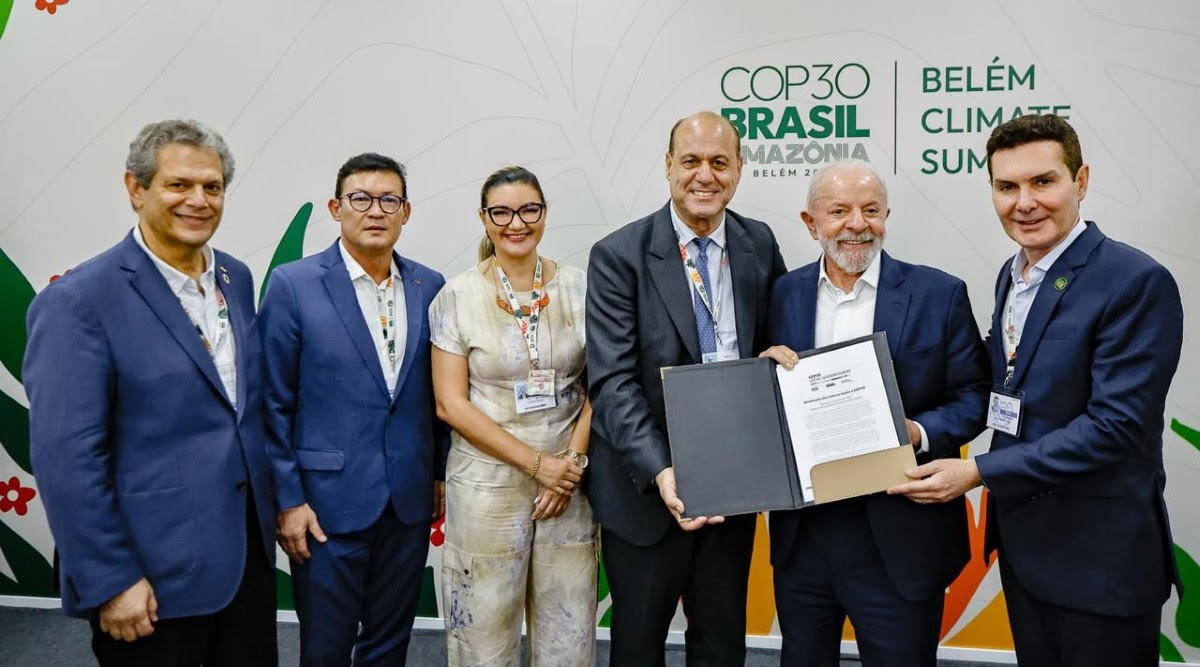
(Pictured on the right: Brazil’s President Lula meets with local and regional leaders (including ICLEI Vice President, Mayor of Chefchaouen (Morocco), Mohamed Sefiani) and hears LGMA negotiations proposal at COP30.)
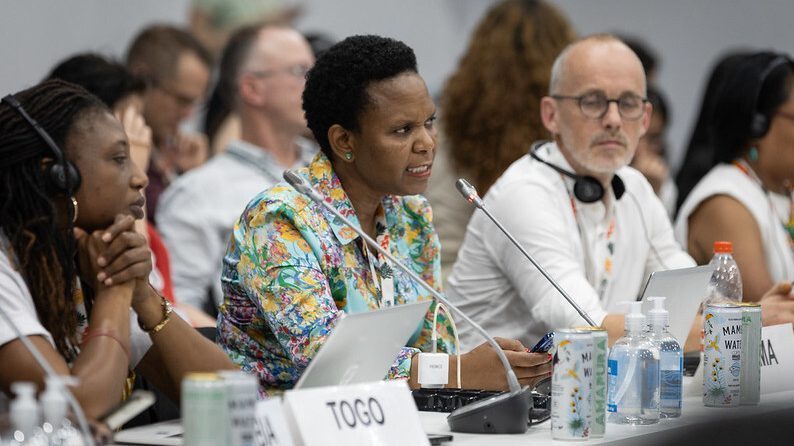
The LGMA brings specific messages to each thematic agenda in an effort to embed subnational recognition throughout the COP30 outcomes.At the COP30 Presidency’s Open Dialogue with Parties and NGO Constituencies, Dorah Marema from the South African Local Government Association (SALGA), an ICLEI member, represented the LGMA, delivering a statement on just energy transitions: “The Just Transition is not merely about sectors and economies; it is, first and foremost, about people.” She urged negotiators to move beyond a sectoral and economic lens and focus on the people whose lives are most affected by the green transition.
On Urban Day at COP30, the fourth edition of the Ministerial Meeting on Urbanisation and Climate Change was held, bringing together ministers, mayors, governors, and partners to accelerate climate action and to secure a dedicated space for subnational voices in the formal COP process.
“We have reached a broad agreement that a credible path to the Paris Agreement’s goals and a climate-resilient future requires multilevel and multisectoral cooperation, with strong synergies between national climate governance and urban development policies,” Jader Barbalho Filho, Minister of Cities of Brazil, as mentioned in the Summary of the Chair of the Ministerial Meeting.
During the Ministerial’s Cities and Nature session, ICLEI Africa’s Ingrid Coetzee remarked on progress made: “Following the leadership that Quebec has shown, we have been able to get hundreds of cities and regions reporting in CitiesWithNature and RegionsWithNature. What we have heard here is that you have to deal with the biodiversity, the climate, and pollution crises in tandem. We have heard here that these integrated plans are being developed. Together with UNEP and partners, we now have the data to build a case for increasing the investment in nature-based solutions at scale.
In the LGMA COP30 Outcomes press release the Constituency, affirms that local and other subnational governments will build on Belém’s outcomes to put multilevel action and urbanisation at the service of global climate implementation, read in full here.
African priorities and perspectives at COP30
Throughout the conference, across broad thematic areas, ICLEI Africa showcased the impactful work already happening across the continent, reflecting that “cities know what has to be done, are ready to deliver, and with support from national leaders, we will do the job.”
Multilevel action
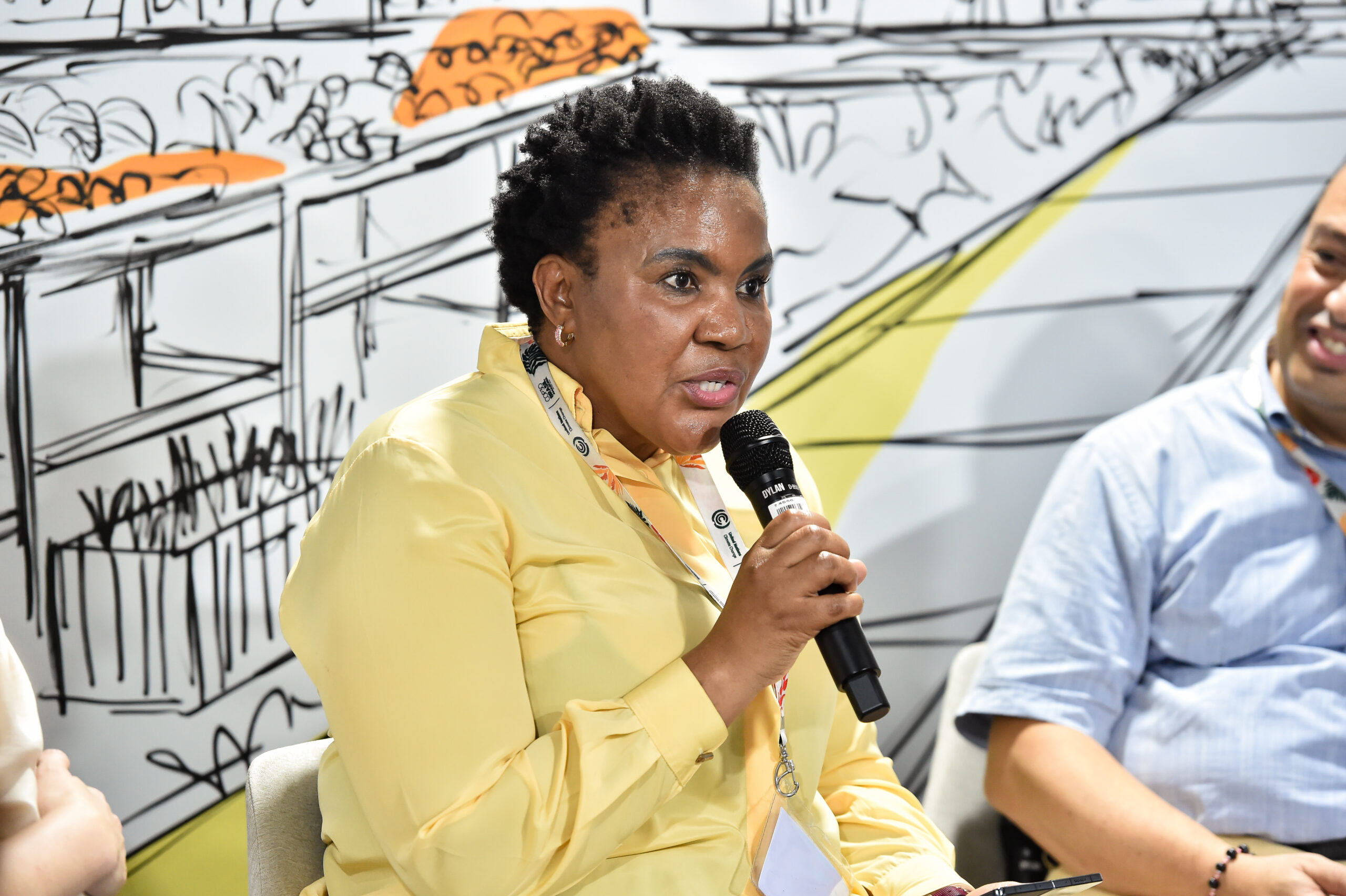
At a session focused on Town Hall COPs (THCs) in the Cities and Regions Hub, ICLEI member, Mayor of Tswelopele, Kenalemang Rose Phukuntsi, affirmed that the nine THCs, held across South Africa, fed directly into municipal climate response plans that are part of the National Climate Change Act implementation: “Our journey began in July 2025 when SALGA invited mayors to host Town Hall COPs. The response from mayors was remarkable. 60% of events included national representatives, creating a feedback loop between communities and policymakers.” (Pictured on the right)
Across COP30 events, stakeholders emphasised that THCs are the go-to platform for gathering perspectives from local governments, youth, non-state actors, and other groups, driving more inclusive national development policies and plans. ICLEI Africa’s new report, Convening Town Hall COPs across Sub-Saharan Africa, was launched at COP30. Access here.
Speaking in a session organised by UN-Habitat, ICLEI Africa’s Dr Kate Strachan underscored that systemic transformation starts with trusted relationships, aligned mandates and the political courage to decentralise power and resources, sharing an example from our INACCT project:
“In Durban, innovation and multilevel collaboration between national and provincial disaster agencies, city governments, and research institutions are enabling the first co-produced Community-Based Early Warning Systems to be scaled and this will protect over 63,000 people in informal settlements.This is only happening because the national, provincial and municipal levels agreed to pool mandates and knowledge, not compete over them.”
Waste management
At the Uganda Pavilion, in a session organised by the Uganda Development Bank, ICLEI Africa’s Regional Director, Kobie Brand, launched our latest deep-dive report on waste, No Time To Waste: Improving waste management in African cities, access here. Kobie brought attention to the fact that local governments typically hold the mandate for waste management services and delivery, and have considerable power to change behaviour through tariffs, subsidies, and landfill tipping fees – the prices that waste companies and generators pay to dump or recycle. The key lever that local government is in control of is ensuring that dumping waste costs more than recycling it.
Just energy transition
In a session titled, Strengthening municipal capabilities for South Africa’s just energy transition and climate action through multilevel approaches, ICLEI Africa’s Dr Meggan Spires, via virtual participation, launched two new guidance reports which provide practical guidance for municipalities to assess their readiness to participate in the just energy transition. Access the reports here. This session was hosted as part of our JMEG project. Meggan stressed the need to strengthen local government capabilities for the just energy transition: “The electricity sector in South Africa is evolving deeply, and municipalities must evolve alongside. They need to be able to position themselves in the sector while taking up the role of enabling and enacting local just energy transitions – and this is what the JMEG project supports.”
Climate finance
Country platforms were a key focus at COP30. During a session organised by FMDV, drawing on experience from ICLEI Africa’s Sustainable Finance Centre, Dr Meggan Spires stressed the importance of national coordination: Only when we have linked our work focused on developing high-quality locally developed projects with nationally coordinated processes, have we seen success. Watch her full intervention here.
Speaking at the Belém High-Level Roundtable on Mutirão for science and research in cities for actionable policies, SALGA Deputy President, Xola Pakati highlighted the opportunity for the forthcoming IPCC Special Report on Cities to ensure that the science and policy recommendations work for local governments and are actionable: “Local governments often have strong plans but limited means to act. It is thus crucial to support local governments in translating risk data and aaptation priorities into bankable investment cases and to use science-policy dialogues to support stronger investment cases.”
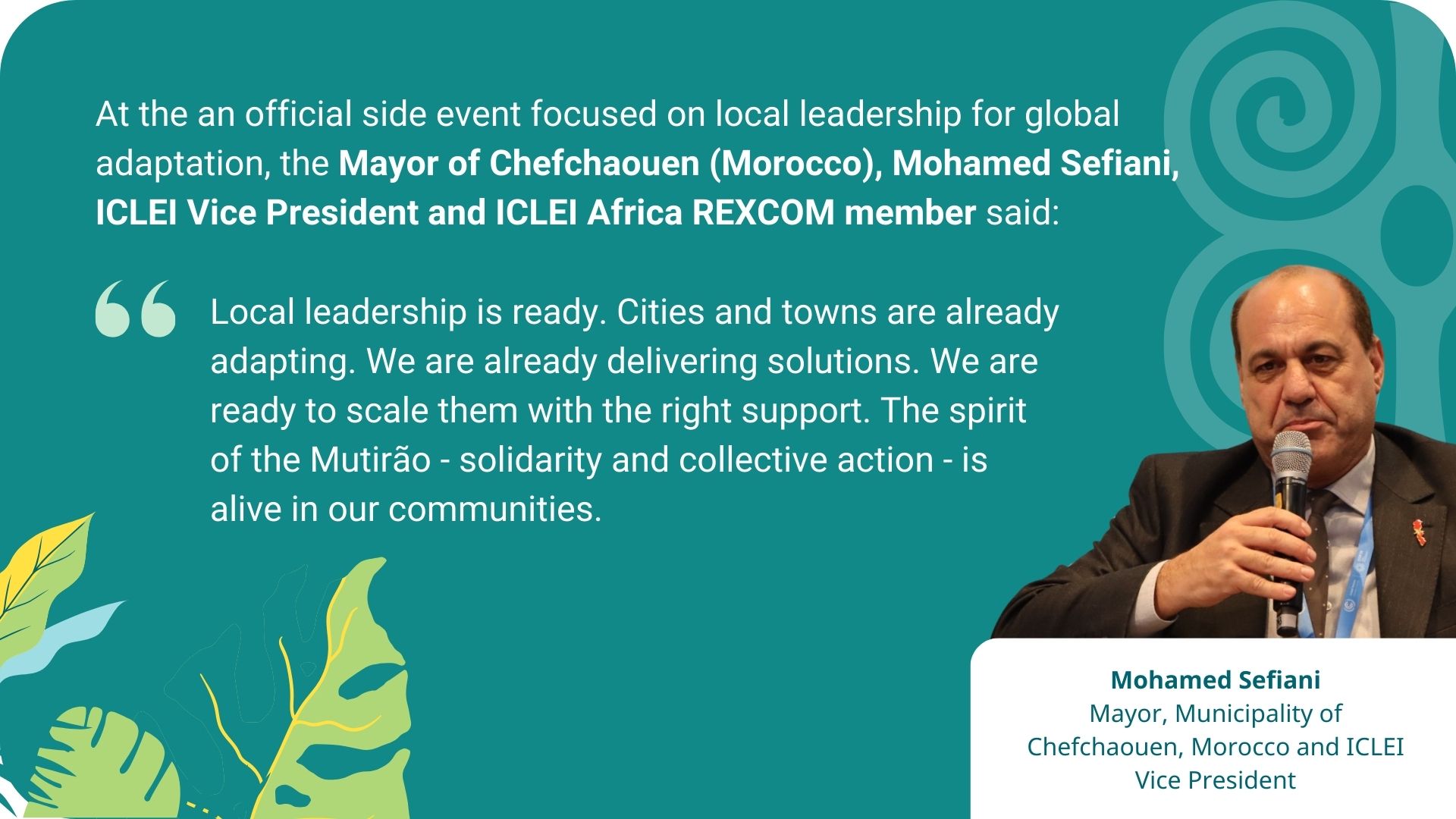
In a session organised by GlobalABC, ICLEI Vice President and ICLEI Africa REXCOM member, Mayor of Chefchaouen (Morocco), Mohamed Sefiani, emphasised that cities are ready to deliver and now need a financial system ready to finance locally-led action.
ICLEI has placed ‘urban’ firmly on the sustainability agenda, advocating for local and subnational governments in the global arena for over 30 years. We will continue to emphasise the critical role of cities in shaping national and international sustainability agendas and showcase, in tangible ways, how urban action contributes to the achievement of major global agreements. At the same time, we support subnational governments on their sustainability journeys. The COP30 and G20 outcomes reinforce that the next phase of climate action depends on local leadership and the capacity of cities and municipalities to translate global commitments into meaningful local impact.