IMPACT AREA 4 - ICLEI Africa

IMPACT AREA 4

Building capacity, agency and leadership

Many African cities face institutional constraints that limit their ability to take action, even when the political will exists. Without the skills, confidence, resources or tools to drive change, efforts to mainstream nature often stall.


The UNA project invested in people as much as in plans. Through learning labs, mentorship and tailored training sessions, the project supported government and community actors to develop the leadership, technical know-how, skills, improved understanding and the confidence to take action. This human-centred approach laid the groundwork for more resilient, locally led governance.

4a

Empowering stakeholders to act

By supporting training, mentorship and on-the-ground technical support, the UNA project built confidence and leadership among both officials and community members. This helped cities create a cohort of changemakers who can drive urban resilience from within.

Case study

In Quelimane, city officials struggled to make the case for nature. They lacked the tools, confidence and institutional support to integrate natural assets into planning and investment decisions. Through the UNA project, they took part in a transformative learning process that prioritised dialogue over instruction. Officials participated in learning labs, co-creation sessions and mentorship that focused on unpacking biodiversity finance, developing pre-feasibility studies and crafting fundable project ideas. This approach transformed how departments work together, building both technical capacity and confidence. The dialogic, hands-on method employed in learning labs is a hallmark of the UNA approach. It is applied across all partner cities and tailored to each context’s specific learning and capacity needs. Today, Quelimane’s officials are not only better equipped to plan with nature; they’re leading that conversation. Working with communities and stakeholders, they are restoring the city’s mangroves to reduce risk, safeguard nature and people, and improve livelihoods in vulnerable neighbourhoods. 


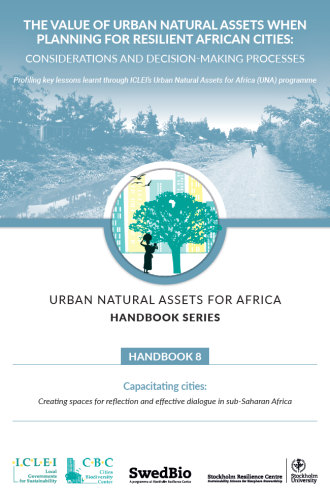
Explore the UNA Handbook Series to learn more about how this approach can be applied: 

In Quelimane, we…are restoring mangroves in the biggest settlements that are inside in the risk area of wetlands… We work with the community to adapt, as a neighborhood, with the risk of climate change, to relocate their structures in order to build their house(s) accordingly with climate efforts.

Eduardo Pelembe, Technician: Quelimane Composting Centre, Quelimane City Council

4b

Empowering youth as changemakers for nature
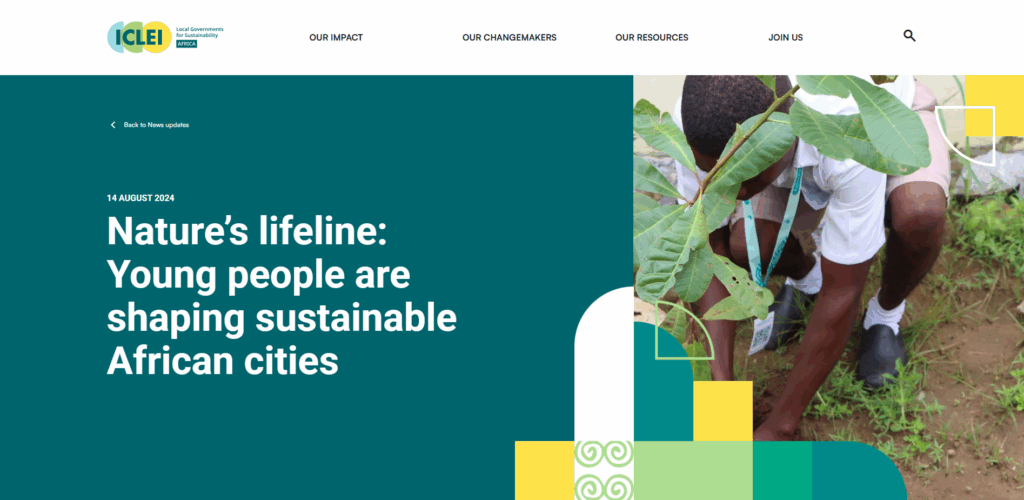
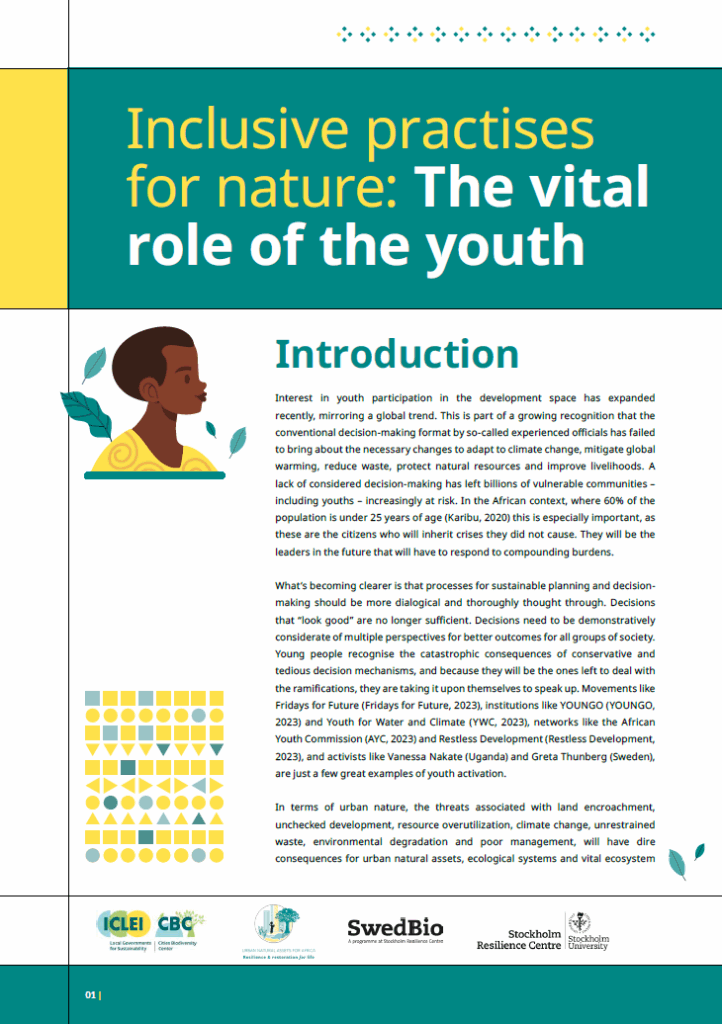
Youth are vital changemakers in urban development, bringing innovation, energy and fresh perspectives to shape nature-positive and inclusive cities. With over 60 per cent of Africa’s population under the age of 25, empowering young people in planning and governance helps ensure resilient and inclusive urban futures. By recognising youth as active partners in planning and decision-making, cities can drive inclusive transformation and unlock a resilient and nature-positive urban future. From participatory visioning to artistic expression and on-the-ground pilots, the UNA project actively engaged youth as drivers of change. It leveraged their fresh perspectives, innovation and drive to build more inclusive, nature-positive and resilient cities.

Case study

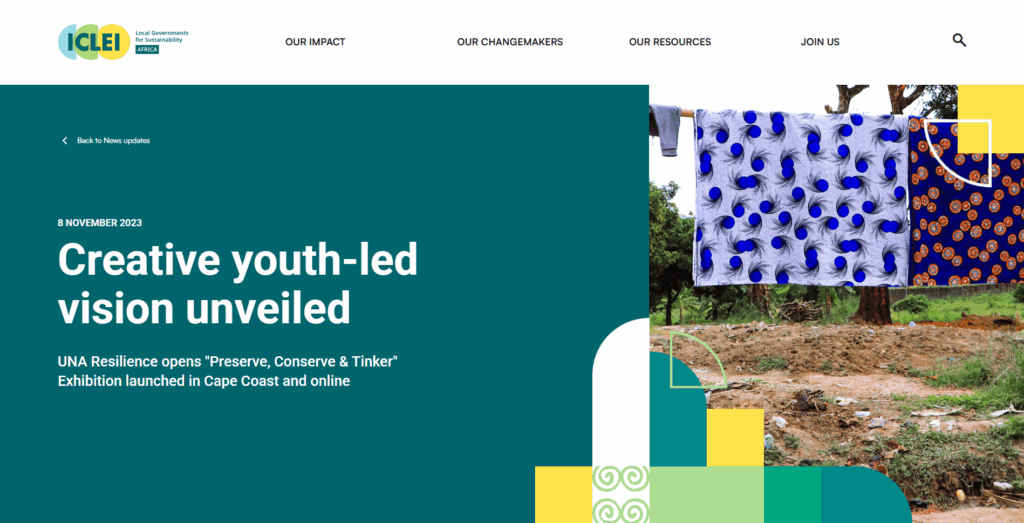
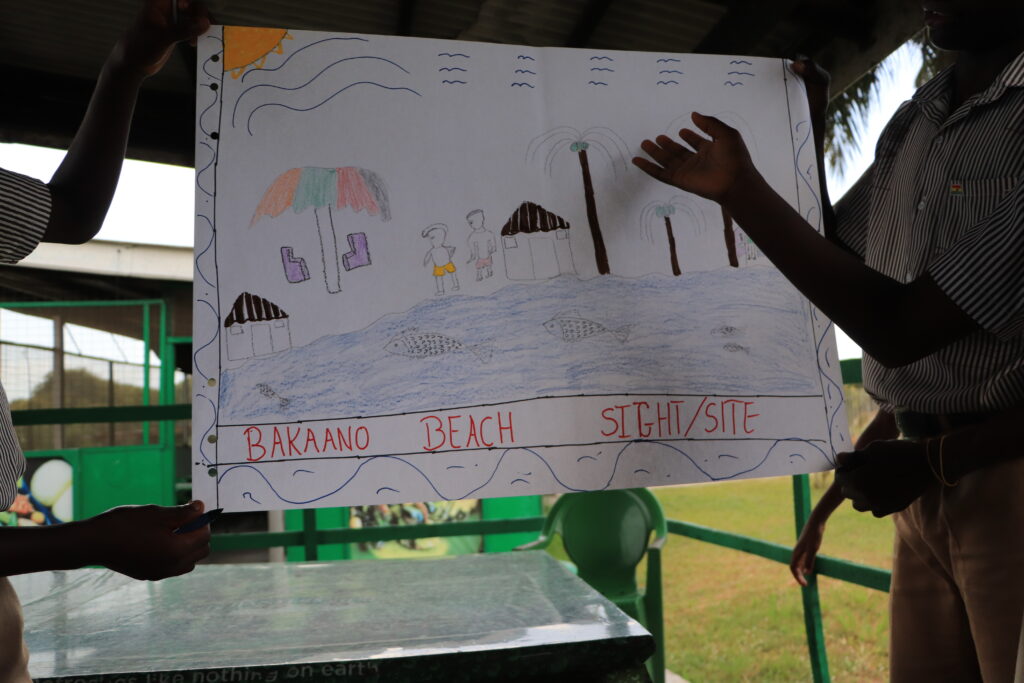
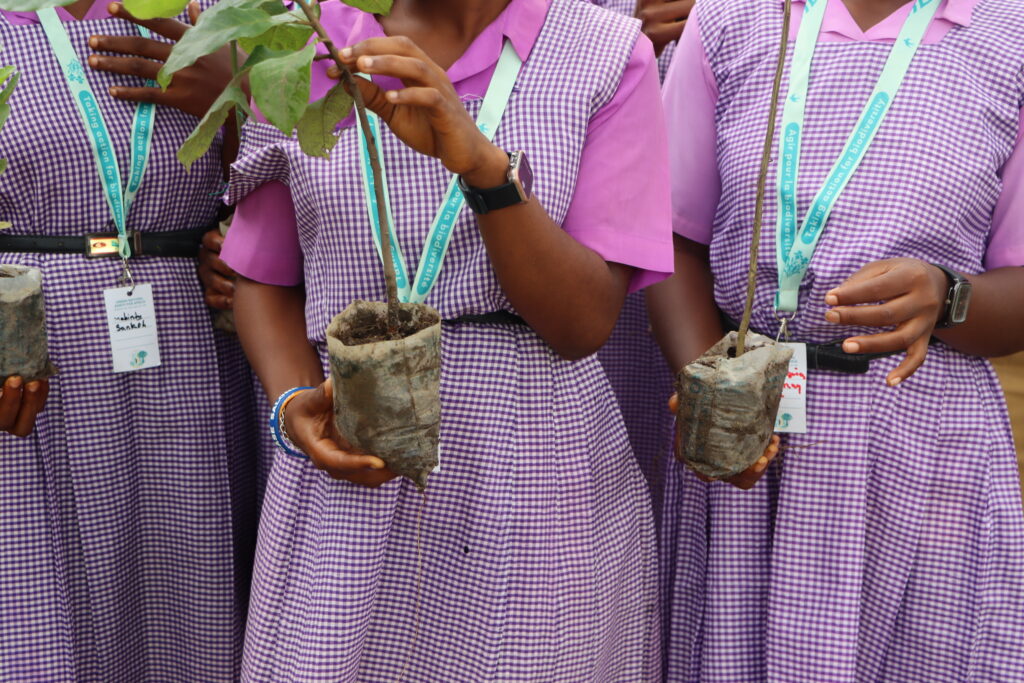
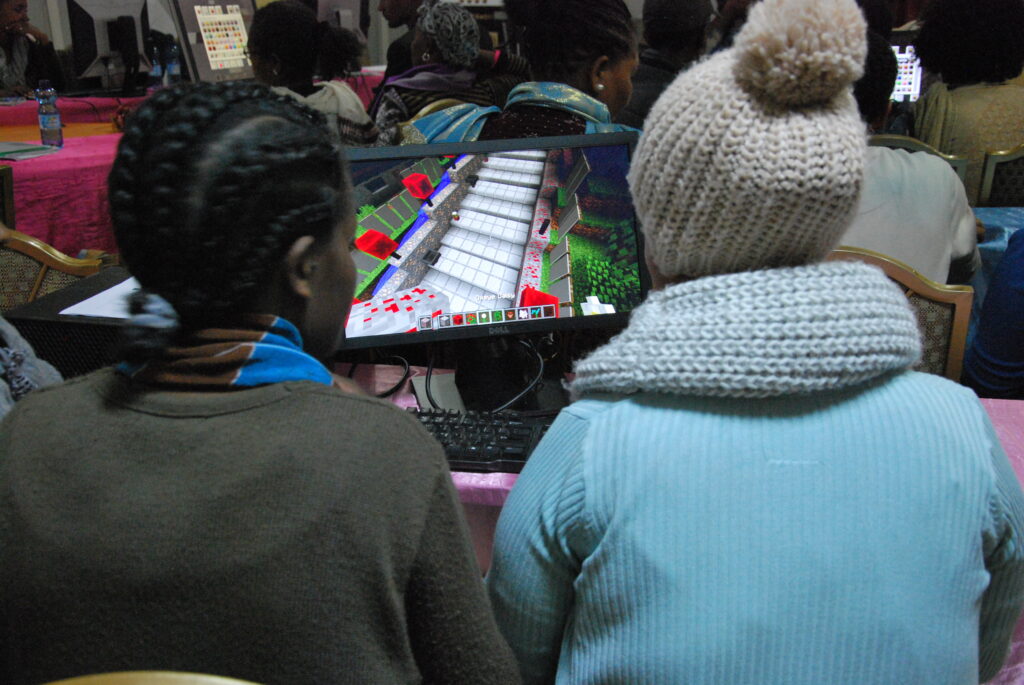
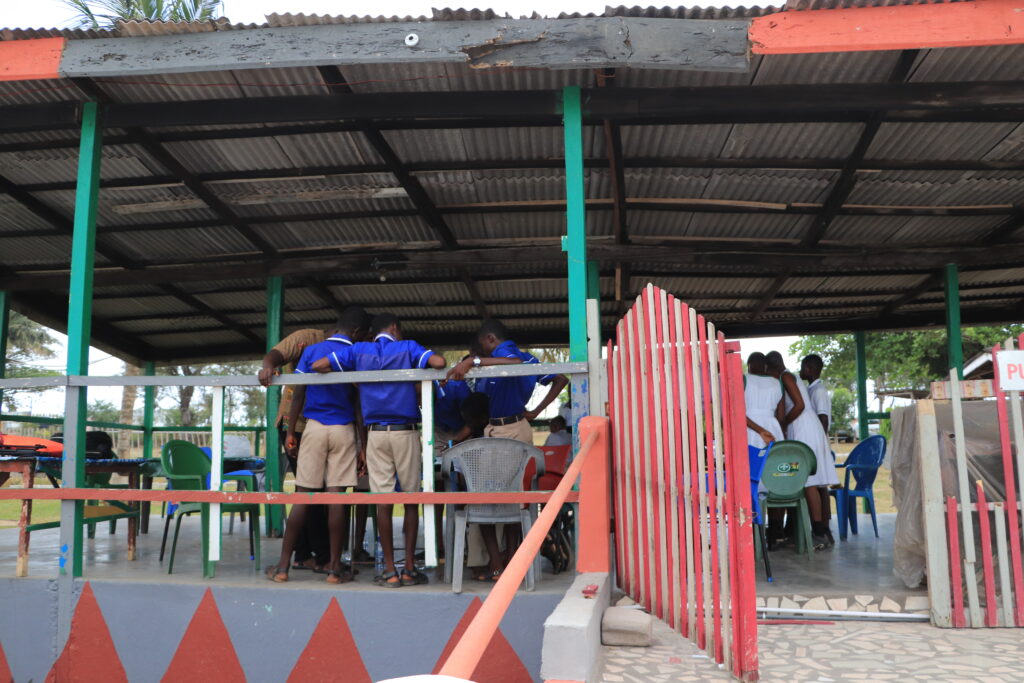
In Cape Coast and Bo City, the UNA project created meaningful spaces for young people to engage with urban nature and envision more resilient cities. Through intergenerational learning labs, youth activation days and creative workshops, local students explored the value of natural assets and shared bold ideas for the future through drawings and dialogue with decision-makers. These participatory experiences helped shift perceptions, empowering youth to see themselves as future leaders and inspiring city officials to take their voices seriously. The UNA project partnered with youth organisations to run educational and tree-planting exercises in the city, incorporating youth voices throughout the conceptualisation of the Preserve, Conserve and Tinker exhibition. This initiative invited youth to envision their city’s future and make commitments for nature.


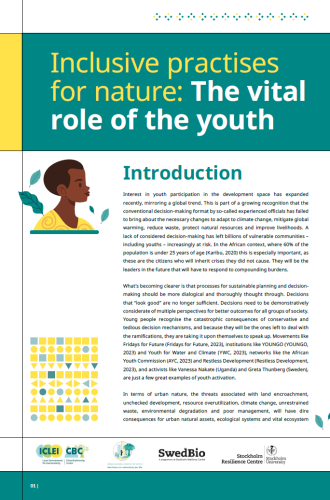
Read more about how youth were engaged in UNA cities:

Nature’s lifeline: Young people are shaping sustainable African cities

Inclusive practises for nature: the vital role of the youth

Creative youth-led vision unveiled

4c

Knowledge and capability to act

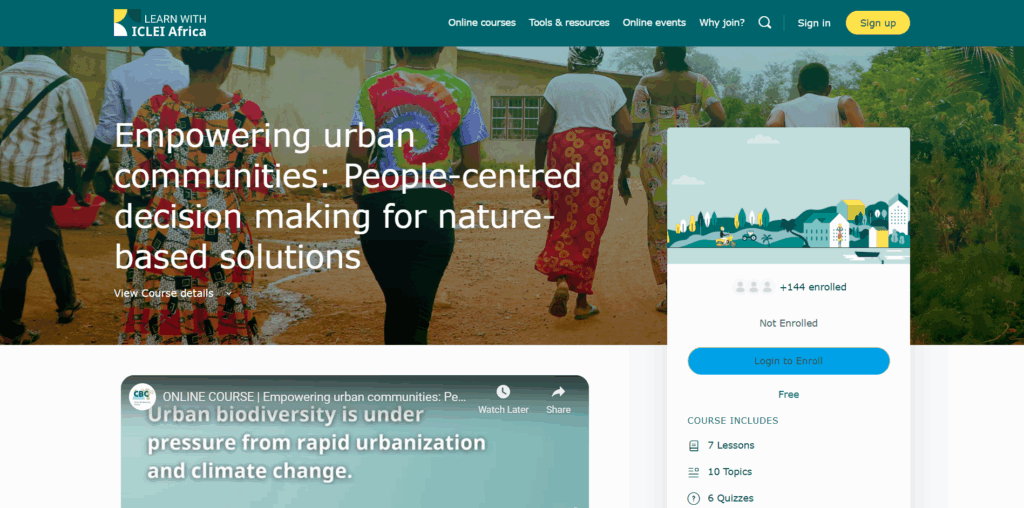
The UNA project developed a wide range of accessible learning tools and facilitated knowledge exchange across cities. These resources made complex concepts easier to understand and gave cities the practical capabilities needed to take action. The project developed a facilitated training course to build capacity around alternative approaches to planning. It also developed a closed training series on rights-based approaches, planning, finance and governance for NbS. This was expanded into a free, self-taught online course geared towards city officials, hosted on the Learn with ICLEI Africa platform, focused on people-centred design for NbS. The course helps cities reflect on the deeper values that drive their work and make more ethical and inclusive choices.

Pathway resources

Mainstreaming nature in decision-making and planning

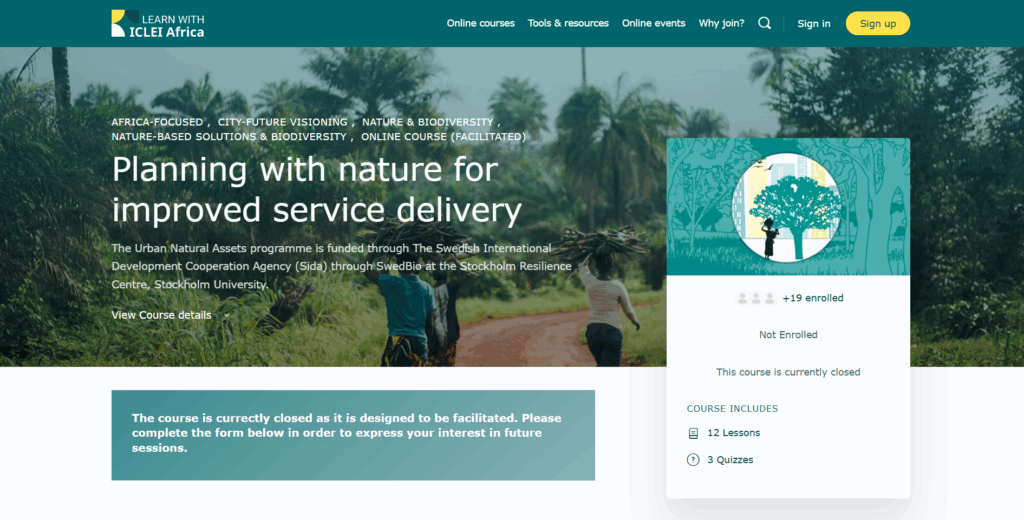
Online facilitated course – Planning with nature for improved service delivery

Online course – Empowering urban communities: People-centred decision making for nature-based solutions

Handbook 8: Capacitating cities

Inclusive practices for nature: The vital role of the youth

ICLEI Africa

ICLEI - Local Governments for Sustainability is a global network working with more than 2500 local and regional governments committed to sustainable urban development. Active in 125+ countries, we influence sustainability policy and drive local action for low emission, nature-based, equitable, resilient and circular development.

Subscribe to our News

iclei africa & initiatives
Stay in the loop

Sign up to our newsletter

Sharing impactful, innovative and inclusive action in African cities and regions