Life-saving flood preparedness video launched for vulnerable urban communities
In a significant step toward saving lives in flood-prone urban communities, the INACCT Resilience projectlaunched a flood preparedness video designed specifically for informal settlements in coastal African cities.
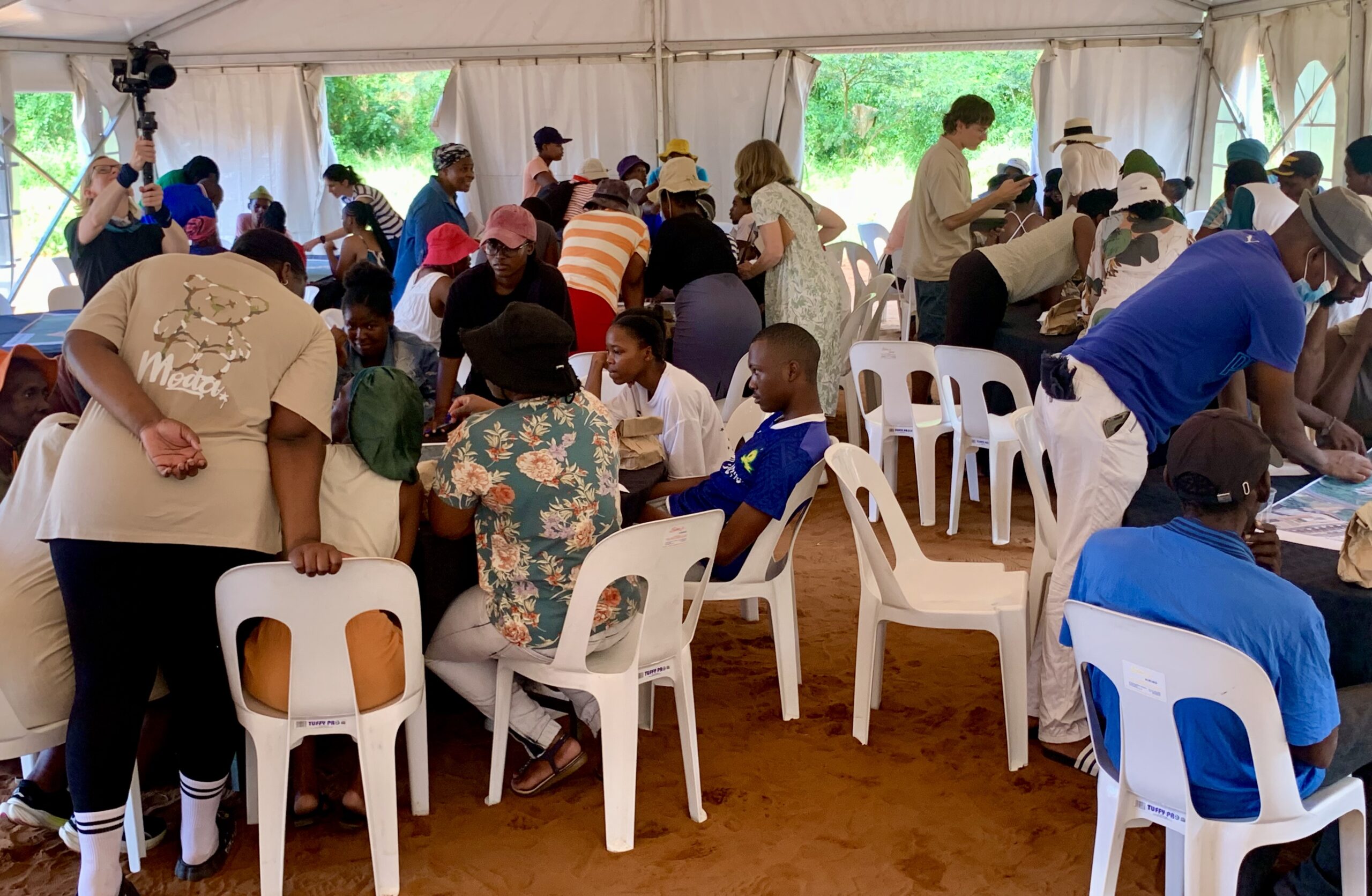
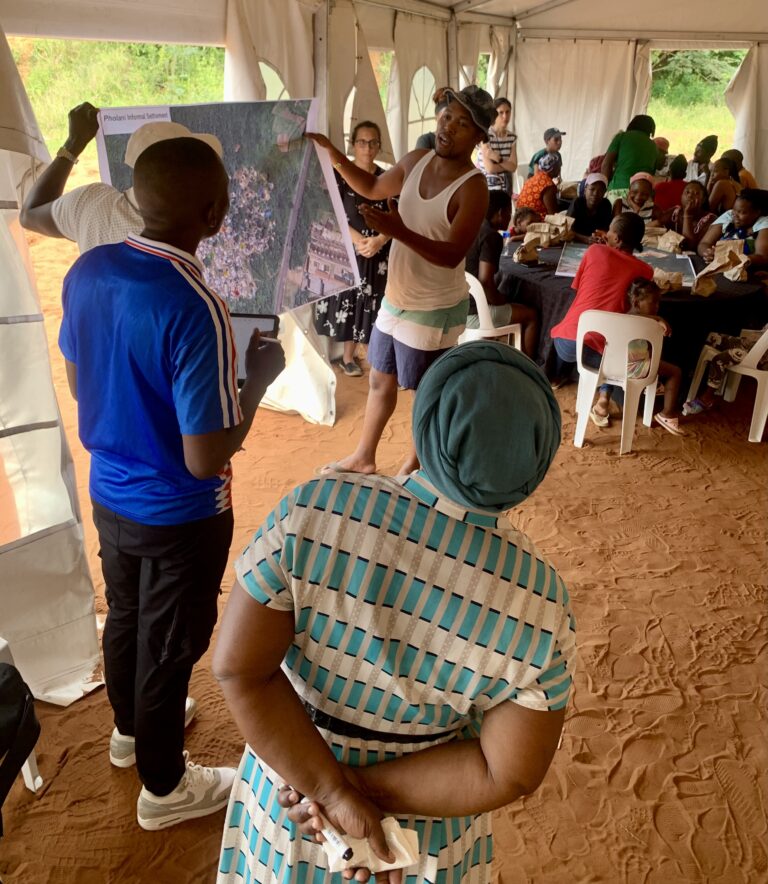
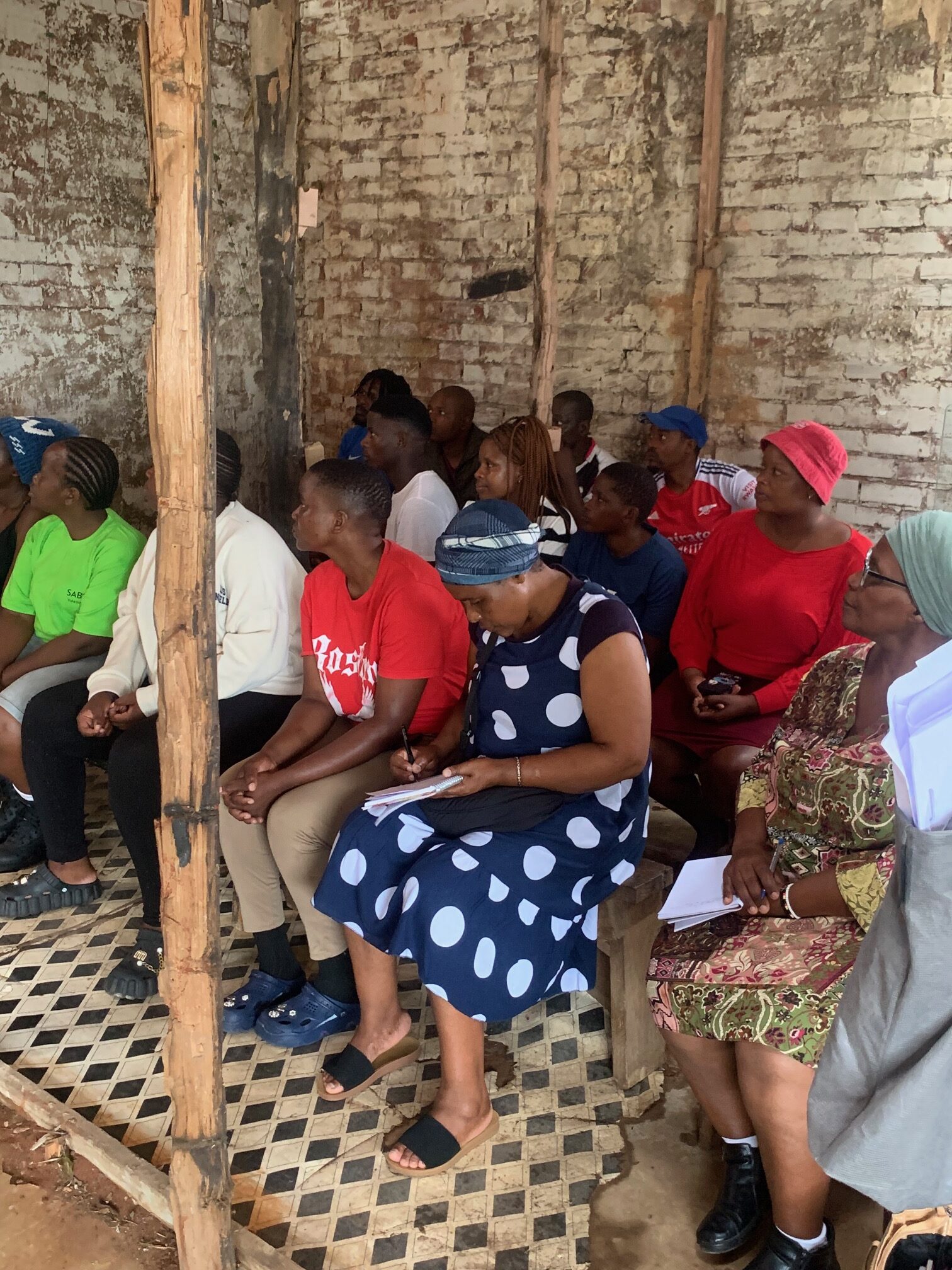
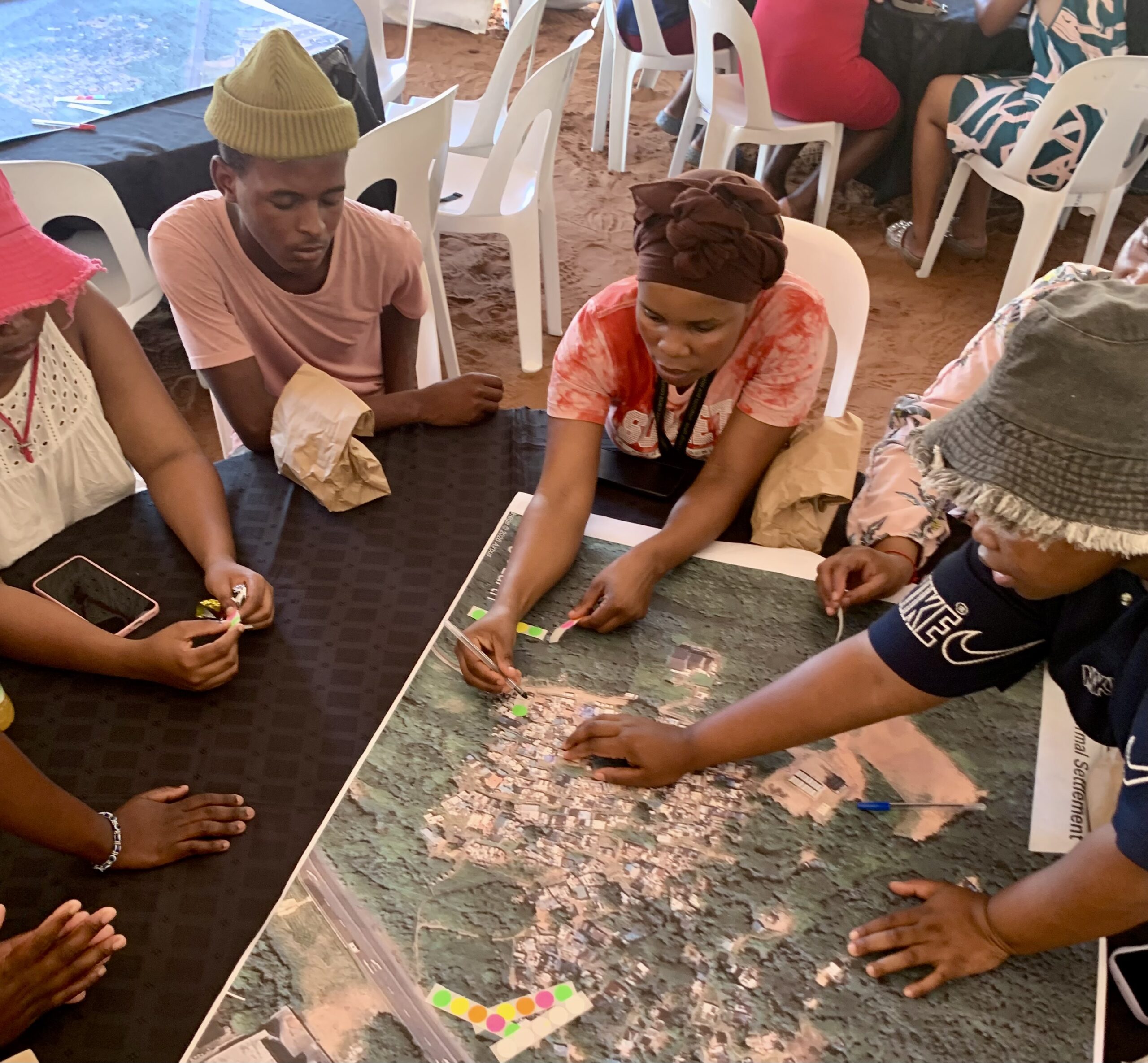
The video was launched during an in-person training session hosted by ICLEI Africa in Durban, South Africa, where over 100 community members from Pholani Informal Settlement gathered to build knowledge and share practical strategies for disaster preparedness.
INACCT Resilience is an action-oriented research initiative focused on two cities deeply affected by climate-related disasters: Durban in South Africa and Beira in Mozambique. Both cities have experienced devastating flooding in recent years, highlighting the urgent need for locally relevant, community-driven solutions that protect lives and livelihoods.
The context for this work is stark. In 2019, Tropical Cyclone Idai struck Beira, displacing approximately 16,000 people, claiming over 600 lives, and leaving much of the city in ruins. Just a few years later in 2022, eThekwini faced severe flooding and landslides following heavy rainfall, resulting in widespread destruction and the displacement of more than 40,000 people. These events underscore the increasing frequency and intensity of climate-related disasters and the critical importance of preparedness at the community level.
Importantly, community-based early warning and preparedness efforts were credited with helping to save an estimated 200–400 lives during the 2022 floods. These efforts have been supported and scaled through the INACCT Resilience project, including three additional settlements across eThekwini. The newly launched video builds directly on these proven approaches, strengthening the ability of communities to act quickly and safely when flood risks arise.
The video translates life-saving knowledge into clear, practical actions that communities can take before, during, and after floods. Available in English, isiZulu, and Portuguese, it has been created to ensure accessibility across diverse communities in Africa and to support knowledge-sharing across multiple cities facing similar risks. The video highlights simple but critical actions that reduce risk and protect lives, from identifying safe shelters and supporting vulnerable neighbours, to safeguarding important documents, maintaining clean drainage systems, and ensuring access to safe water after disasters.
Designed for easy sharing through mobile phones and community networks, the video ensures that life-saving information can reach households quickly, even in areas with limited formal infrastructure.
More than just a resource, the video forms part of broader community-based early warning and preparedness systems that strengthens local leadership, builds trust, and enables faster response when disasters strike. By equipping communities with actionable knowledge and reinforcing the importance of collaboration, the INACCT Resilience project is helping shift disaster response from reactive to proactive – reducing risk before emergencies occur.
This launch is a clear example of what community-driven resilience looks like in practice: practical tools, strong local leadership, and meaningful engagement on the ground. As climate risks continue to escalate across Africa’s rapidly growing cities, scalable tools like this flood preparedness video are becoming essential for protecting lives and livelihoods in the most vulnerable urban areas.
Designed for replication across multiple cities and languages, the INACCT Resilience approach demonstrates how locally grounded solutions can deliver measurable impact where it matters most, at the community level, while strengthening the long-term resilience of communities facing increasing climate risks.
What to do before, during and after a flood
Climate-related disasters are increasing. Here are the short explainer animations (in English, isiZulu and Portuguese) on what informal African settlement communities can do before, during and after floods to protect their families and homes.
INACCT Resilience is funded through the Climate Adaptation and Resilience (CLARE) initiative, a UK-Canada research programme that supports socially inclusive approaches to climate adaptation. The project is implemented by ICLEI Africa, in partnership with the University of KwaZulu-Natal, eThekwini Municipality, Universidade Eduardo Mondlane, and Beira Municipality.
Share on social:
Stay in the loop
Sign up to our newsletter
Sharing impactful, innovative and inclusive action in African cities and regions

 Download the


 Follow a
  See our
  View our